• ABOUT US
    • Royal Canin Academy Digital Library
    • Royal Canin Academy learning platform
    • Royal Canin Campus tour
    • Royal Canin Foundation
    • Royal Canin Career

  • Contact Us
image/svg+xml
HomeVeterinaryLewisburg pet health and nutrition center

Lewisburg pet health and nutrition center

Written by Sally Perea


 The more we know, the more we need to know… Sally Perea showcases the latest addition to Royal Canin’s worldwide network of research facilities, and underlines the company’s commitment to continue the mission to identify the best possible nutrition for our pets.

Share on social media

    • VETERINARY TEAMS
    • VET FOCUS
      • Royal Canin Academy Digital Library
      • Royal Canin Academy learning platform
      • Royal Canin Campus tour
      • Royal Canin Foundation

      • Royal Canin Career
      topnav dogs on couch
    • Any Questions?

      Need help? Visit our Contact Us page or reach us directly.

      • By Email
      • About us
    Reading time5 - 15 min
    Lewisburg pet health and nutrition center

    Delivery of high-quality nutrition to cats and dogs is a multi-step process. The procedure begins with a scientific observation, followed by the development of a research hypothesis, and ultimately to the validation of a new nutritional solution and novel product development. Evaluation of product performance is not only a cornerstone of this development process, it is crucial for ongoing product monitoring and continuous improvement. 
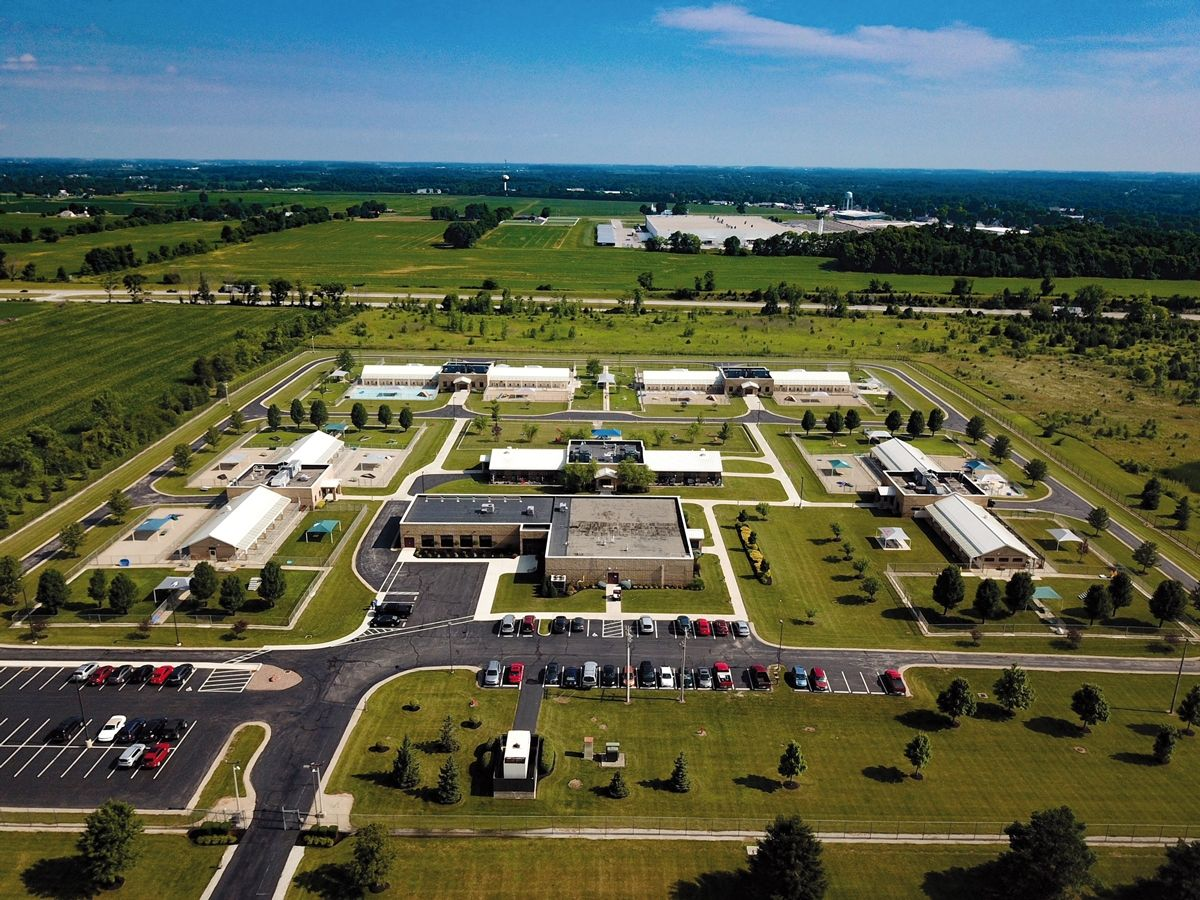
    The rural location of the Lewisburg Center permits plenty of space for dogs to exercise freely.
    Illus 1. The rural location of the Lewisburg Center permits plenty of space for dogs to exercise freely. © Brandon Schneider
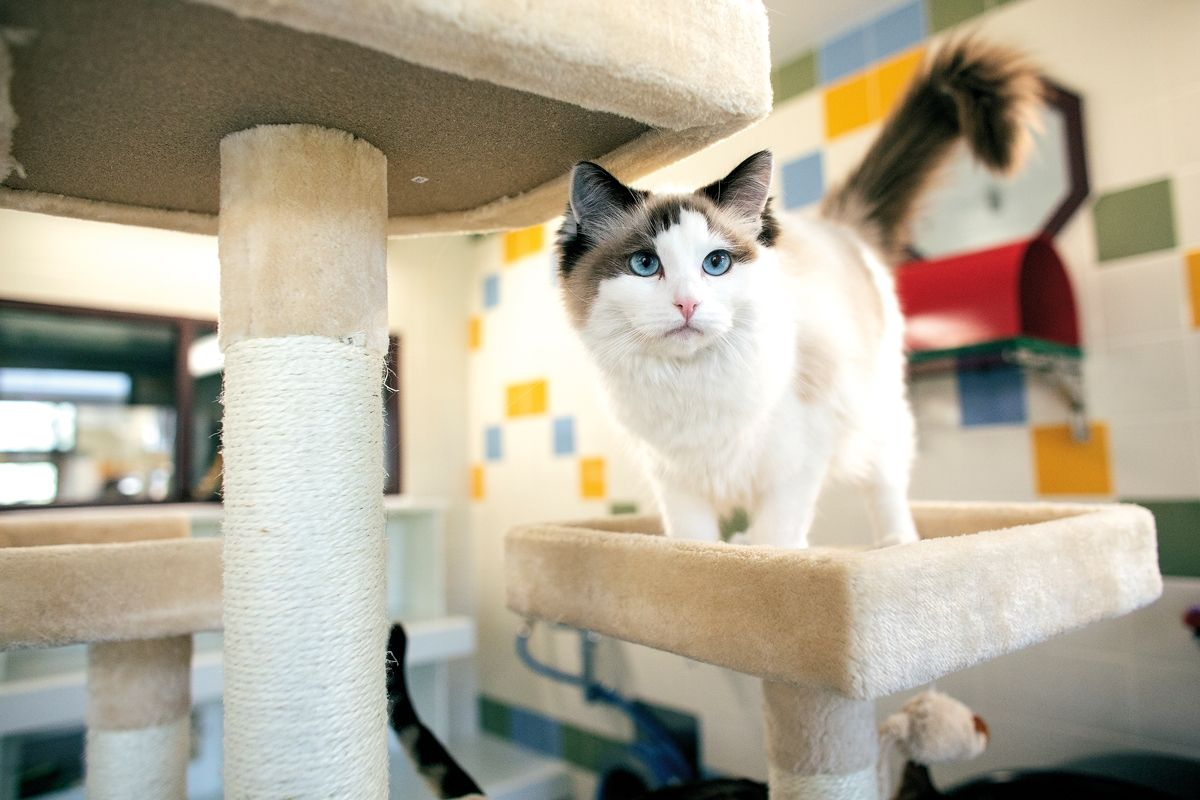
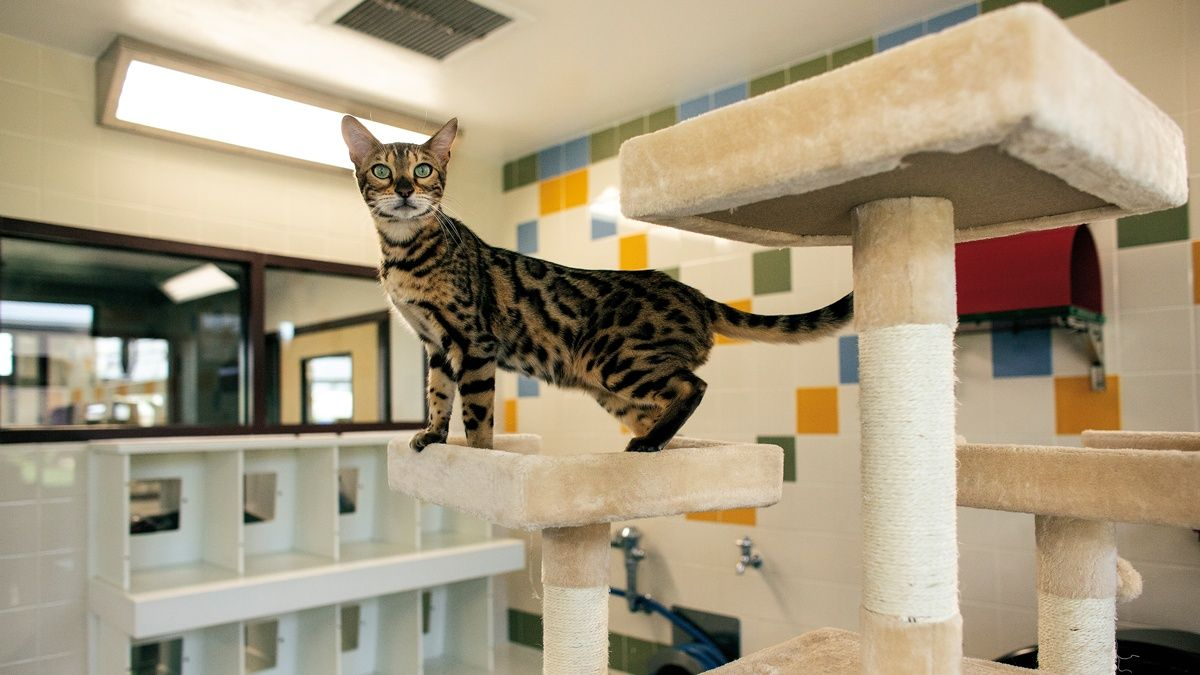
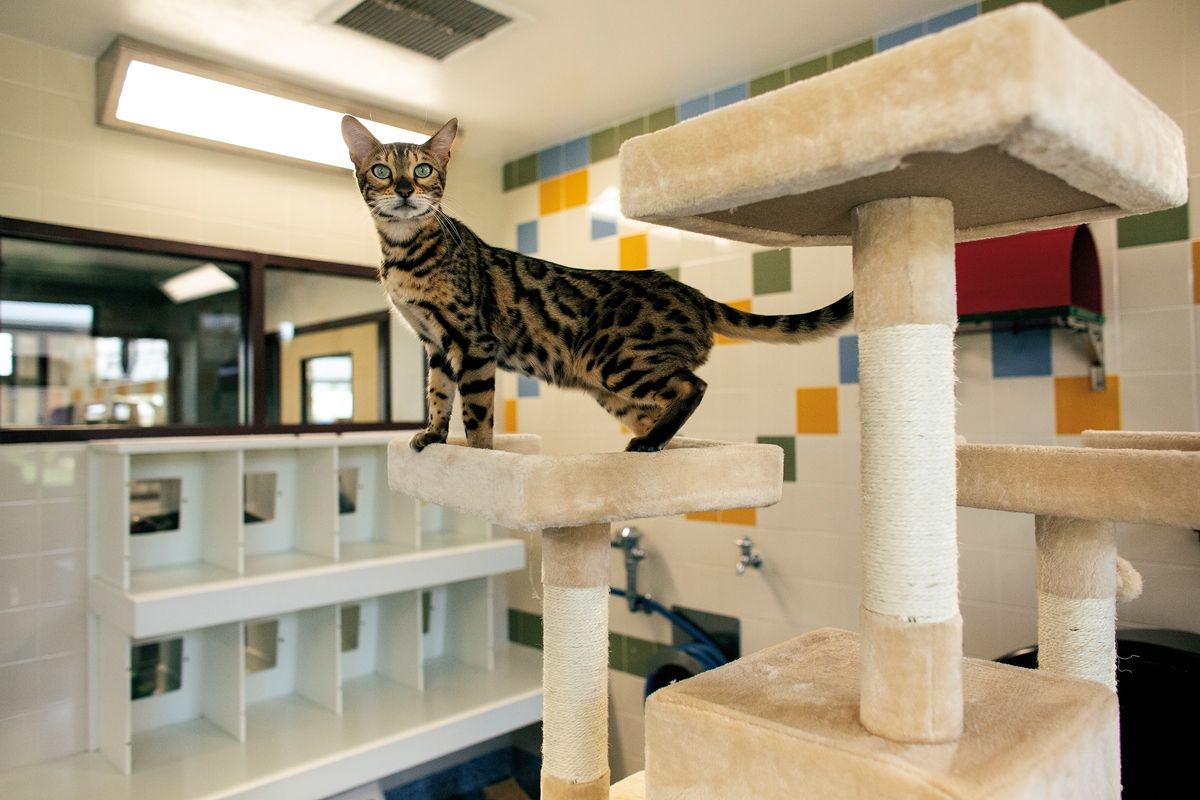
    Cats are housed in large purpose-built rooms designed to offer maximum stimulation and opportunities for recreation and exercise, such as climbing frames.
    Illus 2. Cats are housed in large purpose-built rooms designed to offer maximum stimulation and opportunities for recreation and exercise, such as climbing frames. © Justin Morter

    The Pet Health and Nutrition Center (PHNC), located at Lewisburg, Ohio, was acquired by Royal Canin in 2014 to help expand the company’s research capabilities with the rapidly growing North American market. The PHNC now serves as one of two pet centers within the Royal Canin network, increasing the company’s capacity to respond to research needs and undertake investigation in defined areas of specialty. Both centers evaluate key product performance measures, such as palatability, digestibility, and urinary relative super saturation (RSS). In addition, the PHNC provides focus in specific areas such as skin and coat health, mobility, immunity, and aging. This additional level of expertise helps to enable increased nutritional precision and the development of products tailored to individual pet needs. All the research involves only healthy animals and is non-invasive in nature.
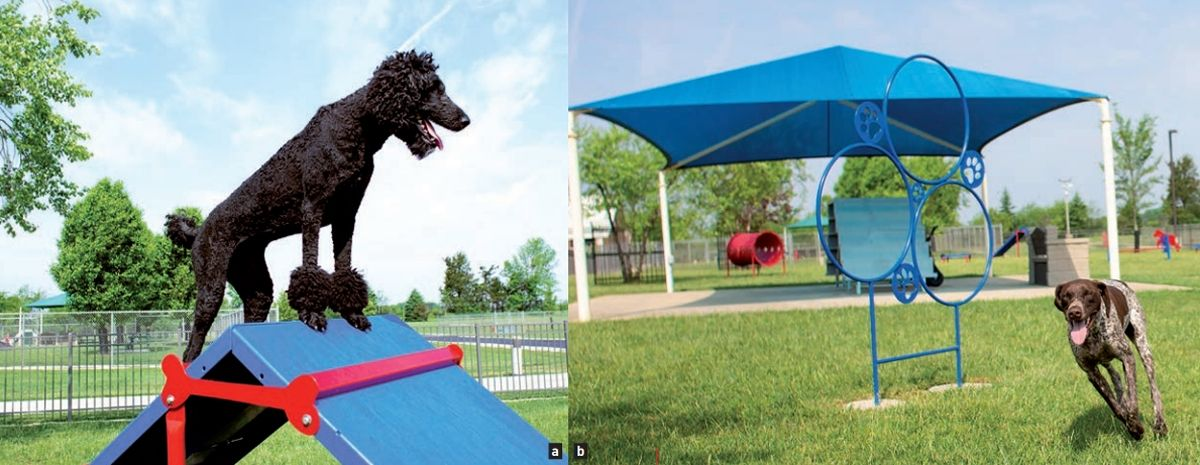
    Standard Poodles (a) and German Shorthair Pointers (b) are two of the breeds at the PHNC that enjoy daily exercise and play at the large outdoor dog park.
    Illus 3. Standard Poodles (a) and German Shorthair Pointers (b) are two of the breeds at the PHNC that enjoy daily exercise and play at the large outdoor dog park. © Justin Morter

    The PHNC associates also bring a valuable depth of knowledge to veterinary and nutritional research worldwide, working together with experts at the Royal Canin campus in Aimargues, France, and the WALTHAM Centre for Pet Nutrition in Melton Mowbray, UK. This expanding collaborative network helps to foster advancements in animal welfare, scientific methods, innovative thinking, and – ultimately – the delivery of high-quality nutrition for cats and dogs.
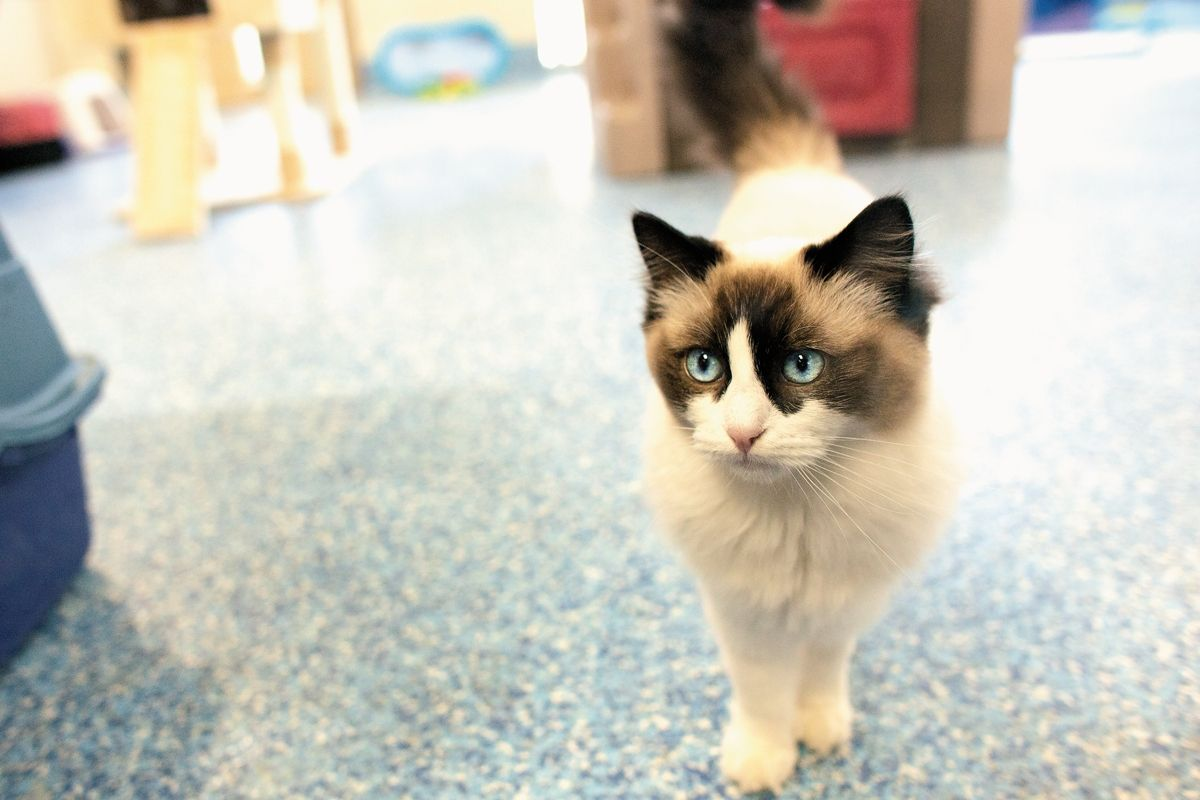
    The Ragdoll is one of the newer cat breeds introduced to the PHNC, enabling Royal Canin to continue to build knowledge on breedspecific nutritional needs.
    Illus 4. The Ragdoll is one of the newer cat breeds introduced to the PHNC, enabling Royal Canin to continue to build knowledge on breedspecific nutritional needs. © Justin Morter
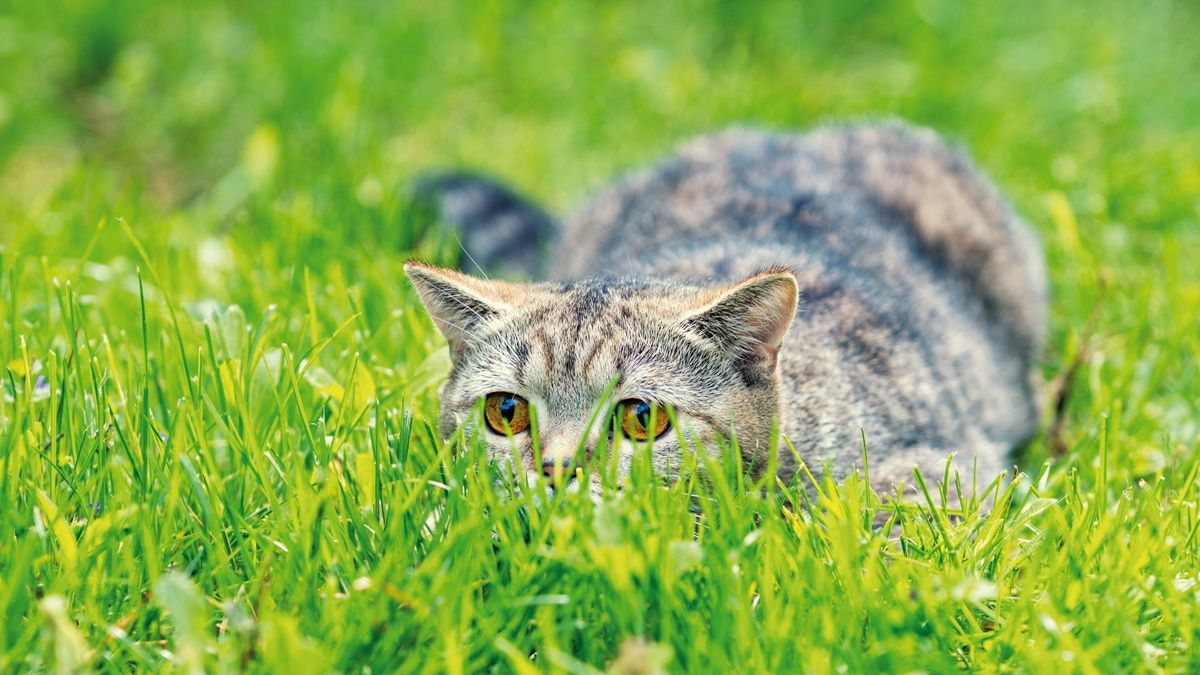
     The Bengal is another unique cat breed, helping to diversify the breed representation at the PHNC.
    Illus 5. The Bengal is another unique cat breed, helping to diversify the breed representation at the PHNC. © Justin Morter


    Evaluation of product performance is key to the success of Royal Canin, both in developing new diets and for ongoing monitoring and improvement of existing products.
    Sally Perea

    Sally Perea

    DVM, MS, Dipl. ACVN

    United States

    Dr. Perea is a Diplomate of the American College of VeterinaryNutrition, having completed her clinical nutrition residency, DVM, andMS at the University of California, Davis (UCD) before serving thereas an Assistant Clinical Professor. She later went on to work withinindustry, and is currently with Royal Canin Research and Development.

    Other articles in this issue

    Breed and diet-based disease in dogs

    Breed and diet-based disease in dogs

    Read article
    The water requirements and drinking habits of cats

    The water requirements and drinking habits of cats

    Read article
    Grain-free diets – good or bad?

    Grain-free diets – good or bad?

    Read article
    Feeding behavior in cats

    Feeding behavior in cats

    Read article
    Vitamin D in Canine Health

    Vitamin D in Canine Health

    Read article
    Dietary considerations for dogs with chronic enteropathies

    Dietary considerations for dogs with chronic enteropathies

    Read article
    Wet pet food: when is it indicated?

    Wet pet food: when is it indicated?

    Read article
    Access the PDF of the issue

    Key Points

    Group 15 1

    The main purpose of the Lewisburg Center is to assess palatability, digestibility and RSS of Royal Canin diets and help improve them.

    Group 15 2

    The Lewisburg center specializes in areas such as skin and coat health, mobility, immunity and aging.