Introduction
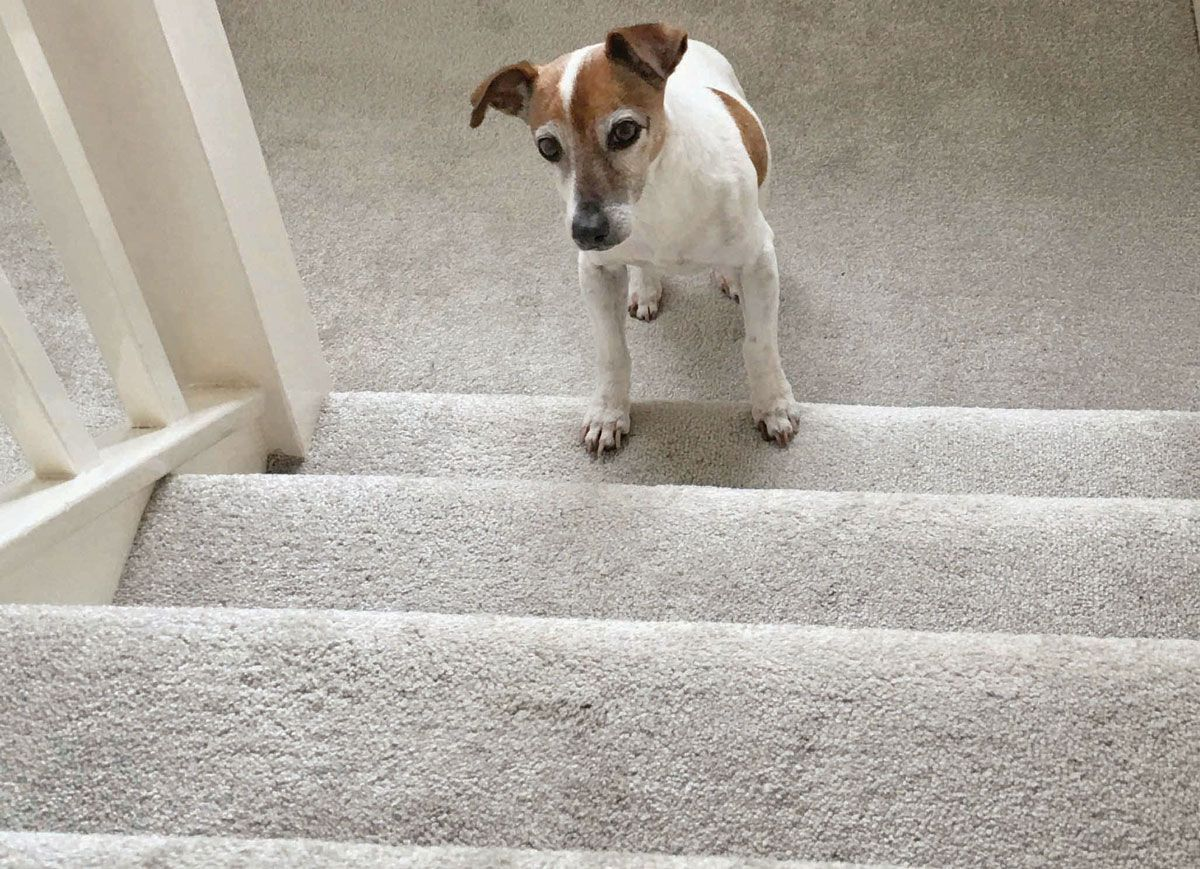
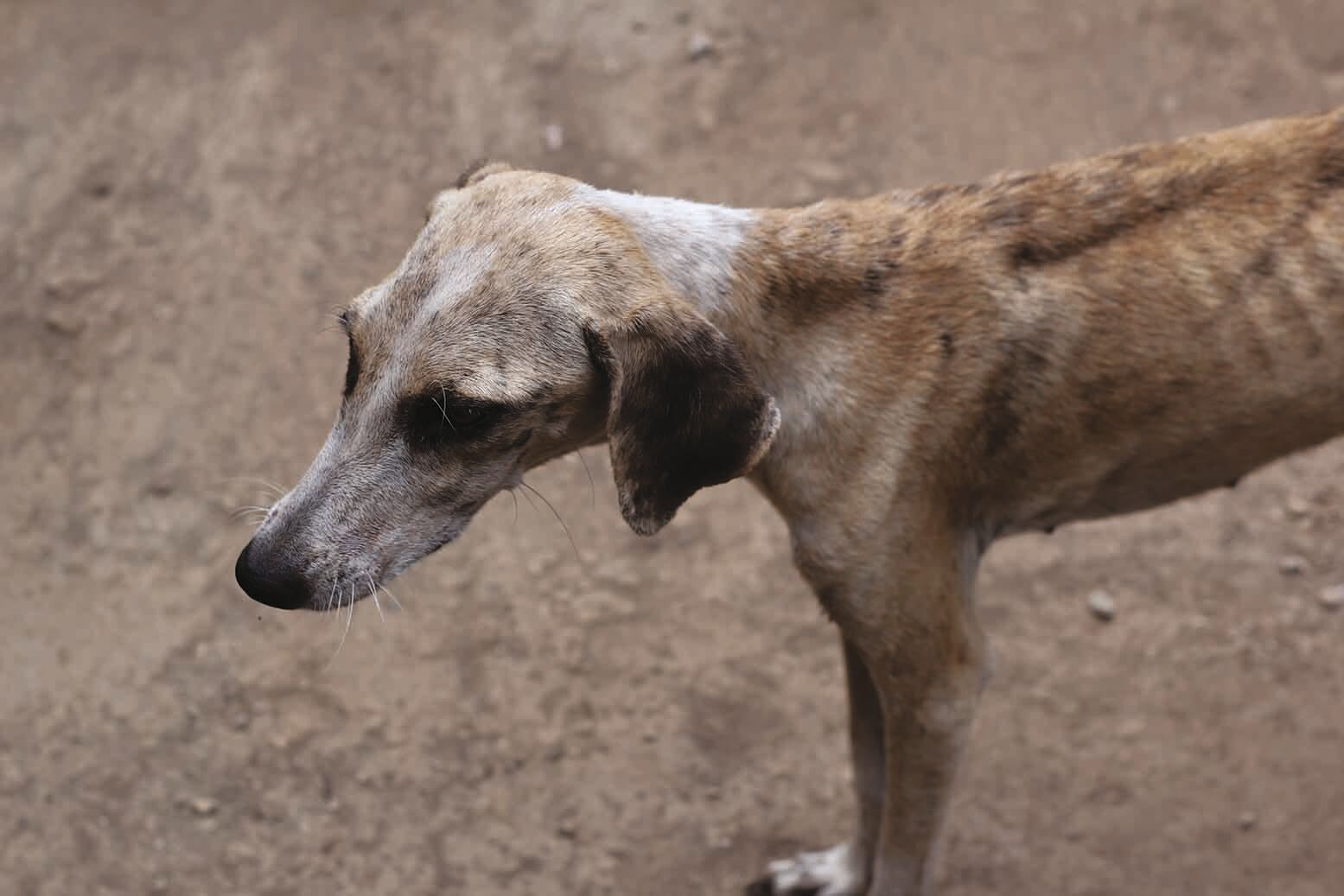
Given that expected lifespan differs considerably across dog breeds, particularly when contrasting between small and large breeds, there is no exact cut-off for “aging”, and distinguishing between the various (arbitrary) age categories or life stages differs for each animal [1]. According to the 2019 AAHA Canine Life Stage Guidelines, a dog is classified as senior (Figure 1) after entering into the last 25% of its estimated lifespan and through to the end of its life [2]. The term geriatric has also been frequently used when referring to some of our more aged patients in veterinary medicine, and is often used interchangeably with senior, but an exact definition for this geriatric subcategory in animals remains to be defined. In human medicine, the term denotes a subpopulation of patients in the senior life stage category, often with multiple medical conditions, and is usually inclusive of senility or dementia [3]. While such differentiation still requires a bit of fine-tuning regarding an exact definition, it does seem logical to differentiate or recognize geriatric animals as being separate from the broader category of senior animals. This is because their requirements (from nutrition to exercise) and general management are different [1].

So if such a classification is essential, how do we work towards better defining this subpopulation? In human gerontology, it has been proposed that a patient needs to exhibit at least three of the following criteria to be classified as geriatric [3]:
- Weakness
- Weight loss
- Slowed mobility
- Fatigue
- Low levels of activities
While such criteria help distinguish geriatric patients from senior ones, there are other terms often used to describe this subpopulation further, whether it be in relation to monitoring and treatment strategies, or perhaps when discussing prognosis. Such terms include frailty, sarcopenia, and anorexia of aging, to mention a few.
How do we assess frailty?
Firstly, what is frailty? A widely accepted definition is a decline in an organism’s physiological reserves, leading to an increased vulnerability to stressors [4],[5]. When it comes to assessing frailty in elderly people, more than 20 methods have either been used or proposed, and either quantitative or qualitative methods can be utilized. The index of frailty is an example of a quantitative method, whereas using the phenotype of frailty adopts a qualitative approach. Given their different methodology, they are considered complementary rather than alternatives to one another.
In people, when using the phenotype of frailty, five components are employed for the assessment [4]:
- Chronic undernutrition (assessed by unintentional weight loss)
- Exhaustion (self-reported)
- Low physical activity level (measured through a weighted score of the number of kilocalories expended per week)
- Poor mobility (assessed as time to walk a distance of 15 feet)
- Weakness (grip strength)
A recent study evaluated a clinical definition (using the above five components) of a frailty phenotype in aged guide dogs [5]. They found that dogs with two or more components were more likely to die during the follow-up period than those with one or no components, and thus concluded that signs of frailty appeared to be a risk factor for death.
What is sarcopenia?
Sarcopenia is defined as a reduction in skeletal muscle mass associated with aging, albeit the underlying mechanisms are multifactorial in nature [6],[7]. It is essential to distinguish between sarcopenia and cachexia, with the latter also involving a reduction in skeletal mass but associated with disease processes such as congestive heart failure (CHF), chronic kidney disease (CKD), various types of cancer, and several other chronic diseases [7]. Various contributory factors have been identified in humans with sarcopenia, and such mechanisms are believed to play a similar role in sarcopenia in dogs. These include physical inactivity, increased cytokine production, decreased concentrations of hormones (growth hormone, testosterone, IGF-1), changes in type II muscle fibers (motor-unit remodeling), insulin resistance, and reduced protein synthesis [7]. Enhanced autophagy has also been identified as one of the factors potentially contributing to muscle atrophy associated with aging in dogs [8].
In humans, the loss of lean body mass associated with sarcopenia has been shown to have significant consequences, such as increased mortality and a negative impact on strength, immune function, and quality of life. This has prompted extensive research into its identification, prevention and treatment strategies [7]. And while sarcopenia is defined as a loss of lean muscle mass associated with aging (in the absence of disease), such loss in humans begins early in life, around 30 years of age, and, likely, a similar earlier onset of loss is also the case in our canine companions [7].
Because sarcopenia is a gradual process, it can often go unnoticed until it becomes significantly pronounced; in addition, a concurrent increase in body fat can mask the presence of sarcopenia, making it difficult to evaluate in such dogs.
How do we assess for sarcopenia in dogs?
Because sarcopenia is a gradual process, it can often go unnoticed until it becomes significantly pronounced; in addition, a concurrent increase in body fat can mask the presence of sarcopenia, making it difficult to evaluate in such dogs [6]. In other words, maintenance of body weight is possible despite considerable loss of lean body mass. While challenging and compounded by other variables, early recognition is crucial to slow further progression by instituting appropriate treatment strategies.
In human medicine, various techniques have been employed to screen for loss of lean body mass, including regional computed tomography (CT), dual-energy x-ray absorptiometry (DEXA), urinary creatinine excretion testing, and whole-body potassium and total body water determination [6]. In particular, CT has been widely utilized to measure the cross-sectional area of thigh muscle in elderly humans to assess for muscle loss [9]. This technique has shown both high precision and accuracy.
In veterinary patients, DEXA has been used to assess changes in body composition associated with aging in dogs [10],[11]. While studies have shown that it is a feasible means of measuring body composition, there are also several limitations when it comes to measuring lean body mass [12]. It is also not widely available, and is especially rare in clinical practices. However, a more recent study assessed several methods of evaluating sarcopenia in old dogs and found that both ultrasonography and CT were realistic options of measuring epaxial muscle area and diagnosing reduced muscle area consistent with sarcopenia [6].
Fasting urinary creatinine to urea nitrogen ratio has been shown to be an indicator of protein catabolism in healthy Beagle dogs fed low-protein diets. This technique might have applications in the early detection of protein catabolism before muscle breakdown occurs, but further studies are required to determine its applicability in sarcopenic patients [13].
How do we treat sarcopenia in dogs?
As the underlying mechanisms for sarcopenia are multifactorial, it is reasonable to assume that treating such a syndrome will rely on a multimodal strategy. Treatment of sarcopenia has historically relied upon a two-fold approach, incorporating nutritional intervention and exercise, with the latter being by far the more effective in facilitating muscle protein synthesis. However, nutritional strategies are both complementary and a necessity [14],[15], and important goals to consider, based on findings in other species (humans, rodents), include those listed in Box 1.
Box 1. Nutritional goals for patients with sarcopenia [7],[16],[17],[18],[19],[20].
|
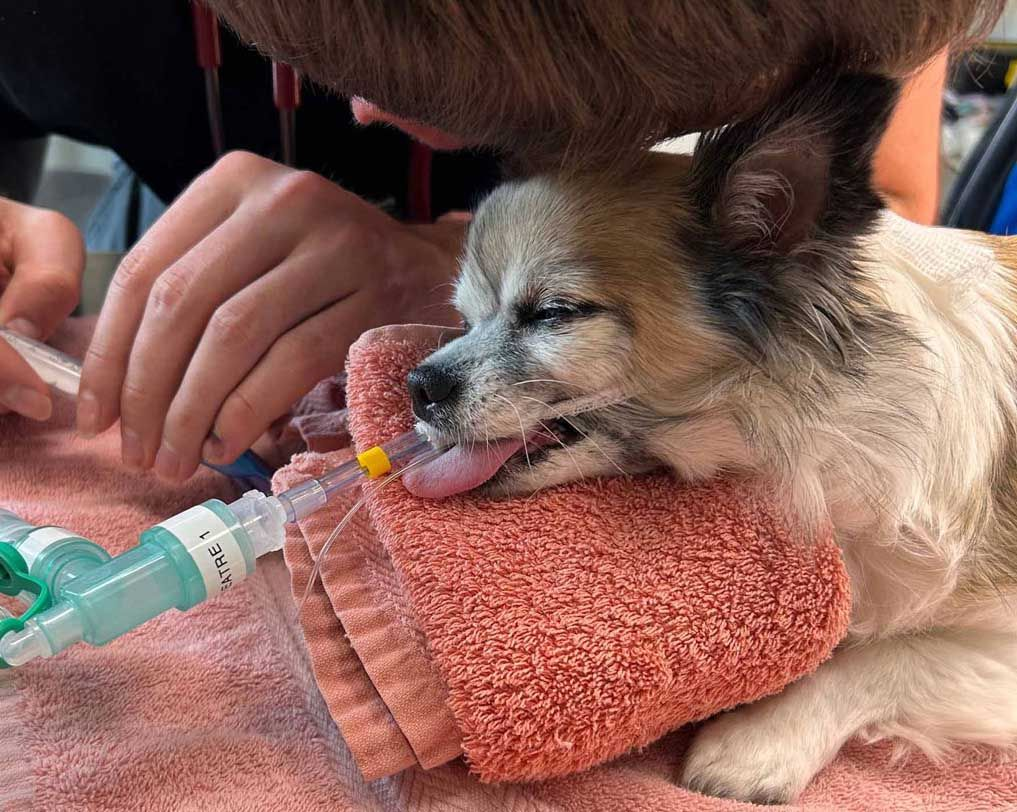
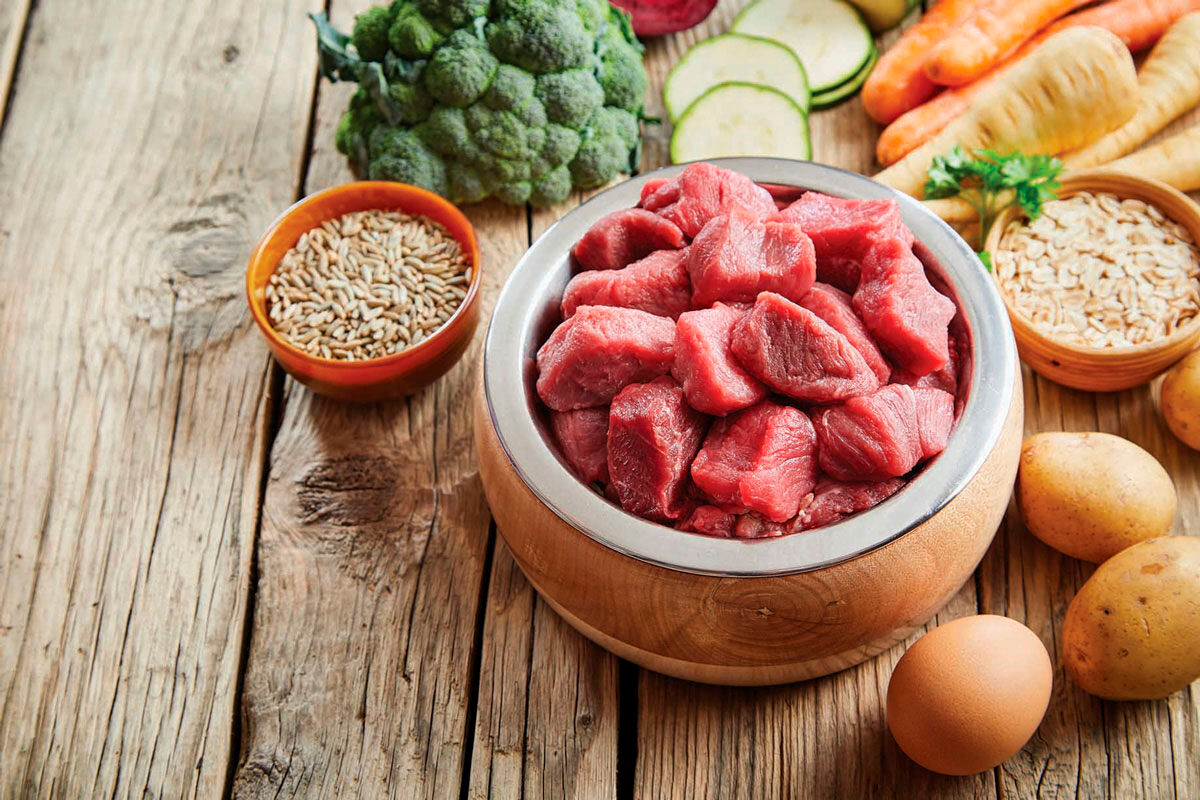
In people with sarcopenia, 25-30 grams of high-quality protein per meal is recommended as part of their management. A 3-year study on elderly men and women demonstrated that high protein intake was associated with 40% less muscle mass loss [16]. Not only is the quality and quantity of the protein essential, but also the distribution of the intake during the day. Recent research has identified further benefits associated with an even distribution of protein intake over the day [17]. In senior dogs, providing at least the AAFCO minimum for protein (5.1 g/100 kcal) for adults is recommended, but higher dietary protein levels may be more beneficial [7]. Due to increased protein turnover and reduced synthesis, protein requirements increase with age, and senior dogs likely require approximately 50% more dietary protein than younger adults. This can be achieved by either feeding a commercially available senior diet or having a home-prepared diet formulated by a board-certified veterinary nutritionist (Figure 2).
Leucine is an essential amino acid that stimulates and initiates muscle protein synthesis, and its supplementation has been shown to restore or normalize muscle protein synthesis in other species (humans, rodents) [18],[19]. It has also been proposed that one of the metabolites of leucine, beta-hydroxy-beta-methylbutyrate, may also be utilized in protecting or even rebuilding muscle mass in older people with reduced lean body mass [20]. It remains to be clarified whether supplementation with either is effective in sarcopenic dogs.
Diets enriched with omega-3 fatty acids and antioxidants may prove helpful in patients with sarcopenia and also benefit common comorbidities such as cognitive decline and osteoarthritis in this subpopulation [17]. Omega-3 fatty acids result in less potent inflammatory mediators (eicosanoids) than omega-6 fatty acids, and also decrease TNF and IL-1 production, although the optimal dosage has yet to be determined. It has been recommended that animals with any degree of cachexia be provided with 40 mg/kg/day of eicosapentaenoic acid and 25 mg/kg/day of docosahexaenoic acid [7]. Fish oil supplements from a reliable supplier are recommended, and they should always contain vitamin E as an antioxidant, but other nutrients should be excluded to avoid toxicities (Figure 3).

Activity and exercise have been associated with various benefits in elderly people, and such effects can likely be transcribed to senior dogs [14]. Potential benefits that have been reported include:
- A higher level of cardiorespiratory and muscular fitness
- Healthier body mass and composition
- Better cognitive function
- Decrease in all-cause mortality
Resistance training is the most effective for improving sarcopenia [14],[15]. This anabolic stimulus has been demonstrated to increase myofibrillar muscle protein synthesis. While such exercise has the most significant potential benefit for patients with sarcopenia, the positive effects are negated without appropriate supportive nutrition. Protein intake is crucial to provide the building blocks for muscle protein synthesis, particularly branched-chain amino acids [15]. In humans, the literature suggests that commencing with resistance training earlier in life may provide superior effectiveness [14], but the optimal age to start with such intervention in our veterinary patients remains to be determined.
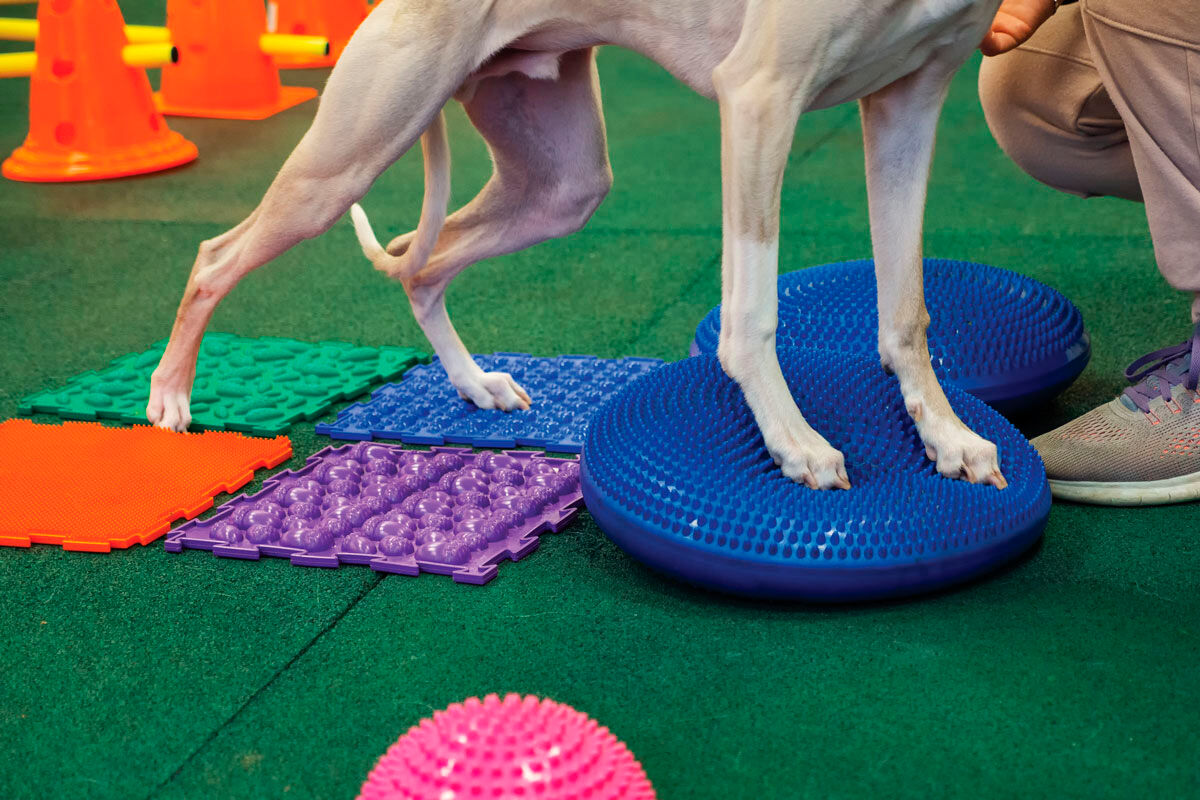
For dogs, gentle, controlled exercise in the form of daily leash walking and therapeutic activities for flexibility and strength (i.e., resistance training) are recommended, using, for example, an underwater treadmill or physical training and rehabilitation tools (Figure 4).
In addition to exercise and nutrition, pharmacotherapy is a continually evolving sphere of treatment for sarcopenia in other species (Table 1). Drugs that target proteostasis and mitochondrial signaling through myostatin (MSTN), renin-angiotensin-aldosterone system (RAAS), and AMP-activated protein kinase (AMPK) pathways have reached various stages of clinical trials in humans [21]. Repurposed hormonal drugs have also emerged as promising therapies for sarcopenia, including those with either growth-promoting or anti-inflammatory effects, such as testosterone, insulin, and ghrelin [21]. Treatment strategies in general aim to reduce energy requirements, enhance energy intake, improve nutrient absorption, and modify metabolic alterations to prevent and even reverse muscle loss [7]. Such pharmacotherapy has yet to make its way into the field of veterinary science, although further research might shed more light and offer potential applications for these purported therapeutic options.
Table 1. Examples of pharmacotherapy agents used in the management of sarcopenia in other species [7],[21].
| Pathway/mechanism | Drug class/example |
|---|---|
| Myostatin (MSTN) pathway | MSTN inhibitors, activin receptor antagonists, follistatin fusion proteins and gene therapy |
| Renin-angiotensin-aldosterone system (RAAS) | Angiotensin-converting enzyme inhibitors, angiotensin II type I receptor antagonists, mineralocorticoid antagonism, mitochondrial assembly receptor agonists |
| AMP-activated protein kinase (AMPK) pathway | Metformin |
| Repurposed hormonal drugs | Testosterone, selective androgen receptor modulators, ghrelin and its mimetics |
| Other/miscellaneous | Nonsteroidal anti-inflammatory drugs, appetite stimulants |
Finally, appetite stimulants (e.g., mirtazapine, cyproheptadine, capromorelin) may benefit some animals. However, if the above measures fail, it is essential to consider feeding tube placement earlier rather than later to avoid end-stage disease with severe debilitation, which would inevitably have a poorer outcome.
What is anorexia of aging?
This is defined as a decreased appetite and food (or energy) intake in old age, and is highly prevalent in humans; it is also considered a predictor of morbidity and mortality [22]. Its prevalence in senior dogs remains to be determined. In humans, consequences associated with anorexia of aging include [22]:
- Malnutrition leading to immune dysfunction, delayed wound healing, and decreased cognitive function
- Frailty and sarcopenia
- Disability and injury, resulting in loss of functionality
- Increased mortality
Client communication regarding anorexia of aging in senior dogs is critical. Owners must be educated on what (subtle) signs to monitor for and report these to their veterinarian. These can range from reduced food intake to changes in food preferences or even a cyclical appetite.
Strategies that can be employed to limit anorexia of aging in senior dogs include [7]:
- Smaller, more frequent meals to increase food intake
- Using flavor enhancers to increase palatability (but this must be tailored to any comorbidities present in the patient)
- Warming food, as temperature can significantly impact food intake
- Changing to a dinner plate (instead of a food bowl) or trial feeding in a different place in the house
Examining the senior dog
When it comes to the assessment of our senior patients, consistency is key. In addition to a thorough physical examination, we should incorporate some of the components of the phenotype of frailty into our monitoring protocol [5]. Further screening tools vary on a case-by-case basis and might include hematology, serum biochemistry, urinalysis, etc.:
- Dental disease; a thorough oral examination (+/- dental radiographs) for dental disease that can impair food intake is important and should not be overlooked.
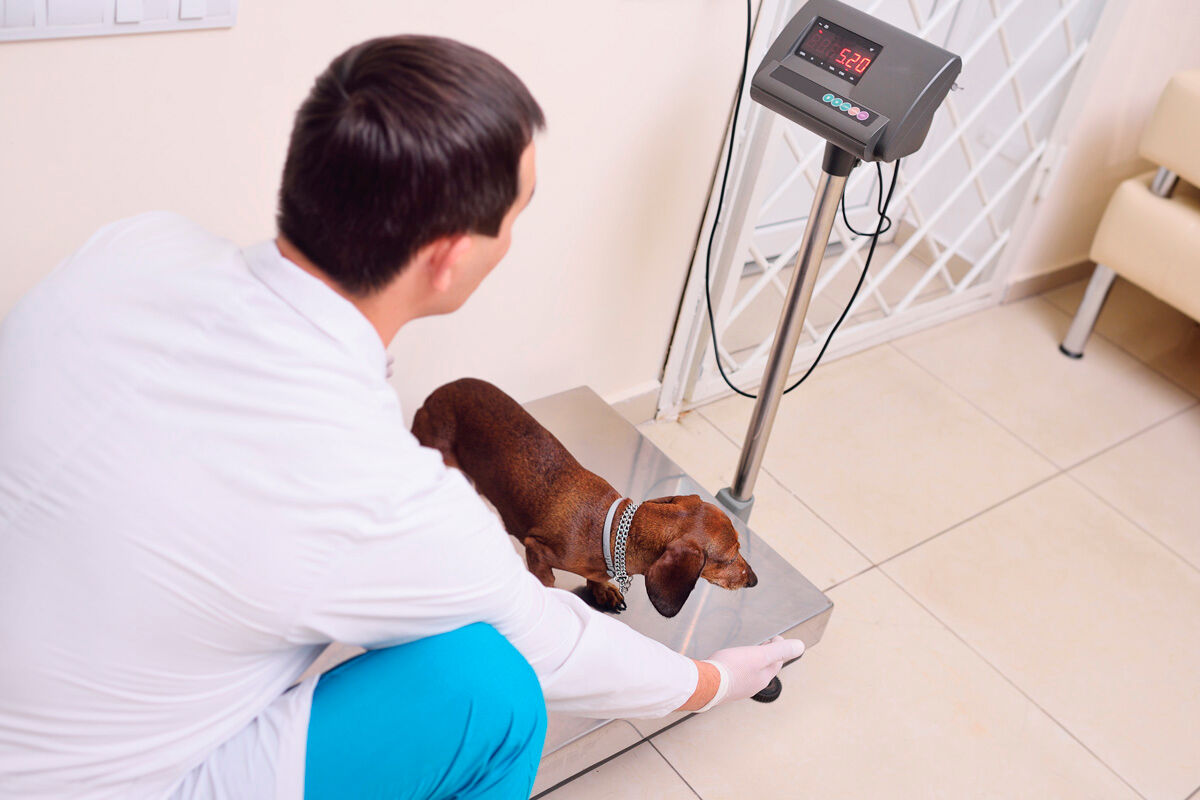
- Chronic undernutrition; this is a critical problem and must be identified as soon as possible. It can manifest as unintentional weight loss (i.e., loss of greater than 5% of body weight) in less than 12 months (Figure 5). Low body condition scores, specifically less than 4/9, may provide another clue. Poor or low body condition scores have been associated with a worse prognosis in dogs with CKD [23]; dogs classified as underweight at diagnosis have a shorter survival time than moderate (BCS 4/9-6/9) and overweight (BCS 7/9-9/9) individuals. Although this relates to cachexia, it may also apply to sarcopenic patients. Dogs with poor appetite or decreased food intake should also raise suspicion for chronic undernutrition. Dietary assessment is also essential, and the clinician should inquire whether clients are feeding deficient diets such as chicken and rice, a diet consisting primarily of treats, or an unbalanced raw diet.
- Low physical activity and poor mobility; things to assess here include identifying an abnormal gait or joint pain, which requires cursory neurological and orthopedic examinations, with further investigation as needed.
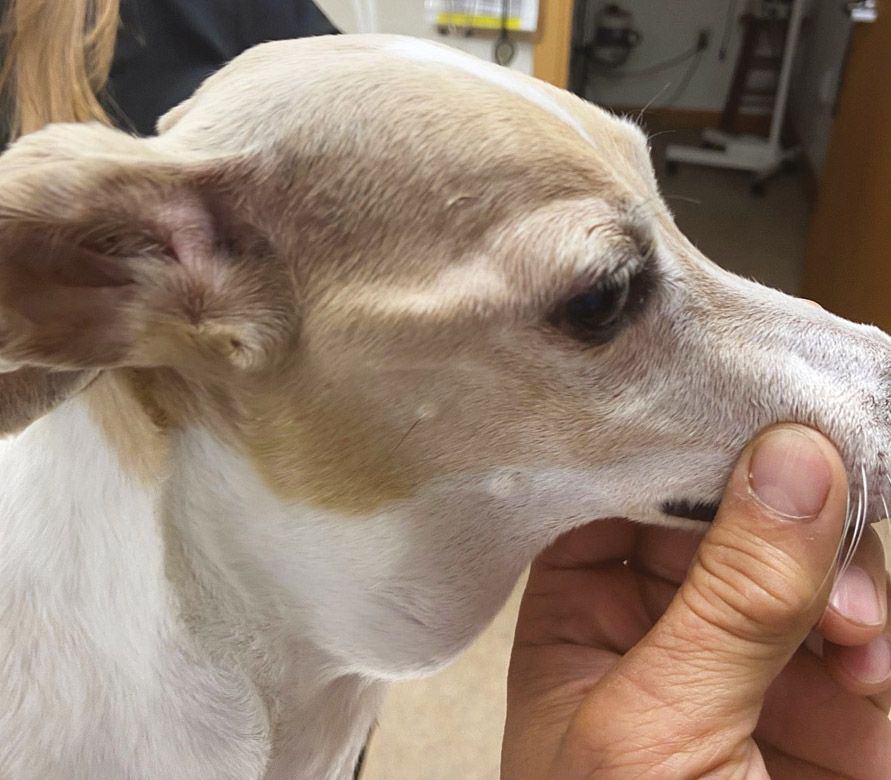
- Loss of muscle mass; assessing lean muscle mass in senior dogs is important by using the WSAVA muscle condition score (MCS) chart. This entails palpating over the spine, scapulae, skull and wings of the ilia (Figure 6). Patients should be graded based on their lean muscle mass; this can be categorized as normal, or as mild/moderate/severe muscle loss. The use of MCS has been shown to have substantial repeatability and moderate reproducibility for assessing muscle mass in dogs [24]. MCS should always be interpreted in conjunction with BCS to (hopefully) avoid missing either considerable muscle loss in dogs that are overweight (BCS 6 or 7/9) or obese (BCS 8 or 9/9), or underweight dogs (i.e., BCS < 4/9) without muscle loss [25].
Conclusion
When managing senior animals, a multimodal approach is required to minimize the consequences of aging and to treat common comorbidities identified in this population. Nutritional support entails feeding small, more frequent meals to meet an animal’s requirements. Often a dietary change is needed (unless contraindicated because of a comorbidity) but the diet must be complete and balanced. In addition, feeding energy-dense, high protein, highly palatable diets, and often ones with a strong aroma, are recommended. If the reduced appetite persists, it is worth considering use of appetite stimulants. In patients where there is a more significant concern for reduced intake, and pharmacotherapy has failed to improve appetite, placement of a feeding tube can be beneficial. Other facets of managing senior animals include increasing controlled activity and exercise. Careful monitoring of body weight, BCS, MCS, and caloric intake is just as important as any of the above changes or therapies.
References
- Dhaliwal R, Boynton E, Carrera-Justiz S, et al. 2023 AAHA Senior Care Guidelines for Dogs and Cats. J. Am. Anim. Hosp. Assoc. 2023;59(1):1-21.
- Kealy RD, Lawler DF, Ballam JM, et al. Effects of diet restriction on life span and age-related changes in dogs. J. Am. Vet. Med. Assoc. 2002;220(9):1315-1320.
- Harper EJ. Changing perspectives on aging and energy requirements: aging, body weight and body composition in humans, dogs and cats. J. Nutr. 1998;128(12 Suppl): 2627S-2631S.
- Freeman LM, Kehayias JJ, Roubenoff R. Use of dual-energy x-ray absorptiometry (DEXA) to measure lean body mass, body fat, and bone mineral content (BMC) in dogs and cats. J. Vet. Intern. Med. 1996;10(2):99-100.
- Yamamoto S, Ohta Y, Hasegawa E, et al. Usefulness of urinary creatinine/urea nitrogen ratio as indicator of body protein catabolism in dogs fed low protein diets. Front. Vet. Sci. 2019;6:449.
- Peterson MD, Sen A, Gordon PM. Influence of resistance exercise on lean body mass in aging adults: a meta-analysis. Med. Sci. Sports Exerc. 2011;43(2):249-258.
- McKendry J, Currier BS, Lim C, et al. Nutritional supplements to support resistance exercise in countering the sarcopenia of aging. Nutrient 2020;12(7):2057.
- Houston DK, Nicklas BJ, Ding J, et al. Dietary protein intake is associated with lean mass change in older, community-dwelling adults: the Health, Aging, and Body Composition (Health ABC) Study. Am. J. Clin. Nutr. 2008;87(1):150-155.
- Tessier AJ, Chevalier S. An update on protein, leucine, omega-3 fatty acids, and vitamin D in the prevention and treatment of sarcopenia and functional decline. Nutrient 2018;10(8):1099.
- Guo Y, Fu X, Hu Q, et al. The effect of leucine supplementation on sarcopenia-related measures in older adults: a systematic review and meta-analysis of 17 randomized controlled trials. Front. Nutr. 2022;9:929891.
- Chang MC, Choo YJ. Effects of whey protein, leucine, and vitamin D supplementation in patients with sarcopenia: a systematic review and meta-analysis. Nutrient 2023;15(3):521.
- Creevy KE, Grady J, Little SE, et al. 2019 AAHA Canine Life Stage Guidelines. J. Am. Anim. Hosp. Assoc. 2019;55(6):267-290.
- Landi F, Calvani R, Picca A, et al. Beta-hydroxy-beta-methylbutyrate and sarcopenia: from biological plausibility to clinical evidence. Curr. Opin. Clin. Nutr. Metab. Care. 2019;22(1):37-43.
- Feike Y, Zhijie L, Wei C. Advances in research on pharmacotherapy of sarcopenia. Aging Med. (Milton). 2021;4(3):221-233.
- Picca A, Calvani R, Coelho-Jnior HJ, et al. Anorexia of aging: metabolic changes and biomarker discovery. Clin. Interv. Aging. 2022:17:1761-1767.
- Parker VJ, Freeman LM. Association between body condition and survival in dogs with acquired chronic kidney disease. J. Vet. Intern. Med. 2011;25(6):1306-1311.
- Freeman LM, Michel KE, Zanghi BM, et al. Evaluation of the use of muscle condition score and ultrasonographic measurements for assessment of muscle mass in dogs. Am. J. Vet. Res. 2019;80(6):595-600.
- Freeman L, Becvarova I, Cave N, et al. WSAVA Nutritional Assessment Guidelines. J. Small Anim. Pract. 2011;52(7):385-396.
- Gardner M, Glass S. Geriatrics and Fragility. In: Gardner M, McVety D (eds.) Treatment and Care of the Geriatric Veterinary Patient. 1st ed. Hoboken: John Wiley Sons, Inc, 2017;11-19.
- Fried LP, Tangen CM, Walston J, et al. Frailty in older adults: Evidence for a phenotype. J. Gerontol. A. Biol. Sci. Med. Sci. 2001;56(3):M146-M156.
- Hua J, Hoummady S, Muller C, et al. Assessment of frailty in aged dogs. Am. J. Vet. Res. 2016;77(12):1357-1365.
- Hutchinson D, Sutherland-Smith J, Watson AL. Assessment of methods of evaluating sarcopenia in old dogs. Am. J. Vet. Res. 2012;73(11):1794-1800.
- Freeman LM. Cachexia and Sarcopenia: emerging syndromes of importance in dogs and cats. J. Vet. Intern. Med. 2012;26(1):3-17.
- Pagano TB, Wojcik S, Costagliola A, et al. Age-related skeletal muscle atrophy and upregulation of autophagy in dogs. Vet. J. 2015;206(1):54-60.
- Rice CL, Cunningham DA, Paterson DH, et al. Arm and leg composition determined by computed tomography in young and elderly men. Clin. Physiol. 1989;9(3):207-220.

Matthew A. Kopke
BSc, BVSc (Hons), Dip. ACVIM (SAIM), Veterinary Nutrition Group, Sydney, Australia
Dr. Kopke obtained his undergraduate, veterinary, and honors degrees from the University of Pretoria, South Africa before undertaking a small animal internal medicine residency at Massey University, New Zealand. After completing his residency, he joined Veterinary Nutrition Group to offer remote consultancy in internal medicine and nutrition, and became a Diplomate of the American College of Veterinary Internal Medicine in Small Animal Internal Medicine. He also works part-time as a clinical internal medicine specialist.