Neuroscience and communication
Have you ever stopped to think about how we make decisions?
Did you know that we can scan our environment up to five times per second looking for signals that answer the question “Is this safe or dangerous?”.
Evolution has transformed us into walking scanners, alert to any threat that hinders us from transmitting our DNA to future generations and to anything that could help us.
We have inherited our brain from those who survived, a brain focused on survival. When we perceive something that we don’t like, our fight or flight signals light up. For instance, a scowl is enough for us to not want to work with someone, and a smile is enough to feel affinity towards someone.
The chemistry of communication
When we feel comfortable and secure with another person our brain is releasing neurotransmitters called dopamine, oxytocin and serotonin, among other chemicals [1].
- Oxytocin produces the feeling of feeling safe with others,
- Dopamine is the joy of “Hurrah, I did it!”,
- Serotonin produces the feeling of being respected.
How does our brain work?
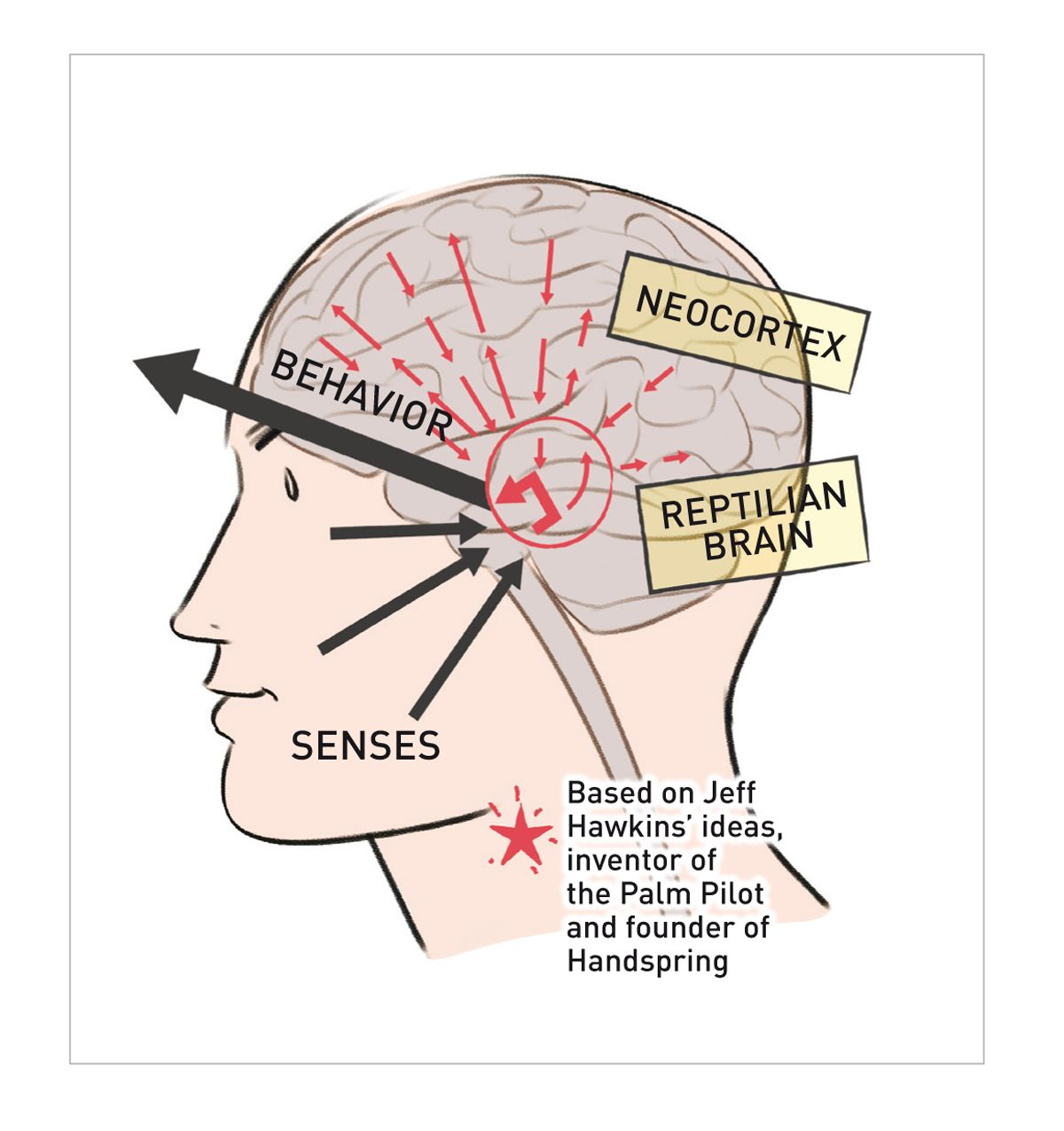
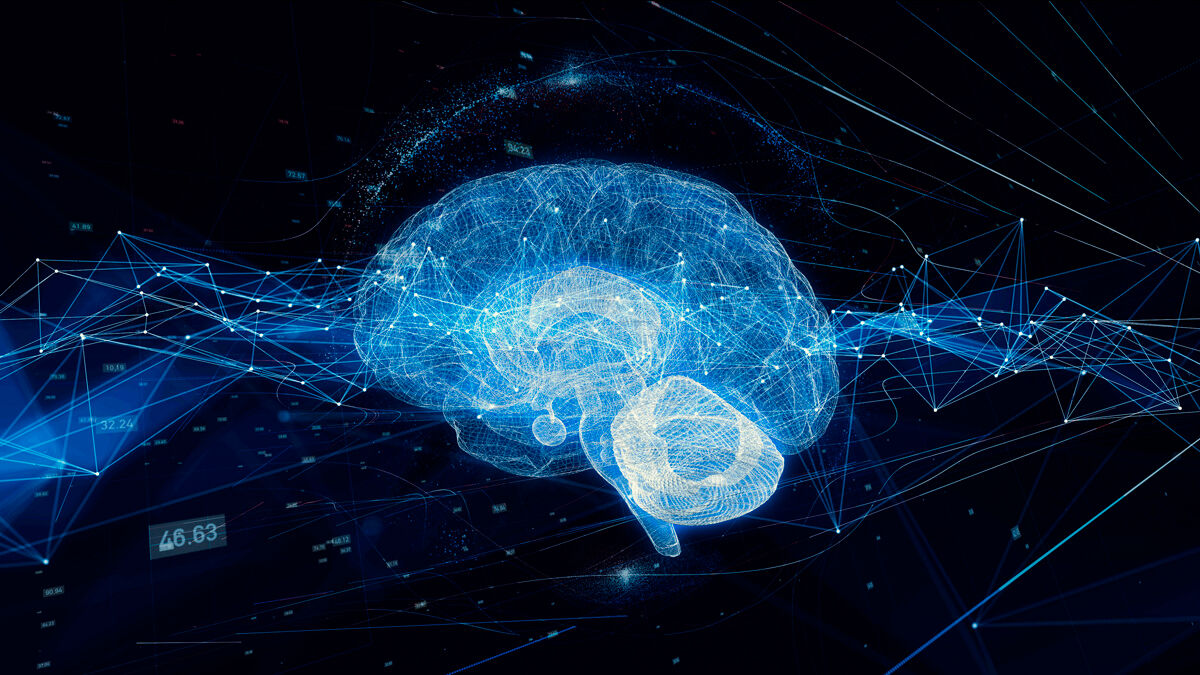
Dopamine, oxytocin and serotonin are controlled by something that all mammals have, the Limbic System (LS). It includes structures that are essential for communicating with our environment: the hypothalamus (specialized in coordinating our basic impulses and motivation), the hippocampus (specialized in memory) and the amygdala (specialized in emotional learning and responding quickly to stimuli) (Figure 1). The LS is surrounded by a large cerebral cortex (C) which houses logical and rational thought.
Our LS automatically responds to certain stimuli (a smile, a look of disapproval, a bad smell, a dog showing its fangs, a cat with its ears back and hair on end, etc.). There is an area of the cerebral cortex called the prefrontal cortex (PFC) which processes the feelings generated from a stimulus and decides whether to move closer or to flee. To bring our communication with our clients to another level, we must understand that the LS and the PFC work together. Although the PFC can generate alternatives to an immediate response from the LS, it is much less able to do so than we think [1]. In other words, we are much more prisoners of our own instinctive impulses than we believe ourselves to be [1].
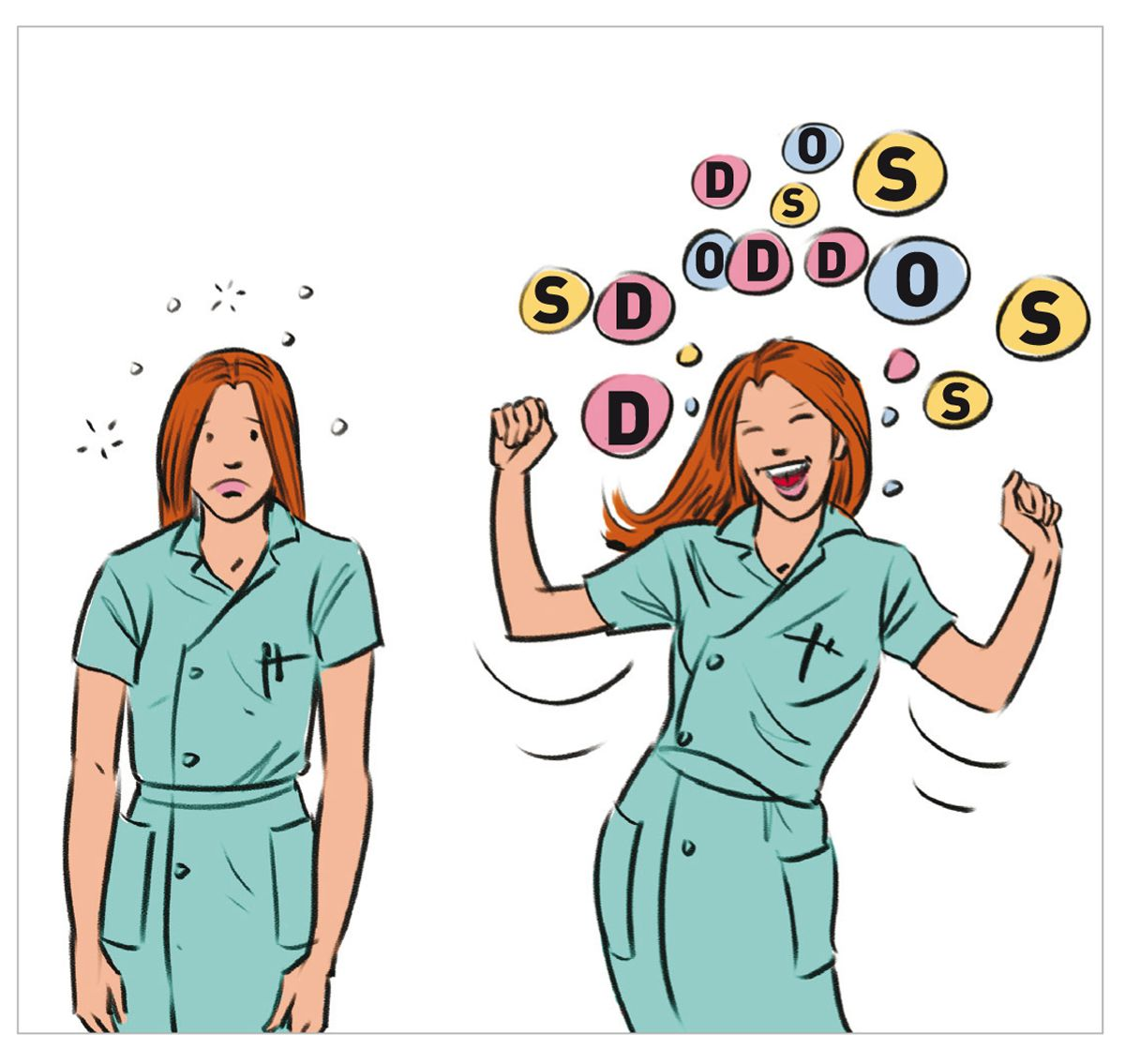
The key to improving communication with our clients consists not only in appealing to their rational state, but also in appealing to their emotions. If we can get their brains to receive doses of dopamine, oxytocin and serotonin during our interactions with them, our communication will get off on the right foot (Figure 2).
How can we make sure we get off on the right foot?
The release of oxytocin is stimulated if we make them feel wanted, accepted and trusted.
Examples:
- A firm handshake.
- A light touch on the shoulder to congratulate them on something.
- Touching their pet and making eye contact when we talk to them.
- When we honor our commitments, when we make good on our word, when there is consistency between what we say and what we do.
This need to connect applies to clients, vet practitioners and rest of staff. As a rule of thumb treat everyone as you would like to be treated.
This need to feel wanted, accepted and trusted applies for all of us, not only for our clients.
We stimulate the release of dopamine when our clients feel rewarded or prized as a result of their relationship with us.
For instance:
- when we congratulate them for their dog’s earache getting better,
- for the healthy growth of their puppy,
- for how they are handling their cat better.
When a client is aware of having made progress, they will be happy.
We as vet practitioners also need our dopamine shots and get them, for example, from:
- setting goals towards a desired outcome,
- working with a clear goal in mind,
- meeting a deadline or achieving a goal.
When we make a client feel special, we are stimulating the release of serotonin. It happens the same when our clients or our teammates make us feel unique. Our primitive brain is always looking to compare itself with others to see who is in charge and what our status is. It is very tempting to think that this does not affect us, but think about how you feel when somebody very important greets you or when someone ignores you. We feel bad when we are made to see that we are not as special as we thought.
Do you want to make your clients’ or co-workers LS release serotonin?
- Treat them very respectfully.
- Let them know how honored you are that they have chosen your clinic.
- Praise your employees when they deserve it and do it in public.
Without emotions, there can be no decisions
Communication with our clients must properly address the emotional aspects. Our rationality can only work when our emotional side is taken care of and both are in line with each other [2]. Understanding, doting on and satisfying the emotions of our clients must form the basis of our communication with them.
Neuroscience applied to the veterinary clinic
Below are two examples of how being careful with emotions can establish a good base for communication.
A low-profile experience…
| Client | “Good morning” looking at the counter where there is a receptionist on the phone who doesn’t answer and seems to not be paying attention. |
| Receptionist |
… after several minutes on the phone, hangs up. She seems stressed.
“Do you have an appointment?”
|
| Client | “Yes, of course. It’s the third time I’ve been in with Toby.” |
| Receptionist | “Please take a seat, the doctor will see you as soon as he's done with his current appointment.” |
| Client |
“Ok, thank you.”
She takes a seat, visibly in a much worse mood than when she came in.
|
| Veterinarian | “Next?!” the vet practitioner asks loudly without seeming sorry about having made his client wait for 25 minutes. |
| Client | Goes toward the office, but her emotional state is very reactive. |
A better experience…
| Client | “Good morning” looking at the counter where there is a receptionist on the phone who immediately smiles at her, making a gesture of apology as if to say she will be right with her. |
| Receptionist |
“Oh, Mrs. Sánchez. Good morning. Sorry, I was answering a call just when you came in. I'm happy to see you. How is Toby doing?”
She had taken the time to look at the appointments and knows the names of clients and patients.
|
| Client | “Not great, he’s having a hard time getting over this earache. Today is our third visit.” |
| Receptionist | “Well, I hope he gets better soon. Please take a seat. The doctor will be happy to know that you’re here, making a gesture to include Toby and his owner. I see that Toby is panting, do you want me to bring him some water?” |
| Client | “Oh, no, that’s not necessary, thank you very much. We were walking quickly on the way here and he’s a bit tired. We’re happy to wait here.” |
| Veterinarian | “I'm happy to see you Mrs. Sanchez. I'm so sorry to have made you wait. I hope it wasn’t a huge bother. Toby, are you ready to go in? He asks with a smile while carefully petting Toby.” |
| Client | “Toby is never ready to go in, even though you’re always so good with him. She says this with a laugh while following the veterinarian into the office…” |
(We have put gestures and comments that trigger Mrs. Sanchez’s LS to release oxytocin, dopamine and serotonin in red)
References
- Graziano L. Habits of a happy brain. 2016 Adams media.
- Haidt J. The Happiness Hypothesis, 2006 Basic Books.

Miguel Ángel Díaz
DVM
Miguel received a degree in Veterinary Science in 1990. After working at several clinics he opened his own clinic in 1992 which grew from a two-person office to a 24/7 hospital with 17 employees. After running his hospital for 25 years, he handed it over to his team in 2017 in order to concentrate exclusively on his great passion: coaching.
Miguel is the director of the company New Way Coaching, aimed at helping veterinarians become better leaders. He has been educating and training veterinarians in Europe, Latin America, and Asia since 2009 in leadership, motivational techniques, effective communication, handling objections, conflict resolution, influence and persuasion. He spends his days giving individual coaching sessions, private training for his clients’ teams, and workshops and conferences for major veterinary sector companies.
Miguel is an International Coach Certified by the International Coaching Community and the Center for Executive Coaching (USA). He is a Certified Trainer for Edward de Bono’s Six Thinking Hats.
He has been an international speaker at conferences in over 10 countries on three continents. He is the author of the book “7 Keys to Successfully Running a Veterinary Practice”, which has been translated into English, Polish, Chinese and Italian.

Iván López Vásquez
DVM
Iván comes from a family of veterinarians; his father and older brother share the same passion. He obtained his degree from the Universidad de Concepción in 1991, worked a few years at a small clinic and then shifted his career towards sales and marketing, holding several positions at multinational companies in the domestic pet market in his native country.
Since 2008 he has been the executive director of Vetcoach, a business and organizational consulting company that specializes in the pet veterinary sector in Latin America, where his vision is to create “a new standard for the veterinary world”.
Iván has studied marketing, innovation, coaching and positive psychology. Today he is a strategic business consultant in organizational development and innovation, an ORA Coach (Organizational Role Analysis), creator of initiatives to improve the well-being (happiness) of veterinary students and qualified veterinarians, as well as high-value training programs for veterinary companies and their teams on subjects such as management, wellbeing, communication skills and positive leadership.
Iván has written several management articles for veterinary journals and is an international conference speaker in Latin America.
Cindy Adams
MSW, PhD
Cindy Adams is Professor in the Department of Veterinary Clinical and Diagnostic Sciences at the University of Calgary, Veterinary Medicine, where she developed and implemented the Clinical Communication Program in Calgary’s new veterinary school. She honed her professional understanding of human-animal relationships serving from 1980-1992 as a social worker in child welfare, women’s shelters and the justice system. Animals were frequently involved in that work. Combining the very different perspectives gained from her experiences in social work and a doctorate in veterinary epidemiology, she became a faculty member at the Ontario Veterinary College, University of Guelph (1996-2006). There she designed and directed the first veterinary communication curriculum in North America and pioneered a research program regarding communication in veterinary medicine.
She helped initiate the Institute for Healthcare Communication, Bayer veterinary communication project. Her research has focused on communication education, veterinary-client communication in large and small animal contexts, animal welfare, companion animal death and human grief. Founder of the International Conference on Communication in Veterinary Medicine, co-author of Skills for Communicating in Veterinary Medicine she has presented widely and advised veterinarians, veterinary practice teams and veterinary educators throughout North America, Europe, Australia and the Caribbean.

Antje Blättner
DVM
Dr. Blaettner grew up in South Africa and Germany and graduated in 1988 after studying Veterinary Medicine in Berlin and Munich. She started and ran her own small animal practice before undertaking postgraduate training and coaching course at the University of Linz, Austria and then founded “Vetkom”. The company provides training to veterinarians and veterinary nurses in practice management in subjects such as customer communication, marketing and other management topics. Dr. Blaettner also is editor for two professional journals, “Teamkonkret” (for veterinary nurses) and “Veterinärspiegel” (for veterinarians).