Introduction
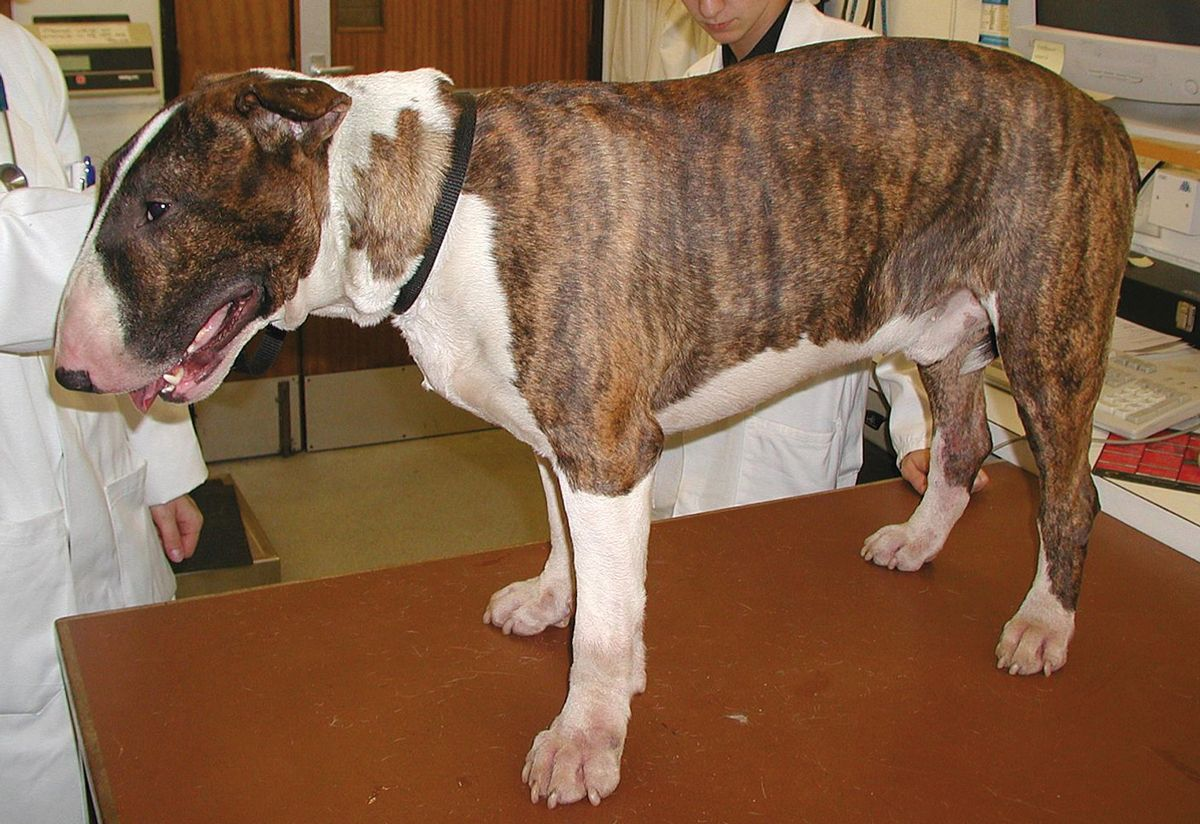
Treatment of canine atopic dermatitis (AD) involves two phases. The initial control of the inflammation and pruritus must be followed by ongoing proactive management to maintain remission and prevent chronic changes. Anti-inflammatory and anti-pruritic options with good evidence of high efficacy include topical and systemic glucorticoids, ciclosporin, oclacitinib and lokivetmab, and clinical judgement is required to select the optimal treatment for each dog (Figure 1).
Topical and systemic glucocorticoids have potent, broad-spectrum and rapid activity against most cells, tissues and mediators involved in inflammation, and are ideal for initial control of inflammation and pruritus. It is generally safe to use short- and long-term topical steroids, particularly with the more reliable and well-tolerated products (e.g., hydrocortisone aceponate) and/or local treatment of the eyes, ears and feet. There is a greater risk of adverse effects with long-term systemic treatment.
Ciclosporin mainly targets lymphocytes; it therefore has potent and broad-spectrum anti-inflammatory activity, but resolution of lesions and pruritus will be slower than with other agents. More rapid remission can be achieved by initially combing ciclosporin with glucocorticoids, oclacitinib or lokivetmab. However, long-term combination treatment with broad-spectrum anti-inflammatory drugs should be avoided because of the risk of immunosuppression.
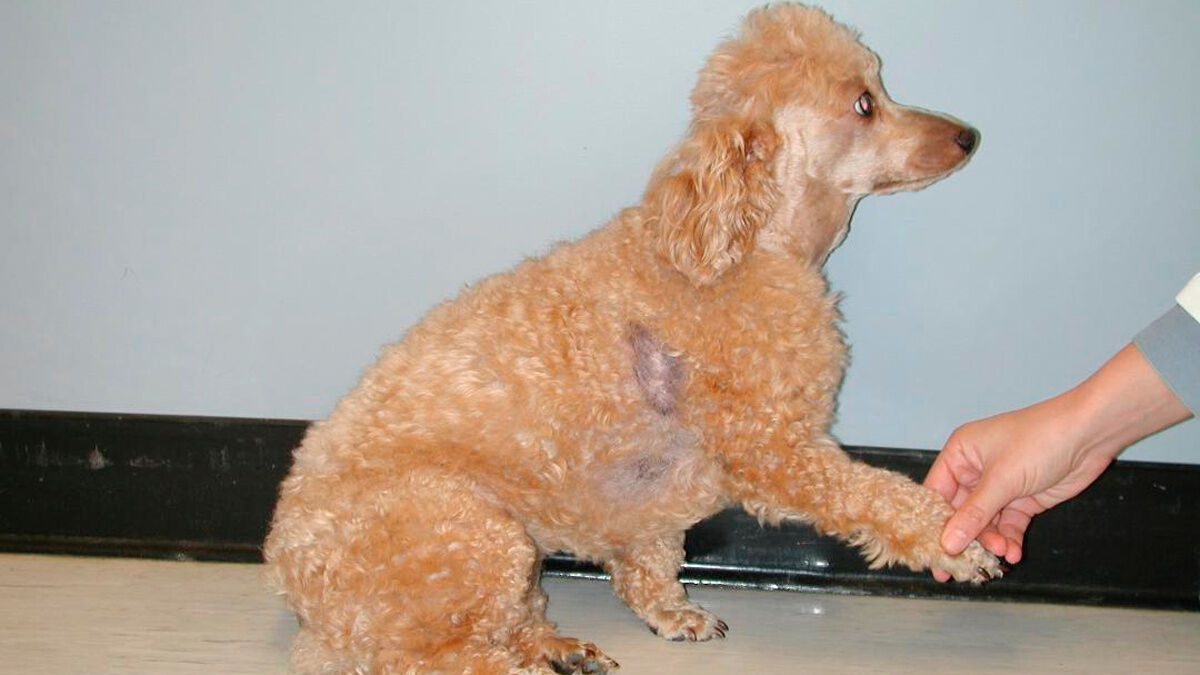
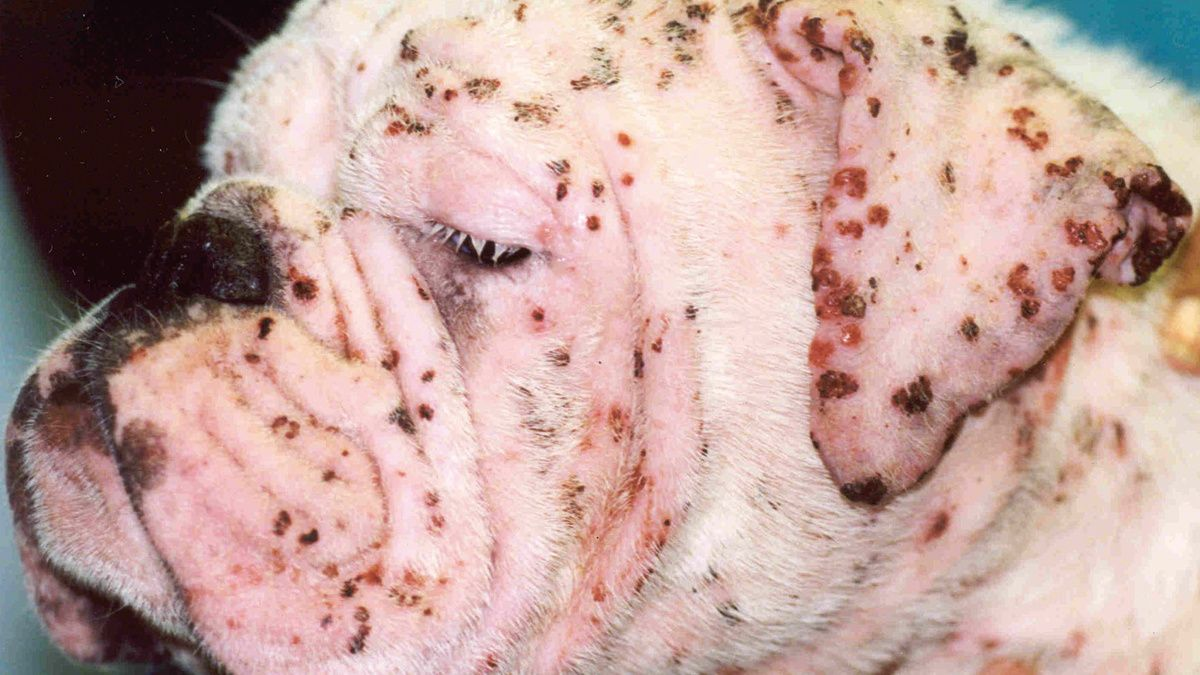
Oclacitinib is a Janus Kinase (JAK) 1 inhibitor that particularly blocks activity of IL-31, a key cytokine involved in pruritus and acute inflammation. Treatment every 12 hours results in very rapid control of pruritus, although this may recur when dogs are switched to once-daily therapy. Dogs should be carefully monitored for bacterial, fungal or parasitic infections and any non-selective effects (anemia, neutropenia, raised liver enzymes, elevated bile acids and weight gain). There are also reports of viral papillomas with neoplastic transformation to squamous cell carcinoma in situ (Bowen’s disease) and/or invasive squamous cell carcinoma.
Lokivetmab is a caninized monoclonal anti IL-31 antibody that specifically binds to and neutralizes circulating IL-31. It is fast acting and well tolerated, with little to no interaction with other medications or vaccines. Long-term safety is unknown but it is likely to be very good. Lokivetmab is administered by injection and is ideal for dogs that are hard to medicate orally and/or have concurrent conditions and treatments that preclude other medication. It offers rapid relief from pruritus and can also be combined with broad-spectrum agents.
Broad and narrow spectrum therapy
Since AD is a lifelong disease that needs proactive treatment to maintain remission and prevent flares, most cases will require appropriate combination therapy. Regular and careful monitoring is always required. Table 1 summarizes the main points for each class of drug.
| Topical glucocorticoids | Systemic glucocorticoids | Ciclosporin | Oclacitinib | Lokivetmab | |
|---|---|---|---|---|---|
| Spectrum | Broad |
Broad |
Broad | Semi-broad | Narrow |
| Cost | Cheap | Very cheap | Moderate to expensive | Moderate | Moderate |
| Onset | Rapid | Very rapid | Slow (2-3 weeks) | Very rapid | Very rapid |
| Acute inflammation | Effective | Effective | Less effective | Effective | Effective |
| Chronic inflammation | Effective |
Effective | Effective | Less effective | Less effective |
| Otitis & pododermatitis | Effective | Effective | Effective | Less effective | Less effective |
| Acute adverse effects | Rare | Common1 | Common2 | Common to uncommon3 | Rare |
| Long-term safety | Moderate to good4 | Poor | Good | Unknown | Unknown |
| Monitoring | Clinical checks | Clinical checks, urinalysis & blood pressure | Clinical checks & urinalysis | Clinical checks, CBC, biochemistry & urinalysis5 | Clinical checks |
| Combine with broadspectrum agents? | Yes6 | Short term | Short term | Short term | Yes7 |
Table 1. A comparison of effective anti-inflammatory agents for atopic dermatitis.
1Polyuria, polydipsia & polyphagia; panting and altered behaviour may be seen, but gastrointestinal (GI) ulceration is rare at 0.5-1.0 mg/kg/day.
2Mild and transient anorexia, vomiting and diarrhoea; persistent GI upsets are uncommon.
3Mild GI upsets are most frequent; uncommon reported adverse effects include aggression, weight gain, altered red and white blood cells counts, and increased liver enzymes & bile acids.
4Long-term adverse effects are uncommon with hydrocortisone aceponate but are more frequent with other topical glucocorticoids.
5The authors have noted an increased incidence of UTIs in dogs on oclacitinib and recommend performing urinalysis.
6Topical glucocorticoids are used with a wide variety of other anti-inflammatory agents, but formal data are lacking.
7Formal data are lacking but there are not likely to be any problems with concurrent drug administration.
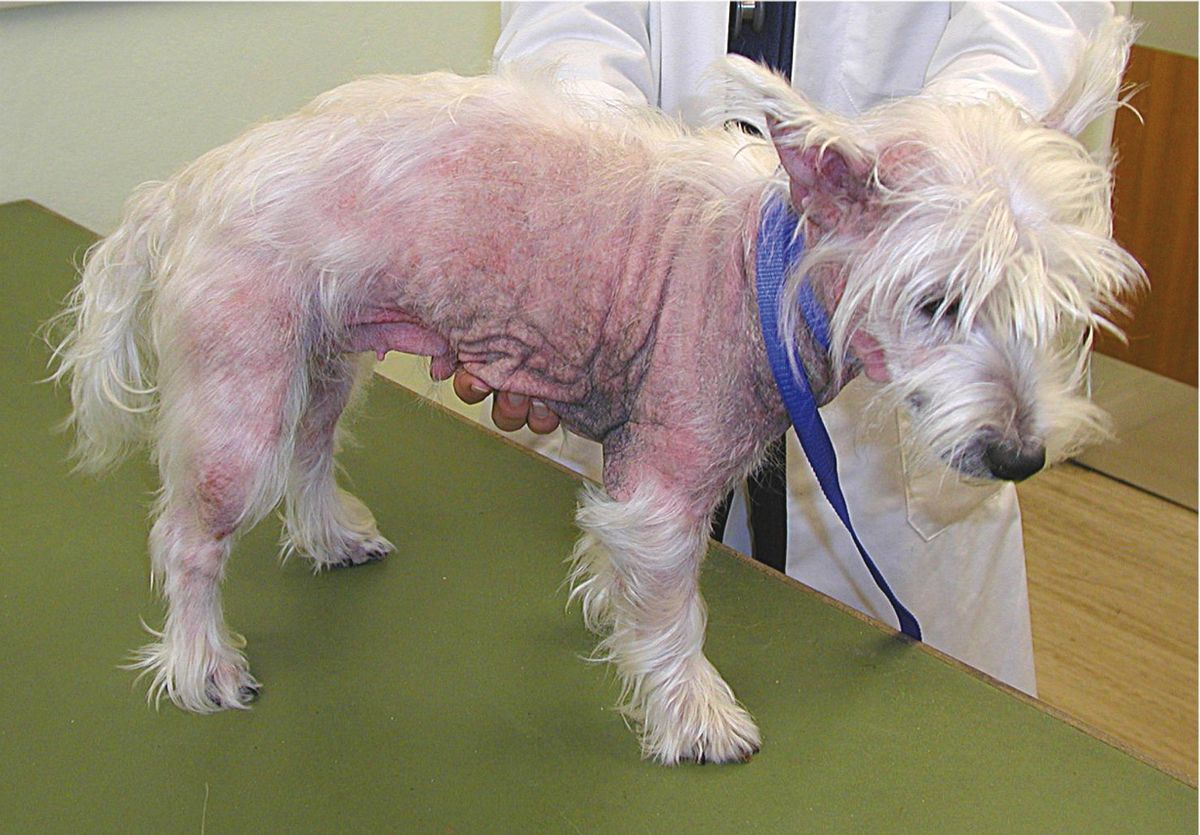
Glucocorticoids and ciclosporin are true broad-spectrum agents effective in chronic and acute inflammation (Figure 2). This also balances the skin microenvironment, preventing staphylococcal and Malassezia overgrowth and infection. However, the broad-spectrum activity may cause other problems.
Oclacitinib is best regarded as semi-broad spectrum; it is most effective against pruritus and acute inflammation, and less useful with chronic inflammation (especially of the feet and ears). It has less impact on the skin microenvironment and the reduction in pruritus may mask ongoing inflammation and infection (especially otitis and pododermatitis). The same is true of the narrow-spectrum agent lokivetmab. These drugs may be more specific, effective and safer, but often need to be combined with local therapy to manage ongoing inflammation and prevent infection.

Tim Nuttall
BSc, BVSc, CertVD, PhD, CBiol, MSB, MRCVS
United Kingdom
Dr. Nuttall qualified in 1992 and is an RCVS Specialist in Veterinary Dermatology. He is currently Head of Dermatology at the Royal (Dick) School of Veterinary Studies where he runs a busy referral dermatology clinic with particular interests in atopic dermatitis, otitis, antibiotic resistance and laser surgery.

Debbie Gow
BVM&S, VN, PhD, MRCVS
United Kingdom
Dr. Gow graduated in 2007 from The Royal (Dick) School of Veterinary Studies in Edinburgh and completed a year’s rotating small animal internship at Glasgow Vet School. She received her PhD in immunology in 2013 and is currently working towards her European Diploma in Veterinary Dermatology.