Introduction
Oral and dental diseases present a major threat to the well-being of our pets, with dogs and cats most commonly suffering from periodontal conditions. Proactive planning for professional dental cleaning and regular at-home oral hygiene will greatly help prevent the establishment and progression of periodontal disease. However, providing good homecare can be challenging, and the ideal of daily tooth brushing is not always easily achieved. Other options for reducing plaque and calculus accumulation are therefore being developed, but the array of products on offer nowadays can make it difficult for the clinician or animal owner to recommend or choose one that is truly effective. The Veterinary Oral Health Council (VOHC) [1] was established to provide a system that delivers an independent review of dental products that effectively reduce plaque and calculus accumulation in dogs and cats, and its Seal of Acceptance can help guide selection of appropriate health care products.
Oral and dental diseases – a welfare issue
A recent study determined that oral and dental pathologies rank in the top three conditions that have a significant welfare impact on dogs, based on their high prevalence, duration and severity [2], a view shared by the World Small Animal Veterinary Association [3]. Among the various oral and dental diseases, periodontal conditions are the most common and will affect most dogs and cats at some point in their lives [4] [5] [6] [7]. Periodontal problems progress with age, some individuals, especially small breeds of dog, can be affected before one year of age [5] [6]. Despite the high prevalence of chronic inflammatory periodontal disease in companion animals, the causal mechanisms are only now being more extensively revealed. As in humans, a multifactorial etiology is suspected, with the oral cavity microbiome being the major trigger for the onset, and host factors and environmental conditions involved in their development and progression [8] [9] [10] [11] [12].
Ana Nemec
Tooth brushing – the best preventative option
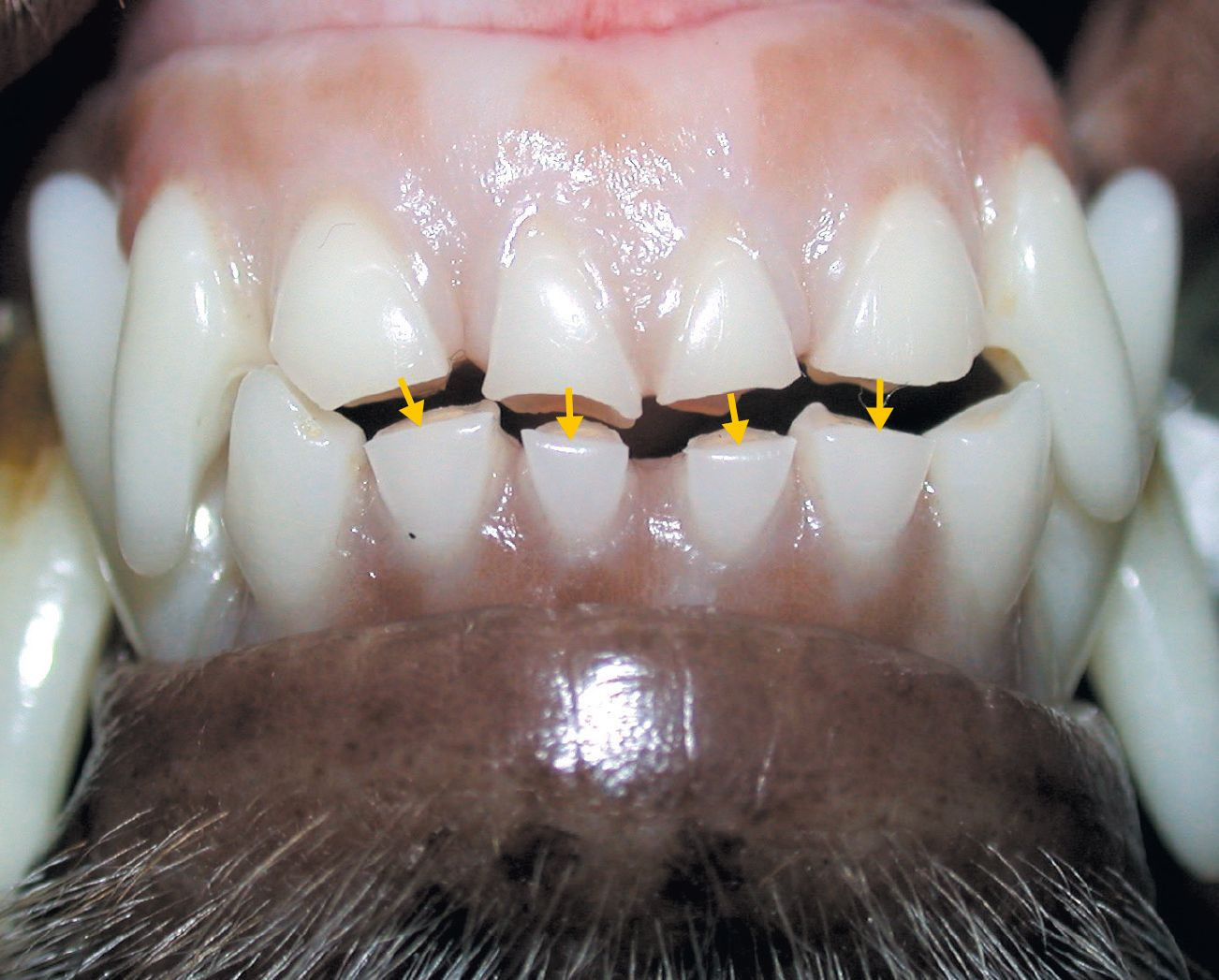
One of the main approaches to the prevention of periodontal disease is to inhibit development of dental plaque; this includes professional dental cleaning (Figure 1) and home oral hygiene.

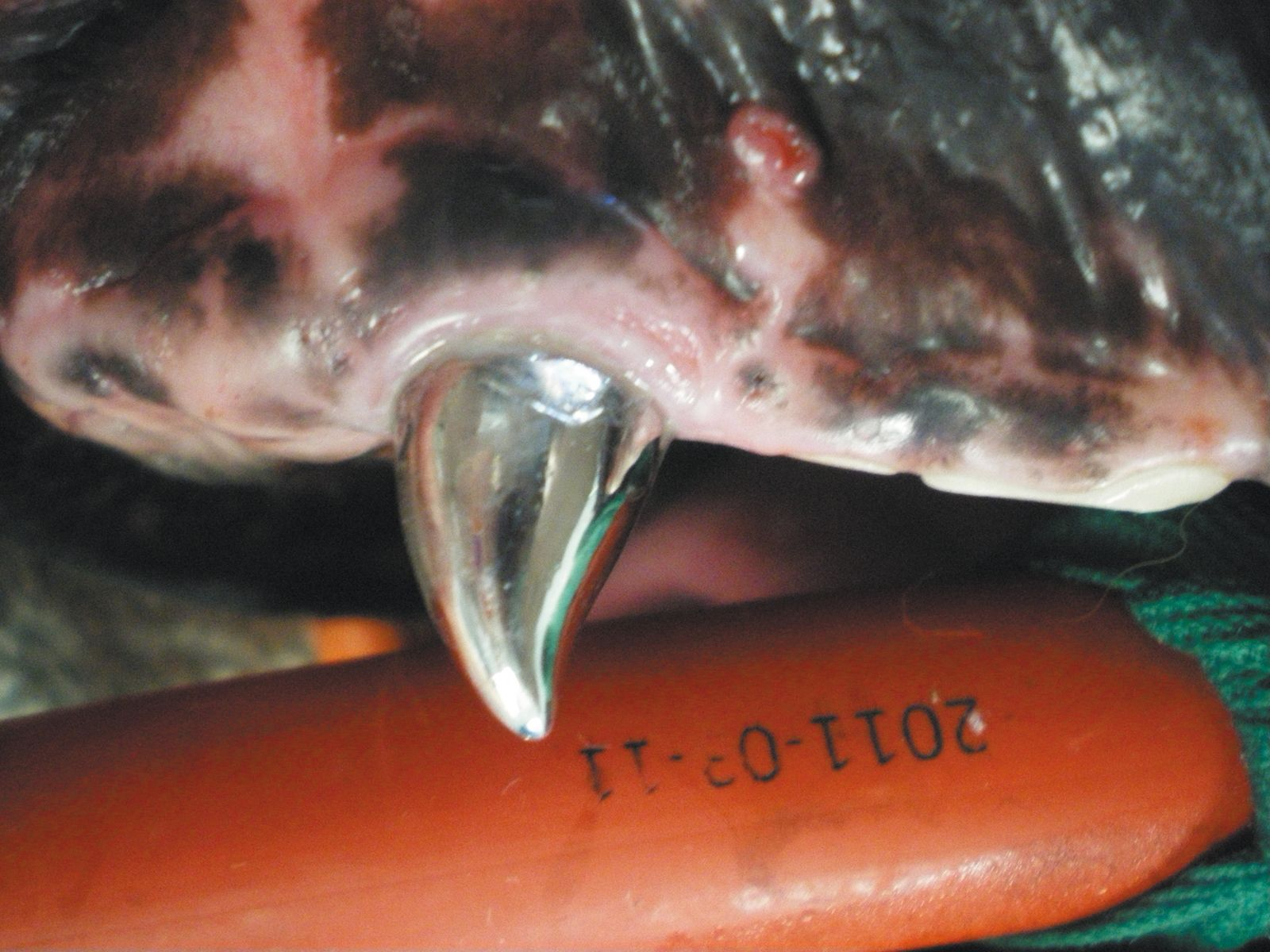
Guidelines for appropriate in-clinic diagnostic procedures and treatment are well established [3], whilst the gold standard of home oral hygiene remains daily tooth brushing (Figure 2), which reduces the amount of plaque and calculus [13] [14] and inhibits oral bacterial growth [15]. Daily brushing has also been shown to be superior in efficacy at controlling plaque accumulation in dogs when compared to a daily dental chew or dental diet [16], and the importance of regular homecare in prevention of periodontal disease development has been shown even in very young dogs [5] [6].
However, tooth brushing may not always be realistic, and other practical alternatives that help reduce plaque and calculus accumulation, and at the same time promote the proportion of “healthy” oral bacteria, need to be considered [5] [17]. Moreover, ongoing education between veterinarians, veterinary nurses, and pet owners is needed to increase compliance with home oral hygiene recommendations [18] [19].

VOHC – safe and effective dental products
Several alternatives to daily tooth brushing now exist; these include dental diets, chews and chew treats, water additives, oral gels and sprays, toothpastes, wipes, tooth sealants and powders which are added to the petfood. With so many options, it may be difficult for a clinician to recommend, or an animal owner to choose, an effective product. To reach an informed decision, it is advisable to consider a product which offers reliable scientific data on its efficacy – but this can be challenging, as research studies usually refer to active ingredients or generic names rather than a specific product. VOHC was therefore established in 1997 within the American Veterinary Dental College (AVDC) to provide an independent review system for veterinary dental products that effectively reduce plaque and calculus accumulation in dogs and cats.
A minimum of two trials are required for all products tested, with an objective scoring system used to ascertain the efficacy of a product. The VOHC requires that the minimum difference in "mouth mean scores" (i.e., the mean of all scored teeth for all animals involved) between the test and the negative control groups is a 15% reduction in the plaque or calculus (tartar) score in each trial, and an average of at least 20% reduction in the two trials. A statistically significant difference (p < 0.05) in each trial is also mandatory. If a product meets these standards for plaque and/or calculus reduction, VOHC will award a “Seal of Acceptance” in either the “Helps control plaque” and/or the “Helps control tartar” category (the term “tartar” being used in preference to “calculus” to raise public awareness) (Figure 3).


However, VOHC is not a regulatory agency, and when it authorizes the use of its Registered Seal on a certain product, this only means that a product has met its standards for effectiveness when used as directed by the manufacturer. VOHC also requires the manufacturer to ensure that any product evaluated is safe (i.e., it does not cause trauma to the oral tissues, or any extra-oral problems such as toxicity, esophageal and/or gastrointestinal obstruction or perforation, and/or nutritional imbalance) and meets all applicable regulatory requirements. Once a VOHC®; Seal of Acceptance has been issued the manufacturer must ensure that these conditions continue to be met, and that any complaints from consumers are promptly reported to the VOHC.
The Seal of Acceptance may be extended to other products in a product line if there are only minor differences between them (e.g., flavor) that do not change the dental effectiveness. However, if major differences exist, (for example, if they manufacture the product in a different shape or with varying ingredients, or if they plan to market the product in alternative sizes for dogs of different body sizes) additional or more complex trials are needed.
Testing products for the VOHC®; Seal of Acceptance
All products are tested on either dogs or cats depending on their intended use. Trial design and analysis procedures must be carefully described and documented, but the protocol will vary depending on the product type to ensure appropriate comparisons between the test groups. For example, for chewed and ingested mechanically-effective products (i.e., dental diets, chews and treats) two groups of animals are required – a test group and a control group. All trial groups must have the same number of weight- and age-matched animals randomly assigned at the start of the study. There is no stated minimum number of animals in each group, as this can vary between products, but appropriate statistical analyses must be used according to the data distribution. Two trials are required to ensure the results are reproducible, and animals from one trial cannot be included in the second trial, although cross-over studies are permitted where appropriate. This study design offers the advantage that animals act as their own controls and therefore fewer animals per group may be needed, but any possible carry-over effects must be included when it comes to the data analysis.
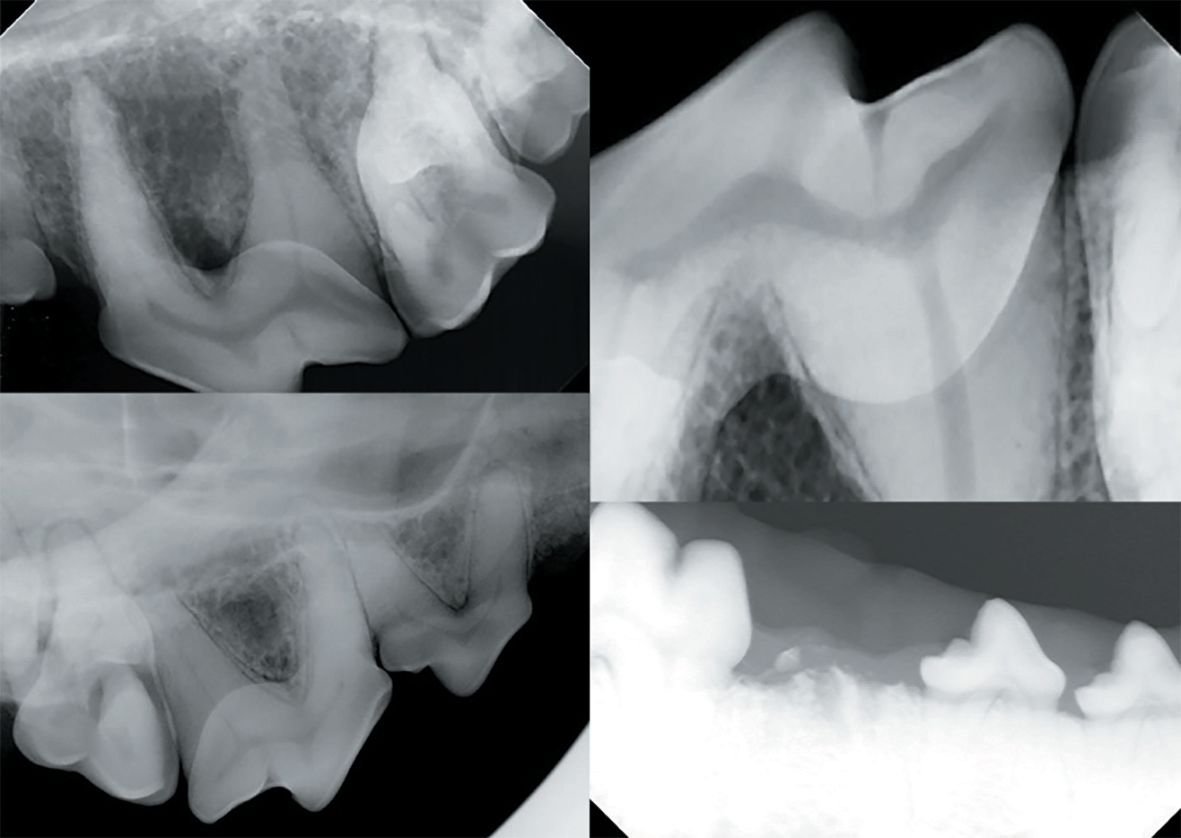
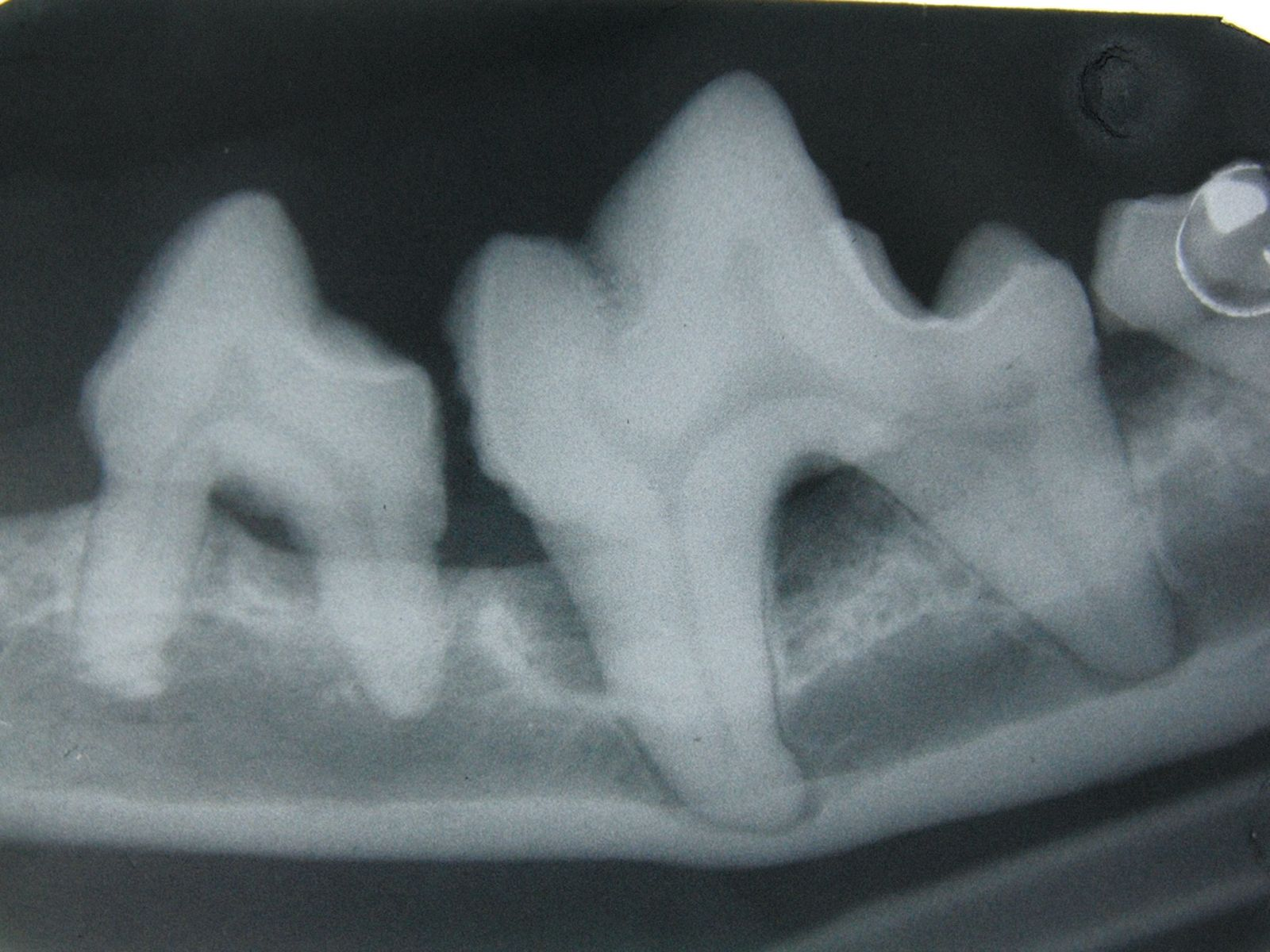
Animals in a trial may be either pets (with informed consent from the owner) or from an USDA-recognized (or similar) facility (with approval of the institute’s Animal Care and Use Committee). All animals must be clinically evaluated to ensure inclusion criteria are met – i.e., in good general health and without severe periodontal and/or dental disease (Figure 4), especially on the teeth to be used for evaluation of plaque and calculus accumulation (referred to as “VOHC teeth”). In addition, certain standard criteria are required to ensure a valid study (Table 1).
|


On day zero of the trial the teeth are scaled (Figure 1) and polished using a standard state-of-the-art technique, and a disclosing solution applied at the end of the procedure to ensure complete removal of plaque and calculus (i.e., a “clean tooth model” (Figure 5 and 6)). At the end of the trial period the selected teeth are scored again for plaque and calculus accumulation and any associated gingivitis, along with any other non-gingival inflammation or trauma that has occurred during the trial. Whilst a Gingivitis Index is provided to indicate product safety, VOHC does not support any product claim for reducing gingivitis.


Test result evaluation
VOHC does not directly perform product testing, but rather evaluates the results of trials according to established and pre-approved protocols. The voluntary VOHC Council is formed by nine veterinary dentists who have experience in clinical dentistry as well as expertise in research and study design, but all individuals must declare any possible conflict of interest before reviewing product data. When study data is submitted for assessment by the VOHC – all submissions are voluntary – they are reviewed in detail by the VOHC Director and then the VOHC Council, with a consultant statistician included in the process if necessary. Any issues that require clarification are communicated to the product manufacturer before a final vote is taken by Council. The decision to award a VOHC®; Seal of Acceptance is then presented as a recommendation to the AVDC Board of Directors for ratification before the manufacturer is notified.
Acknowledgements
Ana Nemec has been a VOHC Council member since 2019.
Conclusion
Daily tooth brushing remains the preferred method for controlling plaque and calculus accumulation in pets, but alternatives need to be considered, either as an addition to less regular tooth brushing or as the sole method of plaque and calculus control where brushing (for whatever reason) is impossible. Products with the VOHC®; Seal of Acceptance are safe and have been thoroughly tested to meet their standards for effectiveness in reducing plaque and/or calculus accumulation when used as directed by the manufacturer, and can therefore be safely recommended for oral home hygiene in dogs and cats.
Ana Nemec
DVM, PhD, Dip. AVDC, Dip. EVDC
Slovenia
Ana Nemec obtained her DVM and PhD degrees from the University of Ljubljana and later moved to the University of California-Davis, USA for a residency in Dentistry and Oral Surgery, before becoming a Diplomate of both the American and European Veterinary Dental Colleges in 2013. She is currently assistant professor and a specialist in the Small Animal Clinic at the University of Ljubljana and an independent consultant in veterinary dentistry. Passionate about teaching, she is active in several national and international dental societies and a frequent contributor to clinical journals.
References
- Veterinary Oral Health Council Web site. Available at:www.vohc.org. Accessed Feb 28, 2021.
- Rodrigues MX, Bicalho RC, Fiani N, et al. The subgingival microbial community of feline periodontitis and gingivostomatitis: characterization and comparison between diseased and healthy cats. Sci Rep 2019;9(1):12340.
- Wallis C, Marshall M, Colyer A, et al. A longitudinal assessment of changes in bacterial community composition associated with the development of periodontal disease in dogs. Vet Microbiol 2015;181(3-4):271-282.
- Harris S, Croft J, O'Flynn C, et al. A pyrosequencing investigation of differences in the feline subgingival microbiota in health, gingivitis and mild periodontitis. PLoS One 2015;10(11):e0136986.
- Harvey C, Serfilippi L, Barnvos D. Effect of frequency of brushing teeth on plaque and calculus accumulation, and gingivitis in dogs. J Vet Dent 2015;32(1):16-21.
- Ingham KE, Gorrel C, Blackburn JM, et al. The effect of toothbrushing on periodontal disease in cats. J Nutr 2002;132(6 Suppl 2):1740S-1S.
- Watanabe K, Hayashi K, Kijima S, et al. Tooth brushing inhibits oral bacteria in dogs. J Vet Med Sci 2015;77(10):1323-1325.
- Allan RM, Adams VJ, Johnston NW. Prospective randomised blinded clinical trial assessing effectiveness of three dental plaque control methods in dogs. J Small Anim Pract 2019;60(4):212-217.
- Ruparell A, Warren M, Staunton R, et al. Effect of feeding a daily oral care chew on the composition of plaque microbiota in dogs. Res Vet Sci 2020;132:133-141.
- Enlund KB, Brunius C, Hanson J, et al. Dental home care in dogs – a questionnaire study among Swedish dog owners, veterinarians and veterinary nurses. BMC Vet Res 2020;16(1):90.
- Miller BR, Harvey CE. Compliance with oral hygiene recommendations following periodontal treatment in client-owned dogs. J Vet Dent 1994;11(1):18-19.
- Summers JF, O'Neill DG, Church D, et al. Health-related welfare prioritisation of canine disorders using electronic health records in primary care practice in the UK. BMC Vet Res 2019;15(1):163.
- Niemiec B, Gawor J, Nemec A, et al. World Small Animal Veterinary Association Global dental guidelines. J Small Anim Pract 2020;61(7):E36-E161.
- Peralta S, Fiani N, Scrivani PV. Prevalence, radiographic, and demographic features of buccal bone expansion in cats: a cross-sectional study at a referral institution. J Vet Dent 2020;37(2):66-70.
- Wallis C, Pesci I, Colyer A, et al. A longitudinal assessment of periodontal disease in Yorkshire terriers. BMC Vet Res 2019;15(1):207.
- Marshall MD, Wallis CV, Milella L, et al. A longitudinal assessment of periodontal disease in 52 Miniature Schnauzers. BMC Vet Res 2014;10:166.
- Girard N, Servet E, Biourge V, et al. Periodontal health status in a colony of 109 cats. J Vet Dent 2009;26(3):147-155.
- Buduneli N. Environmental factors and periodontal microbiome. Periodontol 2000 2021;85(1):112-125.
- Wallis C, Milella L, Colyer A, et al. Subgingival microbiota of dogs with healthy gingiva or early periodontal disease from different geographical locations. BMC Vet Res 2021;17(1):7.