Introduction
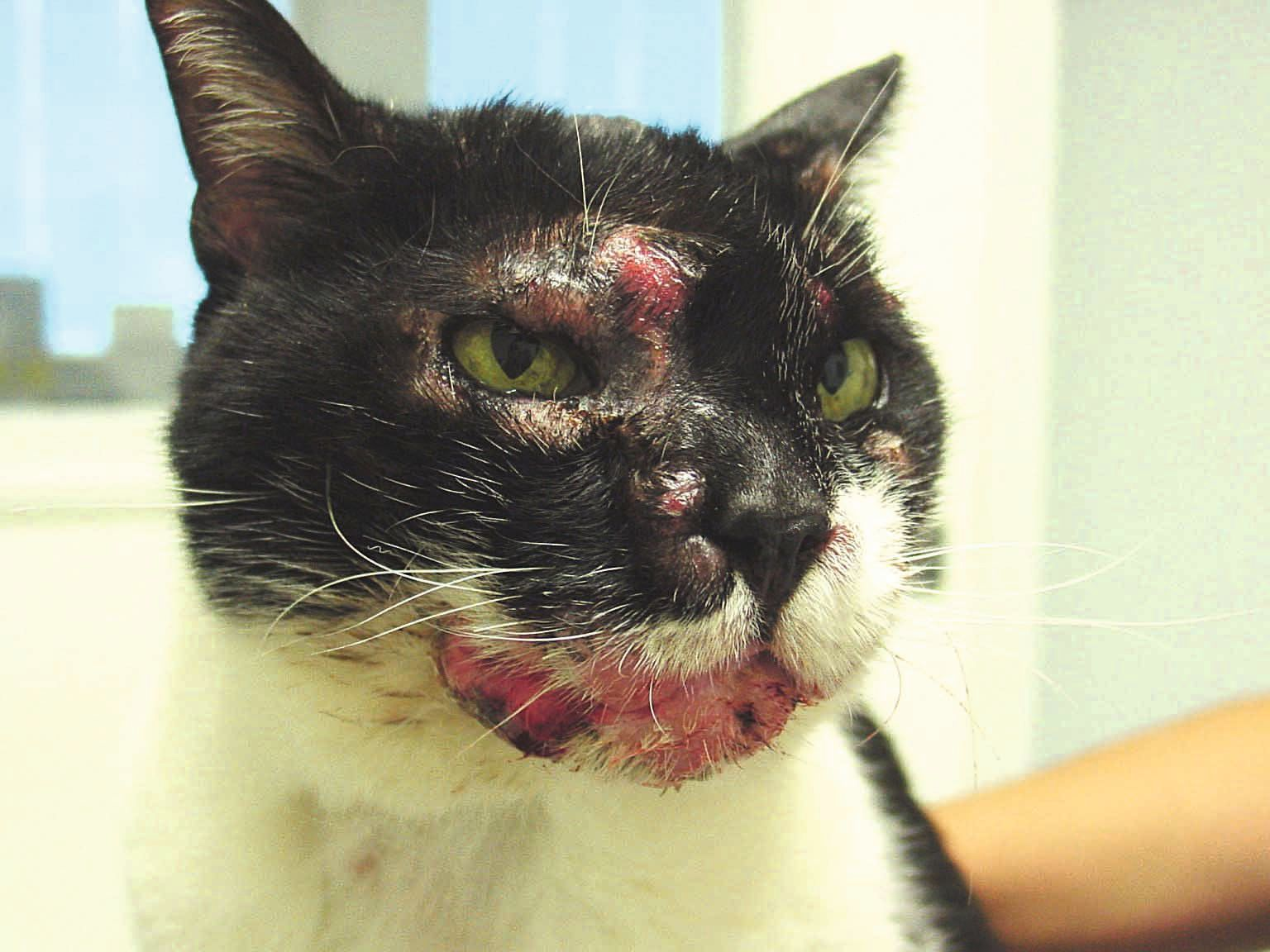
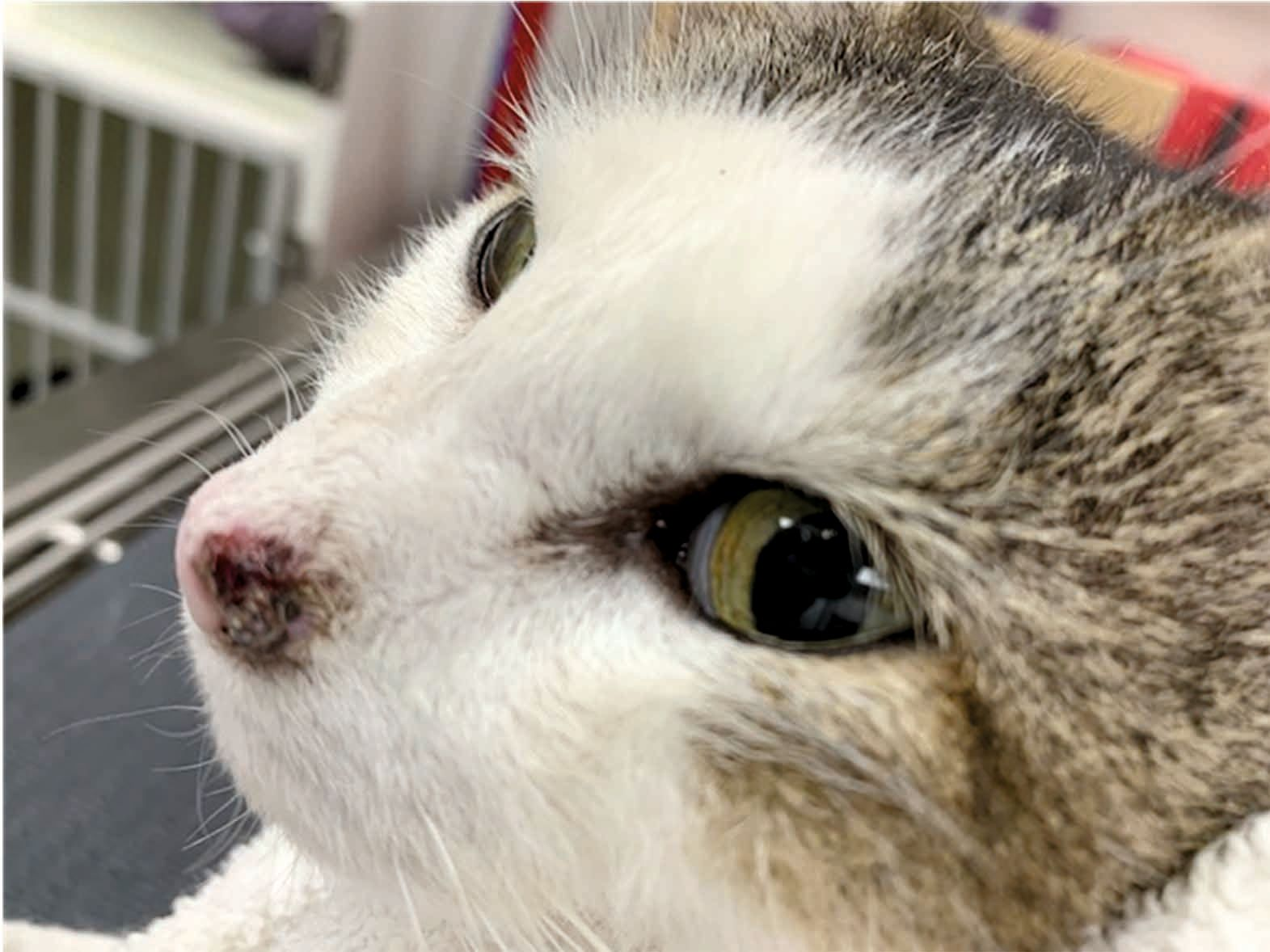
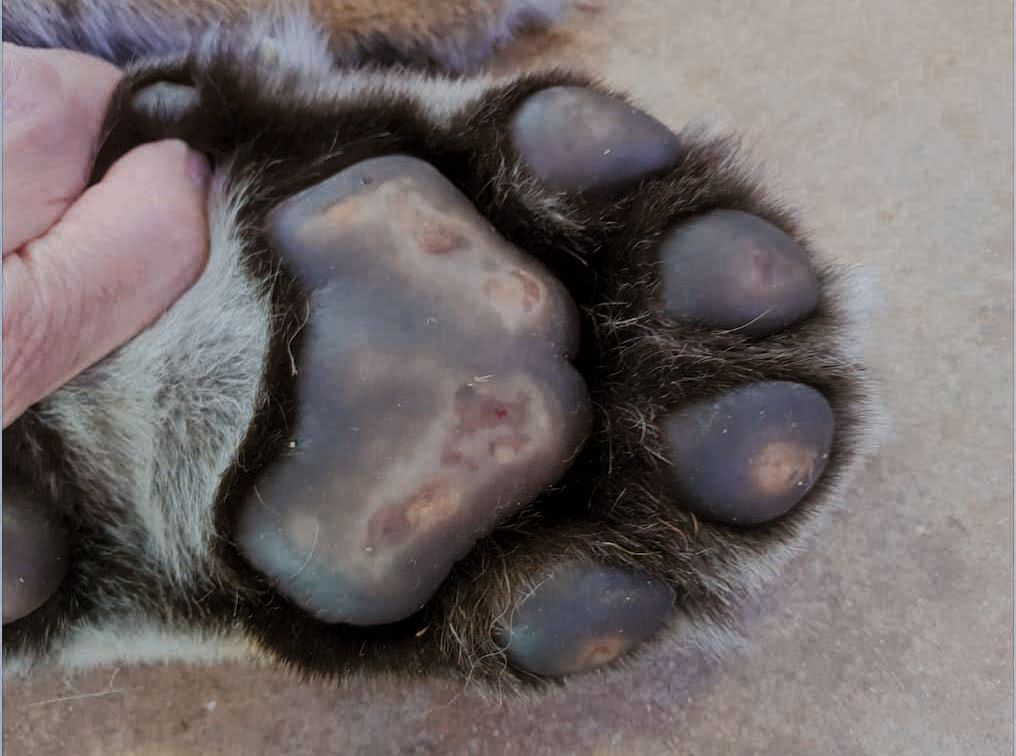
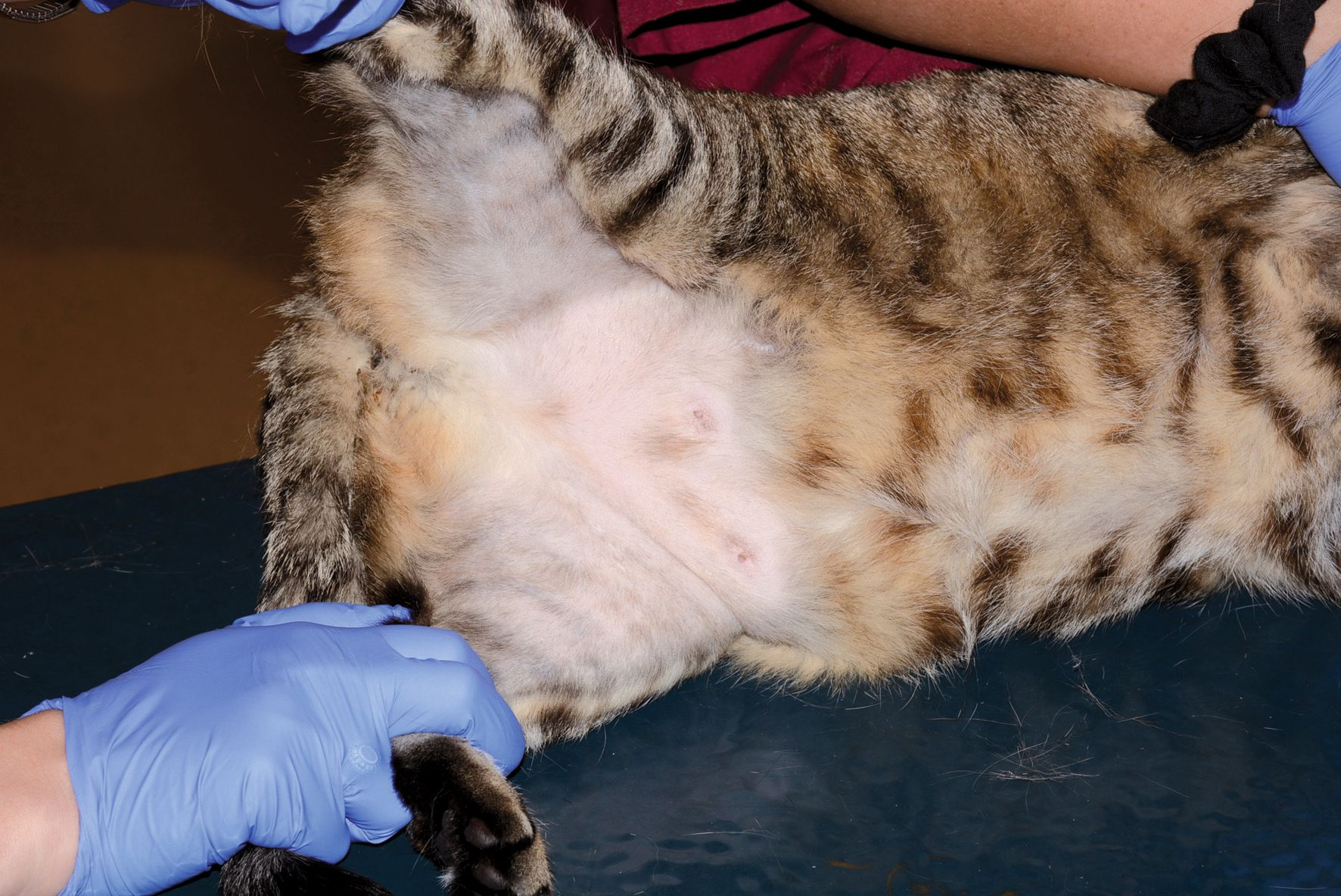
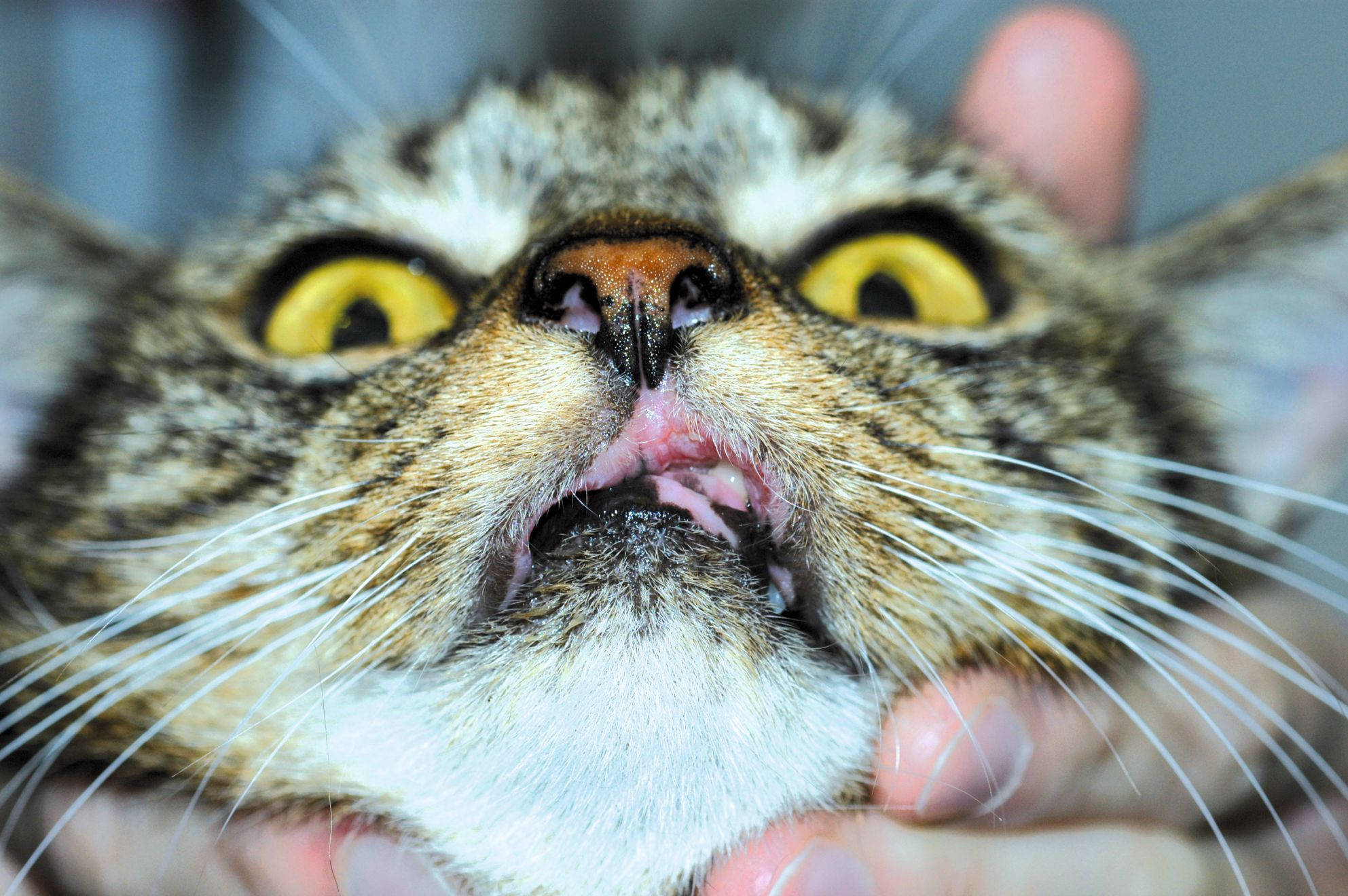
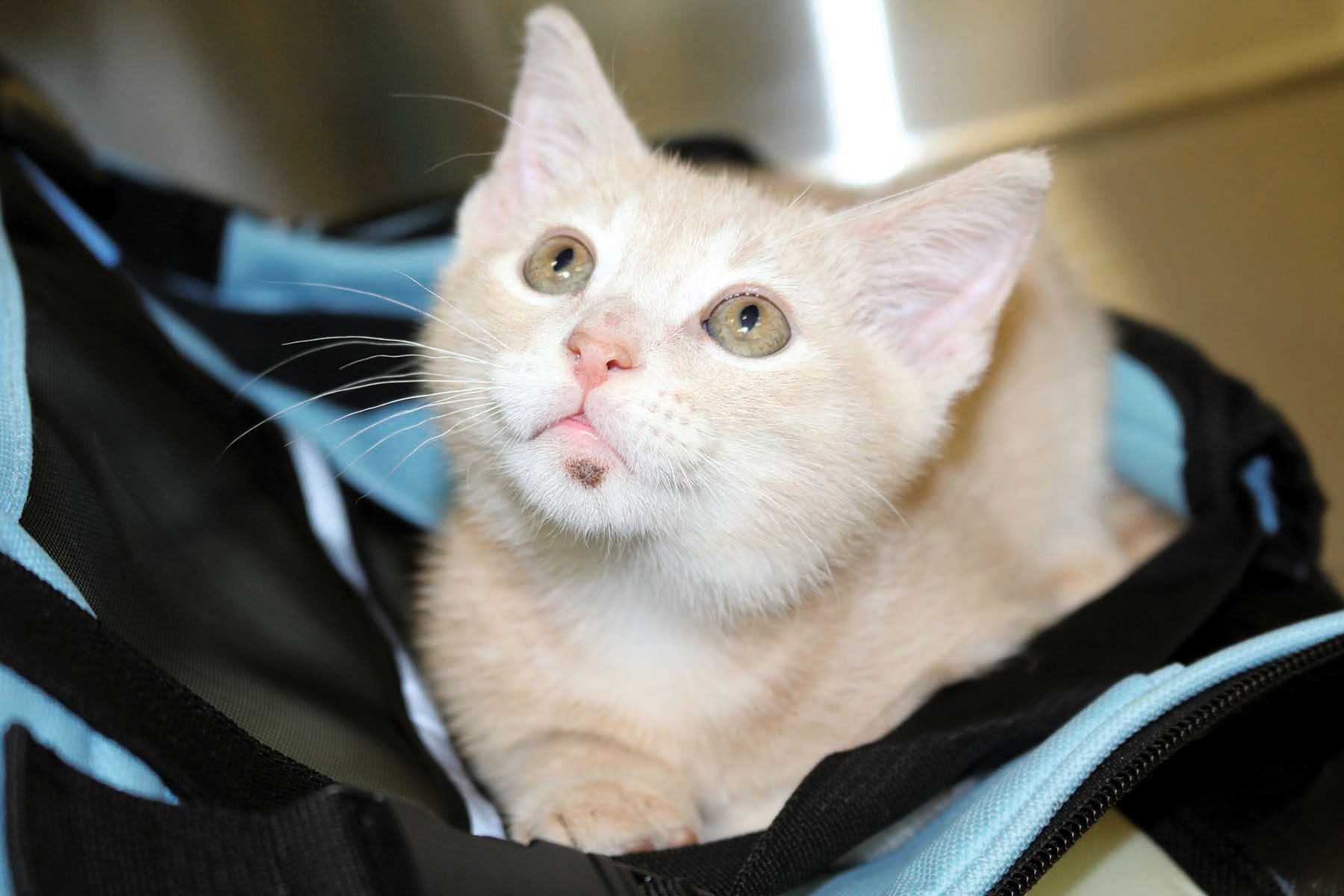
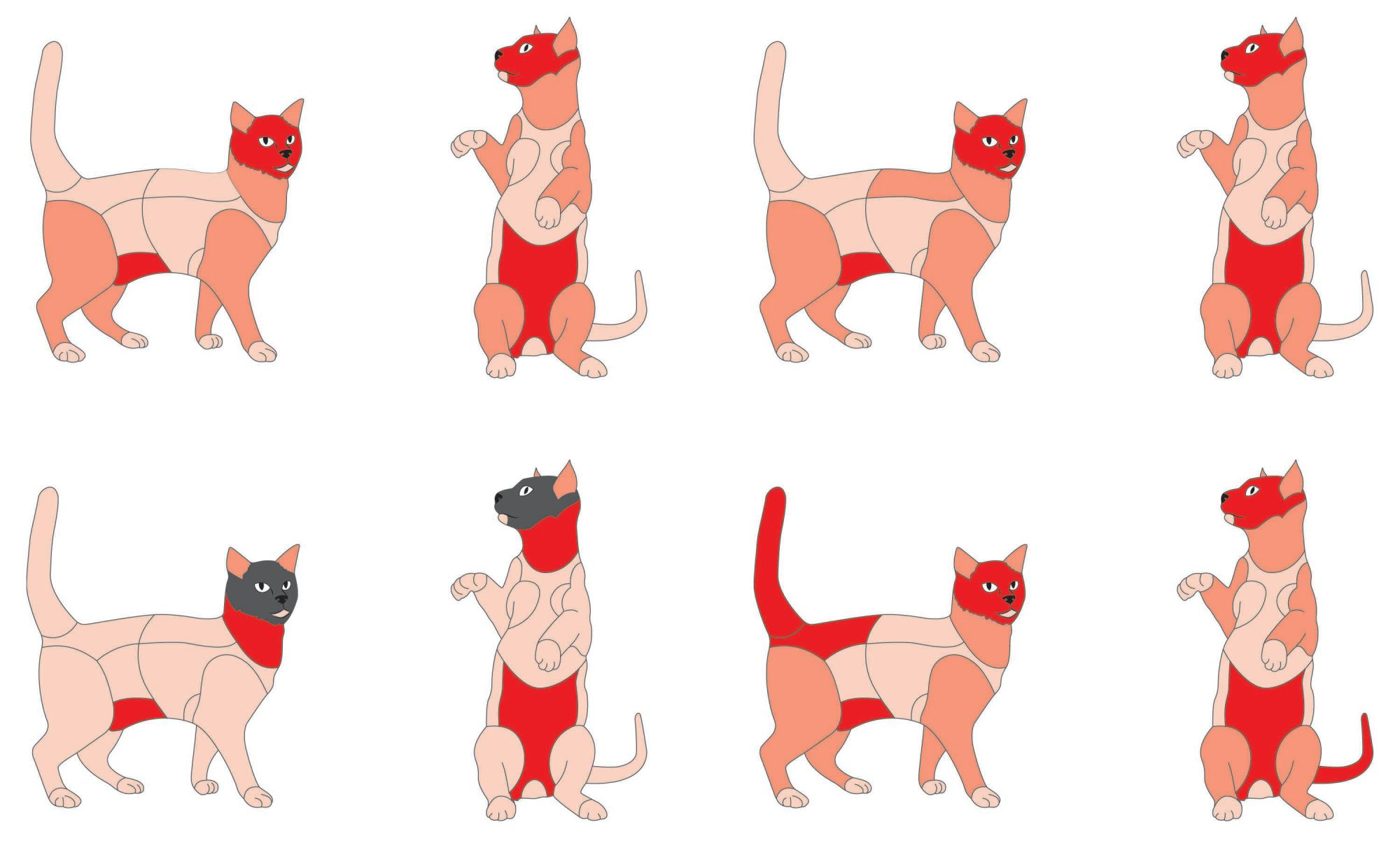
Pruritic disorders in cats are often attributed to hypersensitivity dermatides (HD) including flea bite hypersensitivity (FBH), food-induced hypersensitivity dermatitis (FIHD) and atopic dermatitis (AD) [1]. Use of the term feline AD remains debatable because the clinical presentation, histologic features and role of IgE differ significantly to that of human and canine atopy [1] [2]. The significance of IgE in the pathogenesis of this condition has not been firmly established, and there are currently very few studies that have investigated the role of IgE in feline AD [3]. The term non-flea, non-food induced hypersensitivity dermatitis (NFNFIHD) is sometimes used to refer to this condition. Feline AD is suggested to be the second most common HD in cats [4]; one study reported a prevalence of 12.5% of all feline dermatoses [2], and also found that Abyssinian, Devon Rex and domestic breed cats were over-represented. Clinical signs typically start manifesting in young cats (under 3 years of age) [5] although one study did find that 22% of cats with feline AD were over 7 years of age [2]. This study also found that 93% of cats with feline AD were perceived as being pruritic by their owners, and importantly, trichogram analysis in the remaining 7% confirmed broken hairs consistent with pruritic behavior. The majority of cats (80%) in this study had non-seasonal signs.Cats with HD will present with one or more of the following patterns: head and/or neck excoriations (Figure 1), symmetrical self-induced alopecia, miliary dermatitis, or eosinophilic granulomas complex lesions (Figures 2 and 3) [1] [2]. Other presentations, including pododermatitis, facial erythema, seborrheic disorders or ceruminous otitis have also been reported [3] [5]. It is impossible to distinguish between the different causes of HD based on clinical presentation; although one study found that cats with FIHD were more likely to present with lesions on the head and neck, and cats with FBH were more likely to present with lesions on the dorsal aspect of the body (rump and tail) [1], this finding was not considered statistically significant. Figure 4 shows the most commonly affected sites of HD with the different causes.
Feline AD is currently diagnosed based upon a compatible history and clinical presentation, along with exclusion of other pruritic dermatoses [5]. It is especially important for the clinician to rule out FBH with appropriate ectoparasite treatment and, for cats exhibiting non-seasonal signs, a restricted diet trial (for typically 8 weeks) to rule out FIHD [5]. Diagnosing and treating feline AD can be challenging and frustrating for even the most seasoned clinician for several reasons:
• There are currently no widely established clinical diagnostic criteria for feline AD as there are in dogs [6].
• Treatment options available for feline AD are limited.
• It can be notoriously difficult to administer oral medication to cats [5].
This article will discuss some of the pharmaceutical treatment options used to control pruritus caused by AD in feline patients.


Corticosteroids
Corticosteroids have long been the mainstay of treatment for feline AD, and are frequently used as cats appear to be generally more resistant to the adverse effects of this class of drugs than dogs [5]. Although feline AD has been reported as typically corticosteroid responsive [5], one study found that a good response to systemic corticosteroids was only reported in 55% of cats, although the type, dosage and duration of therapy were not evaluated [2]. No studies have examined the most effective way to taper corticosteroids, but an induction dosage is generally employed for the first week and then tapered at 1-2 week intervals, with the aim of attaining the lowest every other day dosage that maintains remission and minimizes side effects [7]. In cats, prednisolone is recommended over prednisone due to significantly higher bioavailability (100% vs. 21% respectively) [8]. One study showed that methylprednisolone (1.41 mg/kg q24H) or triamcinolone (0.18 mg/kg q24H) were effective at inducing remission of pruritus in 90.6% of allergic cats within 7-14 days, while prednisolone (1 mg/kg q24H) only achieved remission in 45.5% of cats after 28 days [7]. This study also indicated that 0.54 mg⁄kg q48H of methylprednisolone or 0.08 mg⁄ kg q48H of triamcinolone were effective at maintaining remission in these cats.
Adverse effects of corticosteroid treatment can include marked cutaneous atrophy, congestive heart failure, iatrogenic hyperadrenocorticism and increased risk of diabetes mellitus, among others [9]. A preliminary study suggested that dexamethasone exhibited a greater diabetogenic effects in cats than the equivalent dose of prednisolone [10].
For patients that require long-term maintenance therapy, injectable glucocorticoids (e.g., methylprednisolone acetate) are usually not recommended, as oral administration is more precise and is associated with a lower risk for side effects [9]. Additionally, a poorly understood but well recognized phenomenon called steroid tachyphylaxis (i.e., resistance) can occur when the drug is administered long-term, and in these cases changing the type of corticosteroid administered can often result in better clinical response [9]. Topical corticosteroids, including mometasone furoate and hydrocortisone aceponate, are reported to provide good control of pruritus in some cats, or can be used to reduce the need for systemic corticosteroids [2] [9].
Cyclosporine
Cyclosporine is a calcineurin inhibitor with immunosuppressive activity that focuses on cell mediated immune responses [9]. Several studies have found good efficacy and safety of cyclosporine to treat feline HD when used at 7 mg/kg q24H PO after 4-6 weeks [2] [11] [12] [13]. One study found that 70% of cats receiving cyclosporine could be reduced to every other day dosing after 4 weeks of treatment, and over the following four weeks 57% of cats could then be reduced to twice weekly dosing [13]. A single study has evaluated the administration of cyclosporine 50 mg/mL subcutaneously; this formulation, given initially at 2.5-5 mg/kg once daily to alternate days, appears to be an efficacious therapy for feline AD and may be an alternative option for cats that cannot be treated orally [14].
Monitoring serum levels of cyclosporine in HD is typically not recommend, as the levels generally do not correlate with clinical response [9]. The most commonly observed adverse effects are digestive tract disorders, including vomiting, diarrhea, hypersalivation and anorexia [9] [11] [12], and the resulting weight loss may lead to hepatic lipidosis [9]. Most of these adverse effects were mild in nature and did not require withdrawal from the studies [11] [12]. Giving the drug with a small amount of food or freezing the capsules before administration have been suggested to minimize gastrointestinal side effects [15]. Some clinicians recommend giving the liquid preparation of this medication cold to alleviate this adverse effect, although the author is not aware of any studies that have confirmed preparation stability at this temperature.
Rarely, development of severe systemic illness due to Toxoplasma gondii has been reported [2] [9]. Titer testing for T. gondii should therefore be consider prior to starting therapy [2], and cats should not be fed a raw food diet or be allowed to hunt while receiving cyclosporine [2]. All cats should also be tested for Feline Immunodeficiency Virus (FIV) and Feline Leukemia Virus (FeLV) prior to treatment [9]. Many clinicians recommend pre-cyclosporine testing to include complete blood count, biochemistry and urinalysis, and will monitor ongoing treatment every 6-12 months thereafter [9].
Jay Korbelik
Antihistamines
Few studies have evaluated the use of antihistamines to treat pruritus due to feline AD, and dosing recommendations and efficacy vary greatly. Antihistamines generally tend to be well tolerated but have low efficacy [2] [16] [17]. The efficacy of cetirizine has been most widely evaluated, with one study reporting a reduction in pruritus in 41% of cats [16], but another study reported a good response in only 6% of cats and a partial response in 34% of cats [2]. However, no statistical difference in reduction of pruritus between cats treated with cetirizine and those treated with a placebo has been reported [17]. A retrospective review noted a good response to loratadine treatment in only 5% of cats and a partial response in 42% of cases, although the number of cats in this study was low [2]. The efficacy of cyproheptadine hydrochloride was evaluated in one study; pruritus was satisfactorily controlled in only 45% of cats [18], and side effects (including polyphagia, sedation, vocalization, affectionate behavior, and vomiting) were noted in 40% of animals.
Oclacitinib
Oclacitinib is a Janus kinase inhibitor that has primarily been used in the treatment of pruritus in dogs. It can be used off-label in cats, although limited studies have evaluated its efficacy and safety. A pharmacokinetic study of oclacitinib found that larger doses and shorter dosing intervals would be recommended in cats to achieve similar blood concentrations to those in dogs [19]. One study reported that oclacitinib was effective at reducing pruritus in 51% of cats and improved clinical lesions of feline AD in 61% of cats when dosed at 1 mg/kg q12H [20]. The efficacy of the drug was comparable to methylprednisolone efficacy in this study, with the latter performing slightly better.
Oclacitinib appears to be well tolerated in cats, although one study found that 4 out of 14 cats had a mild increase in kidney function tests after 4 weeks of use [20]. A second study evaluating the safety of this drug in cats noted gastrointestinal side effects in a small proportion of cases when given at 2 mg/kg q12H [21]. It also noted a small but significant increase in fructosamine levels when cats were treated with oclacitinib, although values remained within the normal reference range. Further investigation is required to evaluate long-term safety of this treatment in cats.
Maropitant
Maropitant is a neurokinin-1 receptor antagonist indicated for the prevention of vomiting and nausea in cats. Its anti-pruritic and anti-inflammatory effect is thought to rely on its ability to inhibit substance P by binding to its receptor [22]. In one study, cats were treated with maropitant at 2.22 mg/kg q24H for 4 weeks, resulting in a decrease in both clinical lesions and pruritus scores associated with AD in all animals except one [22]. The efficacy and the tolerability of the treatment were judged as excellent or good in 83.3% of cats, with the only side effect being self-limiting sialorrhea in a small number of cases.
Palmitoylethanolamide (PEA)
PEA is a naturally occurring lipid compound with antiallergic and anti‐inflammatory effects [23] [24]. PEA binds to peripheral cannabinoid receptors and down-regulates mast cell degranulation [23]. A pilot study on cats with eosinophilic granulomas and plaques showed that 30 days of treatment with co‐micronized PEA reduced the severity of clinical lesions and pruritus in more than 60% of cases [23]. A second study, in which cats were co- and post-administered ultramicronized PEA (PEA-um) at 15 mg/kg q24H PO, showed that the compound enhanced the anti‐pruritic effect of a short course of methylprednisolone treatment, and could delay flares in cats with HD [24]. It reported that the cats could be maintained relapse- and corticosteroid‐free for a mean period of six weeks with no serious side effects, although mild gastrointestinal upset was noted.
Conclusion
No single treatment is effective in controlling signs of feline atopic dermatitis (AD) in all cases and a multi-modal approach is often necessary. As this article focuses on pharmaceutical treatment options of feline AD, allergen-specific immunotherapy is not discussed, but this option certainly plays a role in management of this condition. As feline AD is an incurable condition that requires life-long management, the clinician must always weigh the potential side effects of treatment with the benefit. Further study is needed to develop a diagnostic criteria for feline AD, along with investigation into its pathogenesis and potential treatment options.

Jay Korbelik
BVSc, MSc, Dip. ACVD
Canada
Originally from Canada, Dr. Korbelik graduated with honors from the University of Queensland in 2008 and then returned home to complete a Small Animal Rotating Internship at Saskatoon’s Western College of Veterinary Medicine. In 2015 he decided to pursue his passion for dermatology and completed a Residency at Yu of Guelph Veterinary Dermatology, concurrently achieving a Master of Science in Pathobiology at the University of Guelph. He now resides in Vancouver, where he practices at a private dermatology clinic.
References
- Hobi S, Linek M, Marignac G, et al. Clinical characteristics and causes of pruritus in cats: a multicentre study on feline hypersensitivity associated dermatoses. Vet Dermatol 2011;22:4006-4013.
- Ravens PA, Xu BJ, Vogelnest LJ. Feline atopic dermatitis: a retrospective study of 45 cases (2001–2012). Vet Dermatol 2014;25:95-e28.
- Foster AP, Roosje PJ. Update on feline immunoglobulin E (IgE) and diagnostic recommendations for atopy. In: August JR (ed.) Consultations in Feline Internal Medicine, 4th ed. Philadelphia: WB Saunders 2004;229-238.
- O’Dair HA, Markwell PJ, Maskell I. An open prospective investigation into aetiology in a group of cats with suspected allergic skin disease. Vet Dermatol 1996;7:193-201.
- Marsella R. Hypersensitivity disorders. In: Miller WH, Griffin CE, Campbell KL, eds. Muller and Kirk’s Small Animal dermatología. 7th ed. St Louis, MO: Elsevier. 2013;363-431.
- DeBoer DJ, Hillier A. The ACVD task force on canine atopic dermatitis (XV): fundamental concepts in clinical diagnosis. Vet Immunol Immunopathol 2001;81:271-276.9.
- Ganz EC, Griffin CE, Keys DA, et al. Evaluation of methylprednisolone and triamcinolone for the induction and maintenance treatment of pruritus in allergic cats: a double-blinded, randomized, prospective study. Vet Dermatol 2012;23:387-e72.
- Graham-Mize CA, Rosser EJ. Bioavailability and activity of prednisone and prednisolone in the feline patient. Vet Dermatol 2004;15(s1):7-10.
- Scott DW, Miller WH, Griffin CE. Dermatologic therapy. In: Miller WH, Griffin CE, Campbell KL (eds). Muller and Kirk’s Small Animal Dermatology. 7th ed. St Louis, MO: Elsevier. 2013;108-183.
- Lowe AD, Graves TK, Campbell KL, et al. A pilot study comparing the diabetogenic effects of dexamethasone and prednisolone in cats. J Am Anim Hosp Assoc 2009;45(5):215-224.
- King S, Favrot C, Messinger L, et al. A randomized double-blinded placebo-controlled study to evaluate an effective ciclosporin dose for the treatment of feline hypersensitivity dermatitis. Vet Dermatol 2012;23(5):440-e84
- Roberts ES, Speranza C, Friberg C, et al. Confirmatory field study for the evaluation of ciclosporin at a target dose of 7.0 mg/kg (3.2 mg/lb) in the control of feline hypersensitivity dermatitis. J Feline Med Surg 2016;18(11):889-897.
- Steffan J, Roberts E, Cannon A, et al. Dose tapering for ciclosporin in cats with non-flea-induced hypersensitivity dermatitis. Vet Dermatol 2013;24(3):315-e70.
- Koch SN, Torres SMF, Diaz S, et al. Subcutaneous administration of ciclosporin in 11 allergic cats – a pilot open-label uncontrolled clinical trial. Vet Dermatol 2018;29(2):107-e43.
- Bachtel JC, Pendergraft JS, Rosychuk RA, et al. Comparison of the stability and pharmacokinetic in dogs on modified ciclosporin capsules stored at -20 degrees C and room temperature. Vet Dermatol 2015;26(4):228-e250.
- Griffin JS, Scott DW, Miller WH Jr, et al. An open clinical trial on the efficacy of cetirizine hydrochloride in the management of allergic pruritus in cats. Can Vet J 2012;53(1):47-50.
- Wildermuth K, Zabel S, Rosychuk RA. The efficacy of cetirizine hydrochloride on the pruritus of cats with atopic dermatitis: a randomized, double-blind, placebo-controlled, crossover study. Vet Dermatol 2013;24(6):576-581, e137-138.
- Scott DW, Rothstein E, Beningo KE, et al. Observations on the use of cyproheptadine hydrochloride as an antipruritic agent in allergic cats. Can Vet J 1998;39(10):634-637.
- Ferrer L, Carrasco I, Cristòfol C, et al. Pharmacokinetic study of oclacitinib maleate in six cats. Vet Dermatol 2020;31(2):134-137.
- Noli C, Matricoti I, Schievano C. A double-blinded, randomized, methylprednisolone-controlled study on the efficacy of oclacitinib in the management of pruritus in cats with non-flea nonfood-induced hypersensitivity dermatitis. Vet Dermatol 2019;30(2):110-e30.
- Lopes NL, Campos DR, Machado MA, et al. A blinded, randomized, placebo-controlled trial of the safety of oclacitinib in cats. BMC Vet Res 2019;15(1):137.
- Maina E, Fontaine J. Use of maropitant for the control of pruritus in non-flea, non-food-induced feline hypersensitivity dermatitis: an open-label, uncontrolled pilot study. J Feline Med Surg 2019;21(10):967-972.
- Scarampella F, Abramo F, Noli C. Clinical and histological evaluation of an analogue of palmitoylethanolamide, PLR 120 (co-micronized Palmidrol INN) in cats with eosinophilic granuloma and eosinophilic plaque: a pilot study. Vet Dermatol 2001;12(1):29-39.
- Noli C, Della Valle MF, Miolo A, et al. Effect of dietary supplementation with ultramicronized palmitoylethanolamide in maintaining remission in cats with non-flea hypersensitivity dermatitis: a double-blind, multicentre, randomized, placebo-controlled study. Vet Dermatol 2019;30(5):387-e117.