Introduction
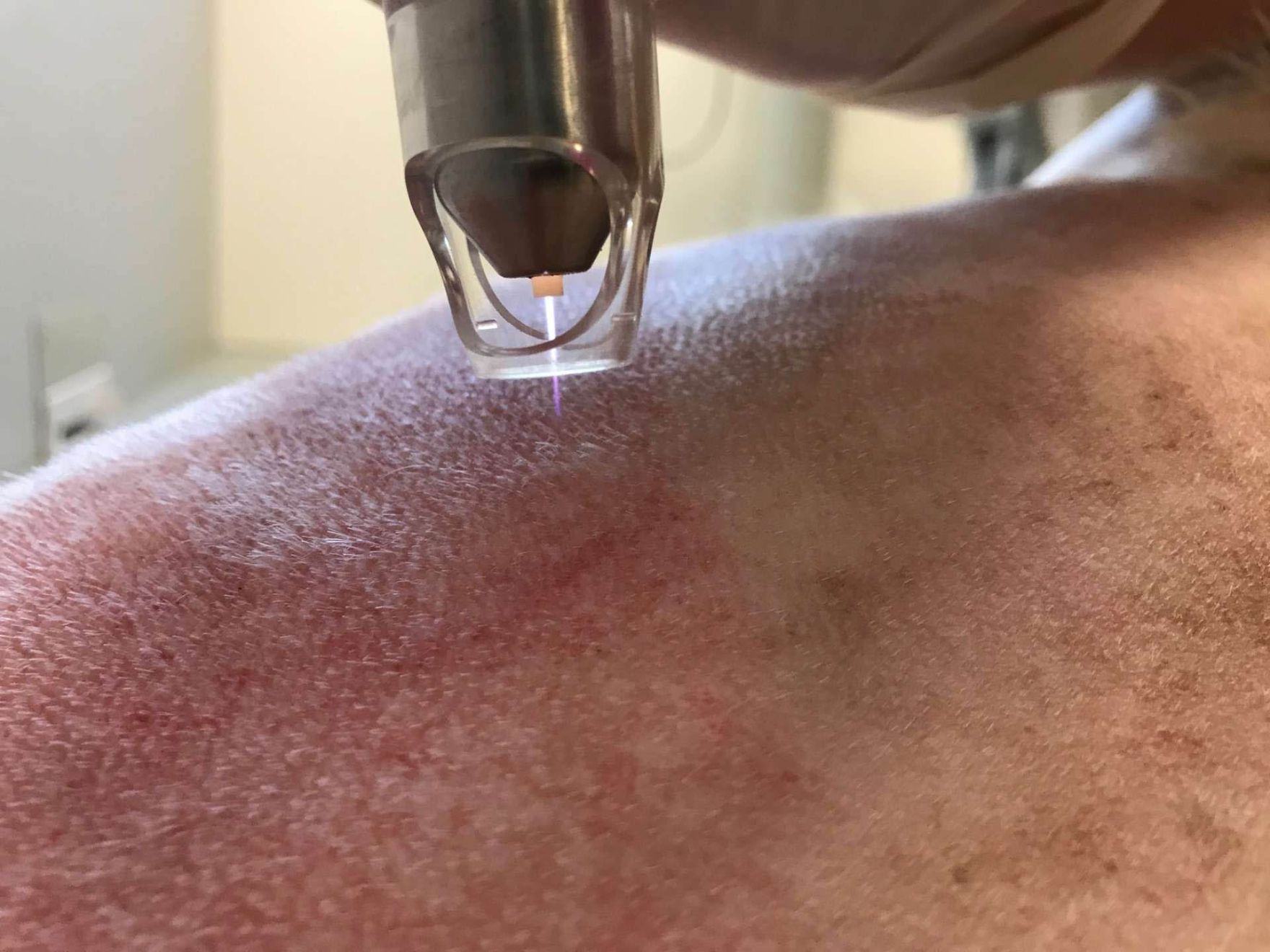
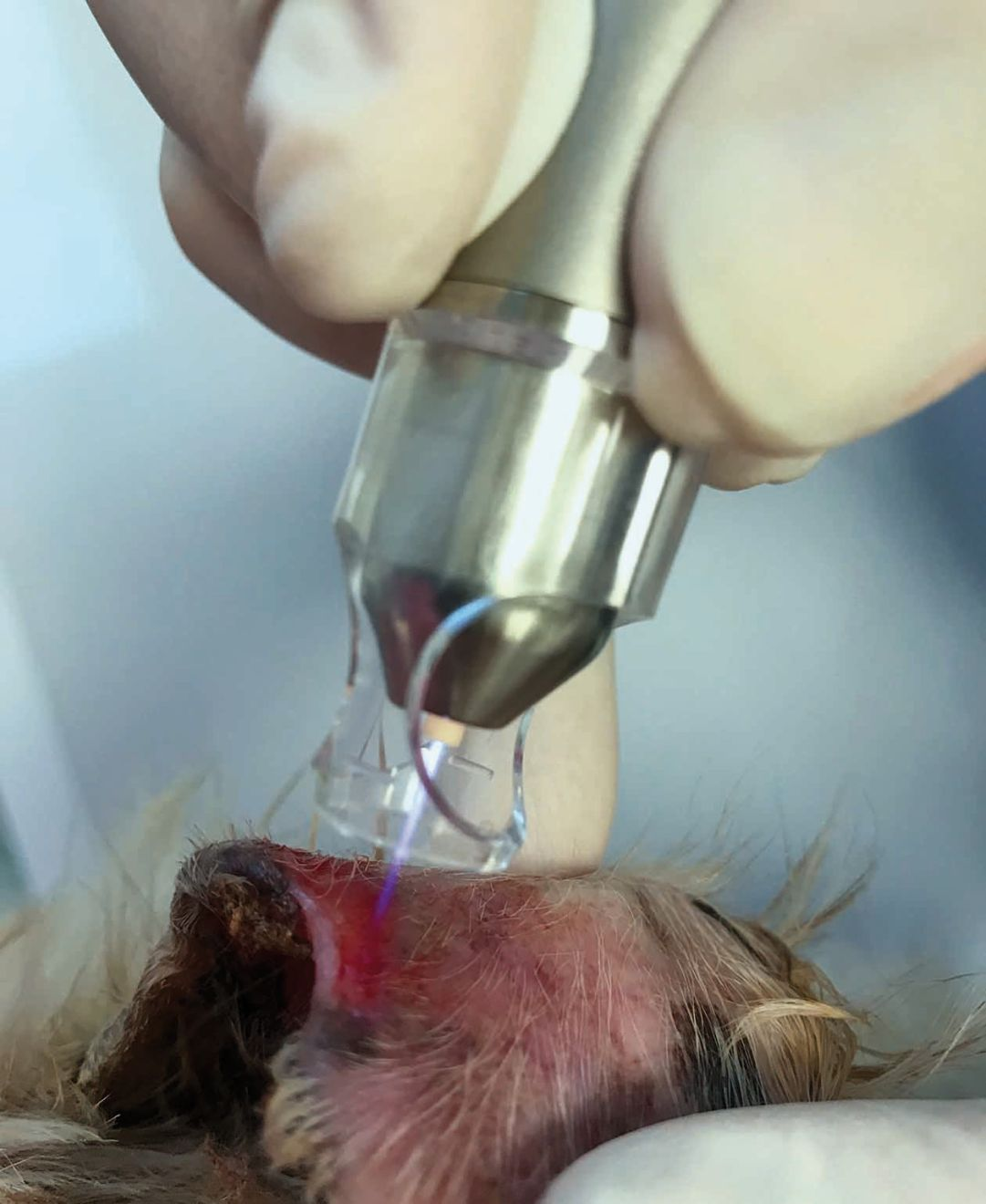
Given the worldwide rising number of drug-resistant bacterial and fungal infections, it is becoming increasingly important to develop alternative treatment options for such infectious pathogens. Progress towards sustainable physical or other methods that can eliminate such problematic agents appears ever more crucial, and Cold Atmospheric Pressure Plasma (CAPP) Therapy is such a procedure, offering proven efficiency in treating antibiotic-resistant bacterial, viral and fungal pathogens [1][2][3][4][5]. The technique also modifies and upregulates numerous factors that promote and accelerate healing, which can especially benefit patients with wound-healing disorders [6][7]. Originally used in human medicine, CAPP is now becoming more widely accepted in veterinary medicine, partly because it is a painless procedure that can be applied without sedation [8], although the current lack of animal studies means that the technique is still relatively unknown. This article provides an insight into the therapy and some practical examples of how it may be used effectively in small animal clinics (Figure 1).
Basic physical principles and mode of action
Plasma is sometimes called the "fourth state of matter" (after solid, liquid and gas), and is essentially a gaseous mixture of free ions or electrons within a confined space [9]. Natural examples of the phenomenon include lightning and solar flares, but plasma can also be produced artificially at room temperature and under normal atmospheric pressure, for example by accelerating charged gaseous particles along an electromagnetic field. CAPP therapy has been shown to positively influence tissue healing by hastening the healing process and reducing scar formation. How it produces its effects is as yet not fully understood, although it is known that CAPP strongly influences certain growth factors (e.g., FGF-7 for keratinocyte migration), anti-inflammatory signaling molecules (e.g., TGF-β) and inflammatory signaling pathways [6][7][8][9][10][11].
CAPP was initially reserved for wound disinfection and to promote healing in human burn victims, but is now indicated for use in many other situations. It is effective in treating both simple and complicated skin infections (especially where multi-resistant pathogens are present) as well as for various other wound-healing disorders, such as those that can develop secondary to diabetes [1][3][6]. The therapy is widely reported to be highly effective in combating bacterial, viral and fungal pathogens, even where there is biofilm formation [2][3][5][9], and its physical mode of action means that any resistance to antibiotics, antimycotics or antivirals is irrelevant. Studies have shown that CAPP has an excellent bacteriostatic effect on methicillin-resistant Staphylococcus aureus spp. (MRSA), S. pseudintermedius (MRSP) and multi-resistant Pseudomonas aeruginosa (MRPA), some of the most common bacterial skin pathogens in veterinary medicine [1][2][3][4].
Device design and application
Currently, there are three basic types of devices available, each with certain advantages and disadvantages. All involve the creation of cold plasma by ionizing a gas into its plasma state, usually either atmospheric air (i.e., oxygen and nitrogen) or an inert gas such as argon.
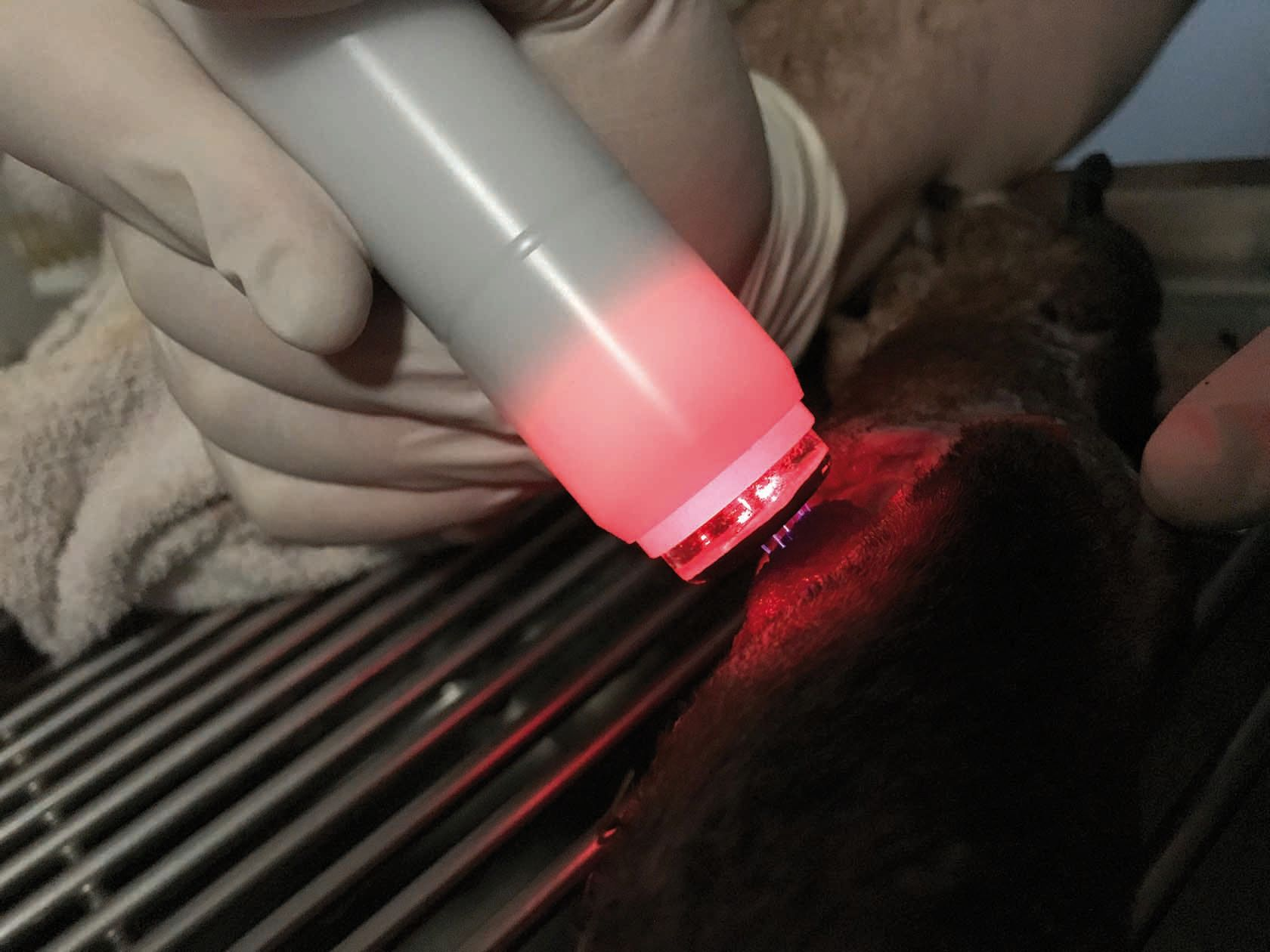
- The simplest and cheapest type (from €2,000) creates an electric charge on the device cathode and uses the skin as the anode, with plasma being generated in the narrow space between the two (Figure 2). The main advantages – other than cost – are the simplicity of use and a comparatively simple design, which allows the device to be battery-powered. Some patients find the noise or the "tingling" sensation, which depends on the intensity of the current, unpleasant.
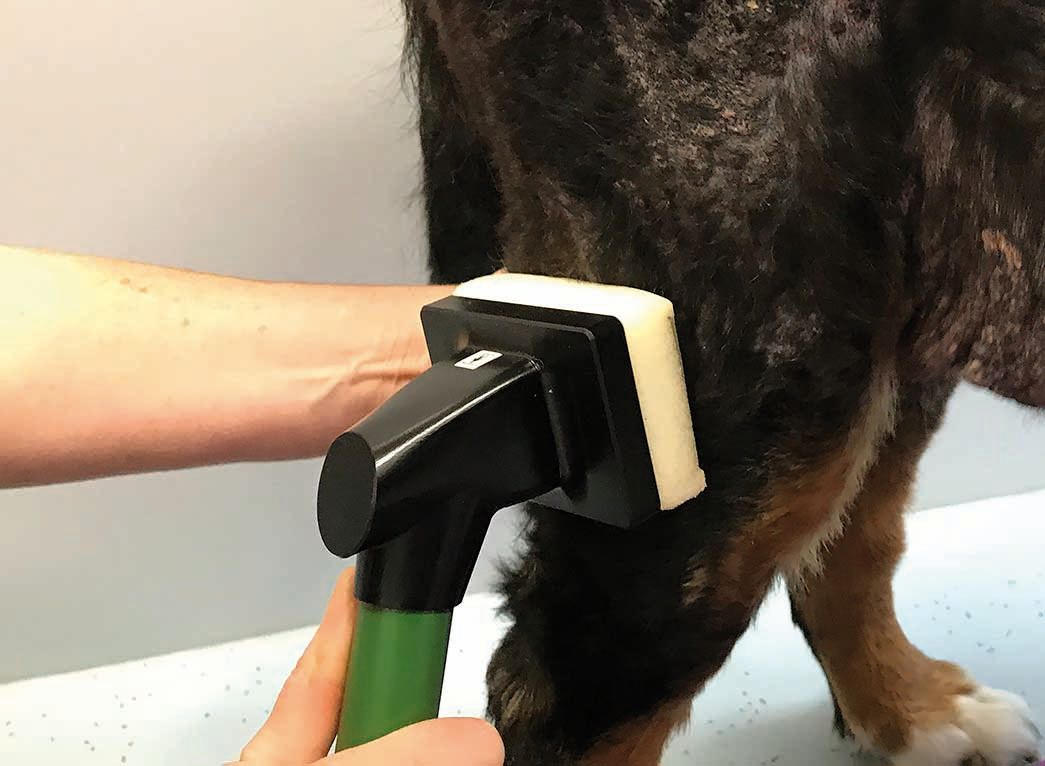
- A second type of device uses an intermediate medium (e.g., foam) placed between the cathode and the skin as an electrical conductor. This lessens or eliminates any tingling sensation (Figure 3), although the direct wound contact can still be perceived as unpleasant by some patients. This method can treat a relatively large surface area and allows efficient use of time if treating larger wounds or big dogs. However, for small patients, smaller wounds, or for skin fold lesions, correct placement of the foam can make application more difficult. In addition, new pads are required for each patient, and although the devices are portable, they require mains power to function.
- A third type of device generates plasma from an inert gas such as argon which is then released at the tip of the treatment pen as a small flame or "jet" (Figure 1). The jet is passed over the skin surface in circular movements, close but not touching the wound itself. This design allows selective “spot” treatments, even in deeper skin folds or wound cavities, and can enable rapid drying of weeping and purulent wounds with very little irritation or noise. The disadvantage lies in the high purchase cost (up to €15,000), the gas consumption, and the significantly limited portability of the device.
Christoph Klinger
All three options are easy to use and can be operated by assistants after a brief instruction period, allowing CAPP therapy to be conveniently integrated into the daily practice routine, either under non-sterile conditions in a consulting room, or in an aseptic operating theatre. Since it is painless the patient rarely requires sedation or anesthesia, although success obviously depends on identifying the root cause of the problem [6][7]. The duration and frequency of application depends partly on the device specification (with the penetration depth varying from nanometers to a few millimeters) and the type, depth and nature of the lesion. Typically, treating an affected area every 2 or 3 days for two weeks, and then decreasing to once weekly, has proven to be a generally effective initial regimen.
To date, side effects of CAPP appear minimal, other than minor skin irritation where there has been prolonged skin contact [8]. Whilst there have been few comparative studies to review the efficacy of the different devices [12], the author believes that patient tolerance and the speed of healing appears to be best with the third design. However, owners have generally been very satisfied with the results from any of the CAPP devices and have been willing to pay the additional costs involved for this therapy.
Possible veterinary applications
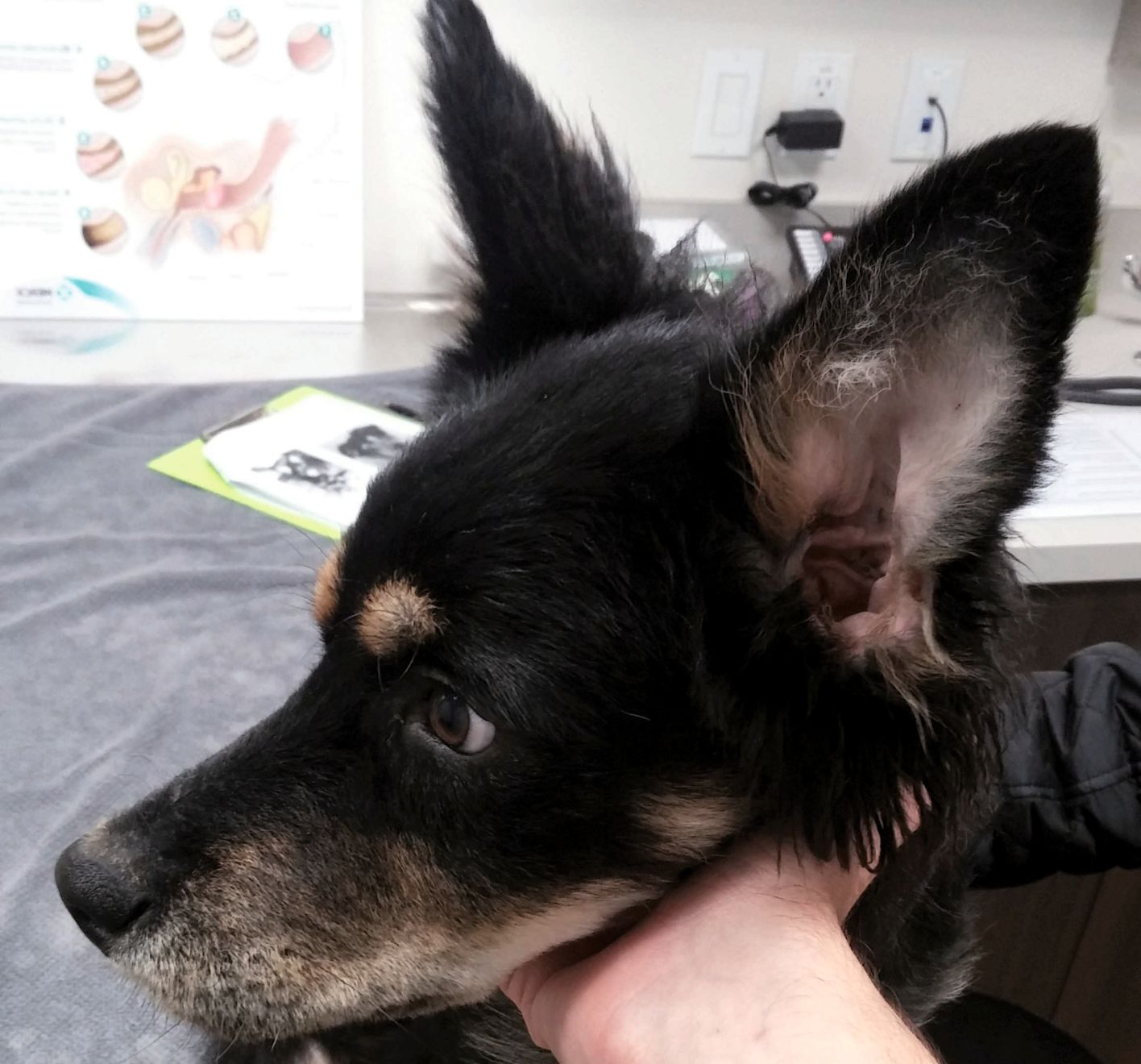
At present all devices are designed primarily for topical use, and the most significant and innovative aspect of CAPP therapy is that it achieves physical disinfection of almost any site that has bacterial, viral or fungal involvement [1][4][5], and is highly effective against both non-resistant and resistant bacterial strains [1][12]. Given its limited tissue penetration, open, shallow wounds appear to be the ideal application for the technique; its beneficial effects in hard-to-reach areas (e.g., interdigital clefts, body cavities, auditory canals and deep wounds) are more questionable. At least for now, much depends on the device design and the type of lesion treated, so some CAPP devices may be well-suited for treating pododermatitis or otitis externa, whilst others are more suited for use on large surface areas.Other than the disinfection aspect, other benefits are also becoming apparent for this therapy. For example, it is increasingly being used in vasculitis-related lesions such as those seen in leishmaniasis. Figure 4 shows an affected Labrador that had previously received a four-week course of meglumine antimoniate, miltefosine and allopurinol. While both the clinical parameters and antibody titers responded well to treatment, the associated vasculitis led to gradual worsening of ulceration of the inner aspect of the pinnae, with exposure of the underlying cartilage. This was brought into almost complete remission within 28 days using CAPP therapy, although signs reappeared six months later due to the associated leishmaniasis.
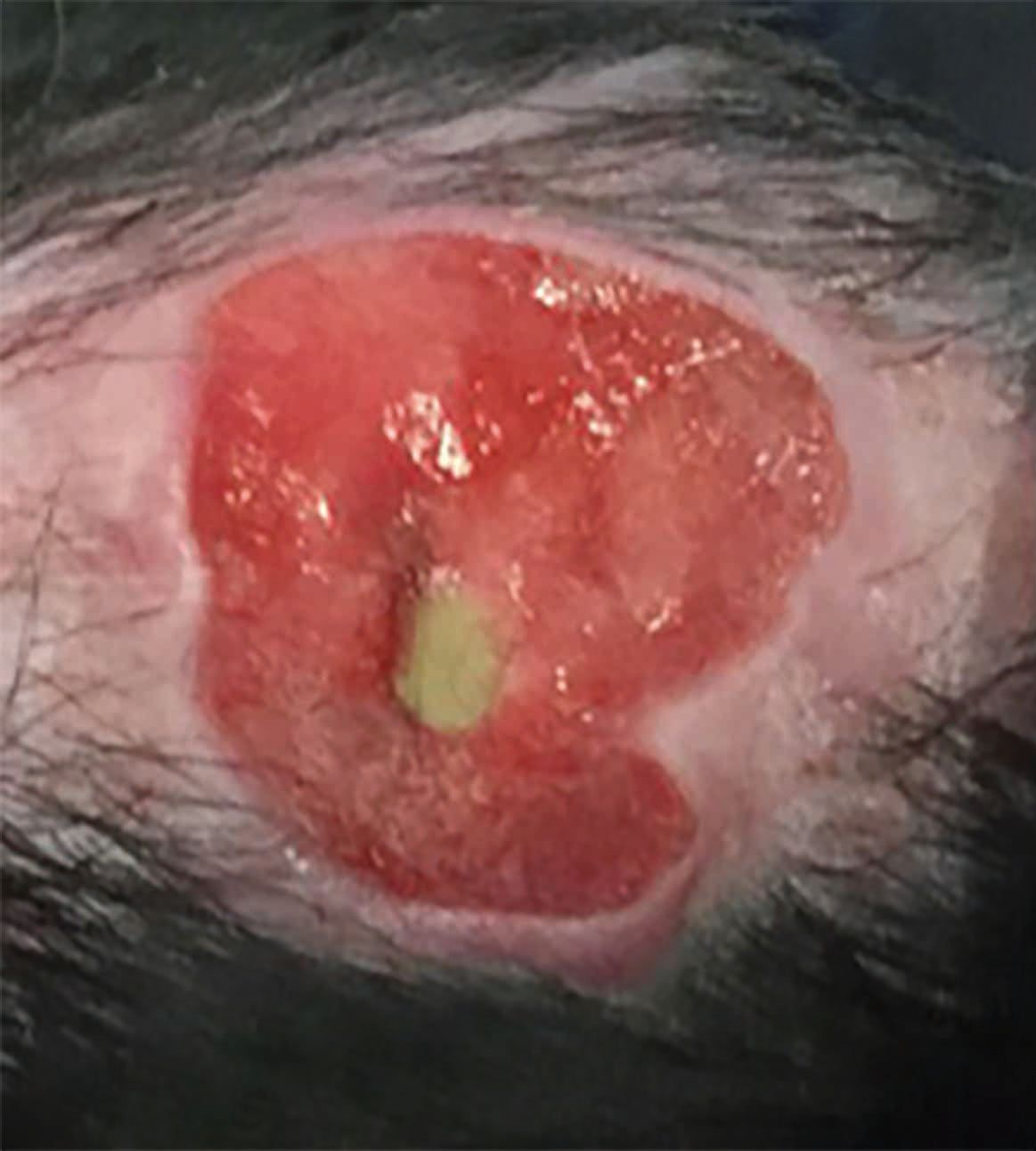
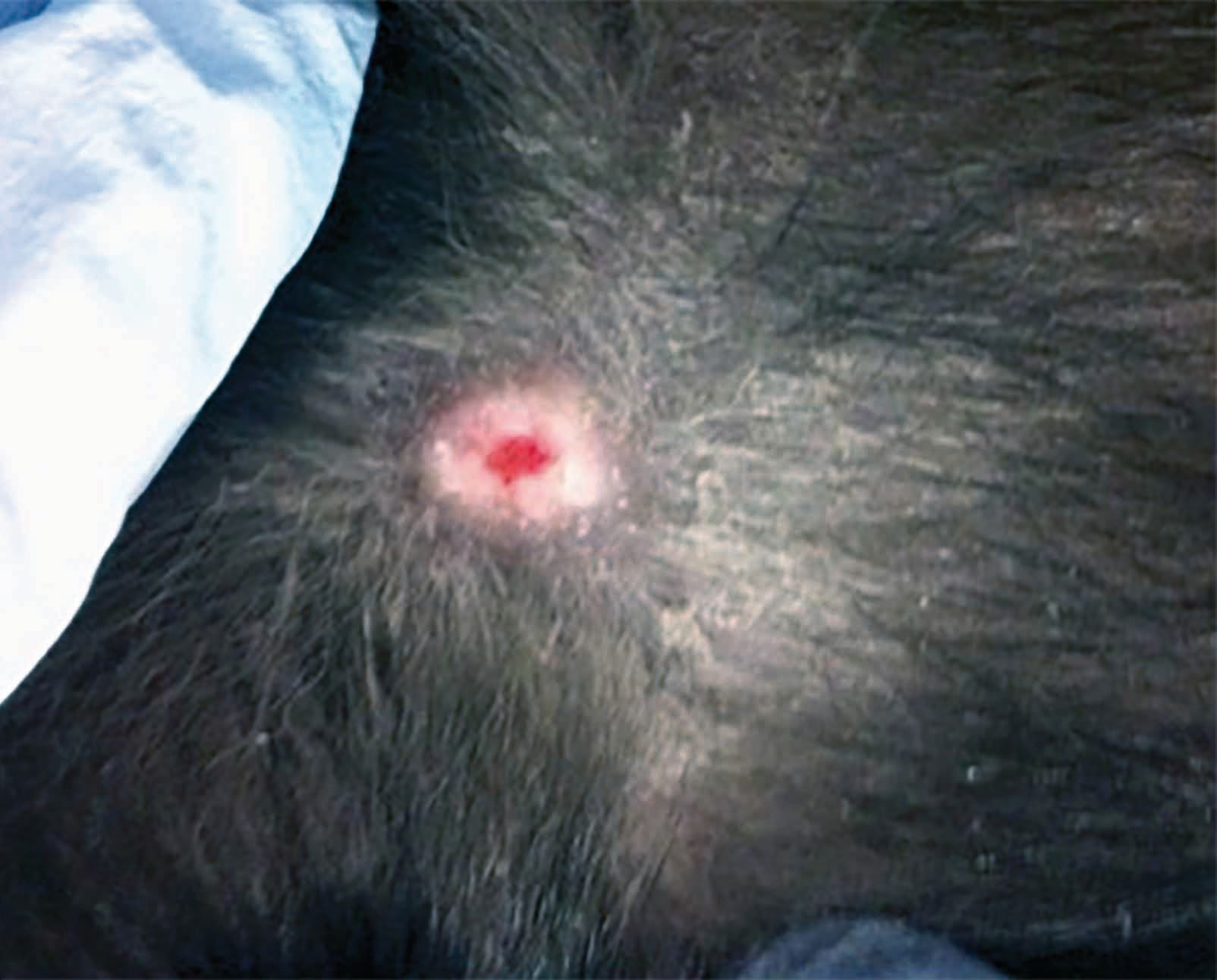
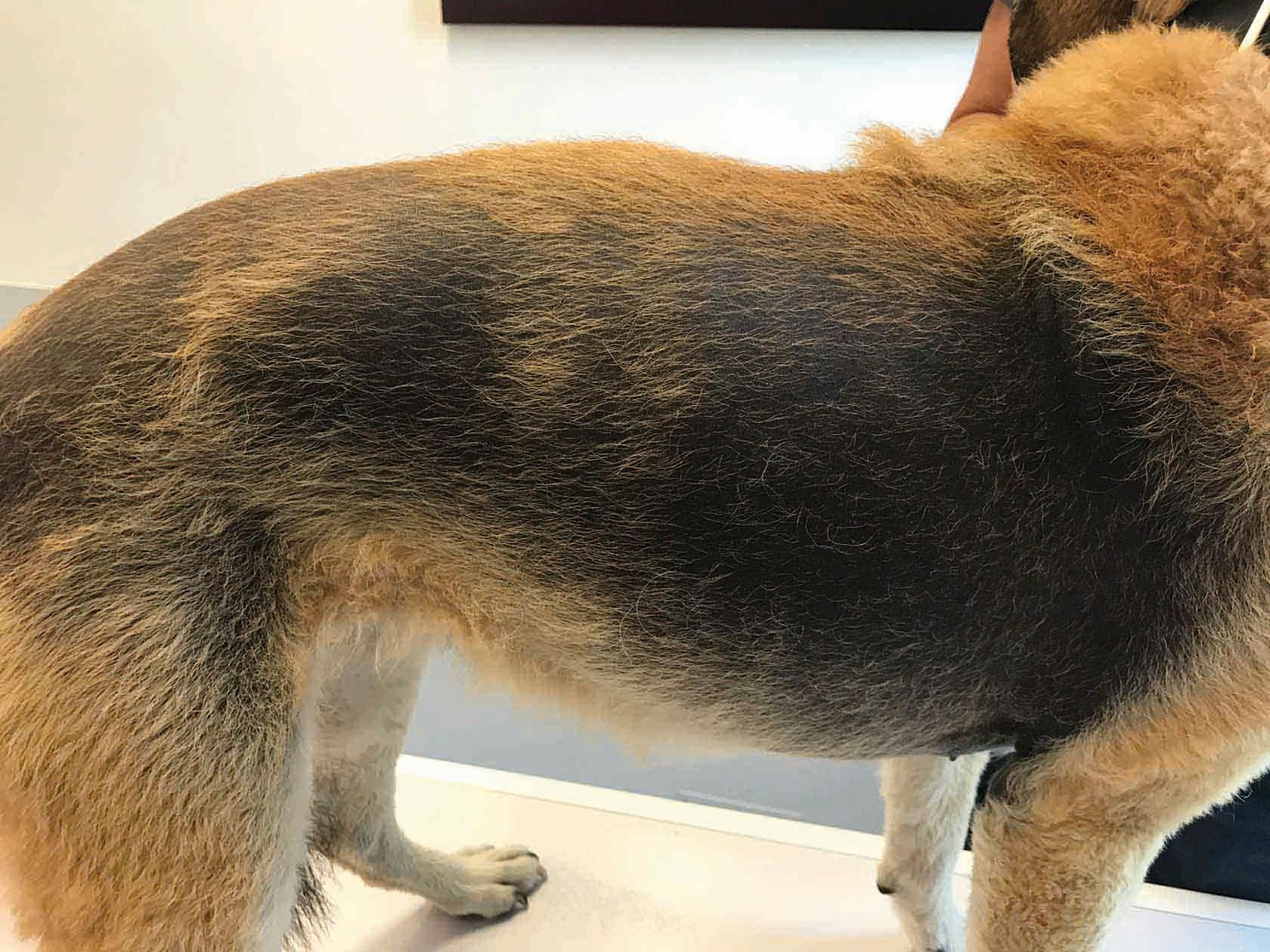
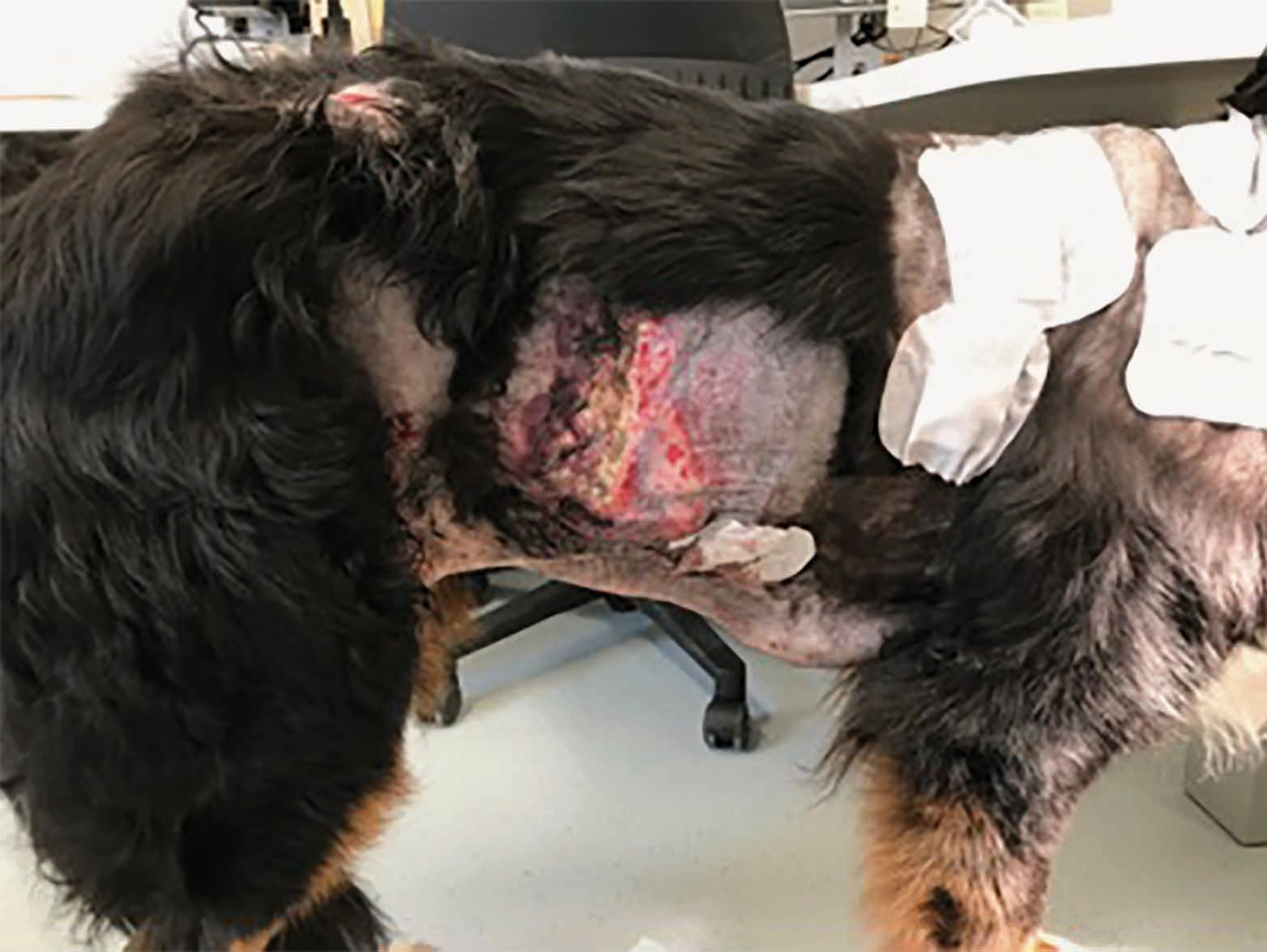
Importantly, although CAPP will promote wound healing, recurrence is likely to occur within a short time frame if the underlying disease is not treated as well, for example with immunosuppressed patients [13]. Figure 5 shows an eight-year-old Bernese Mountain dog that developed septicemia secondary to a necrotizing foreign body ileus. The dog had previously been diagnosed with hypoadrenocorticism and had been treated with deoxycorticosterone for several years. As a result of the septicemia the patient developed necrotizing fasciitis at multiple sites on the flanks, which had shown limited response to triple antibiotic treatment, presumably due to the corticosteroid therapy. However, CAPP application produced a rapid improvement over a three-week period, and although the dog developed additional areas of fasciitis during this time, these were also successfully treated, and all lesions were resolving after 24 days of treatment, with no further recurrence.
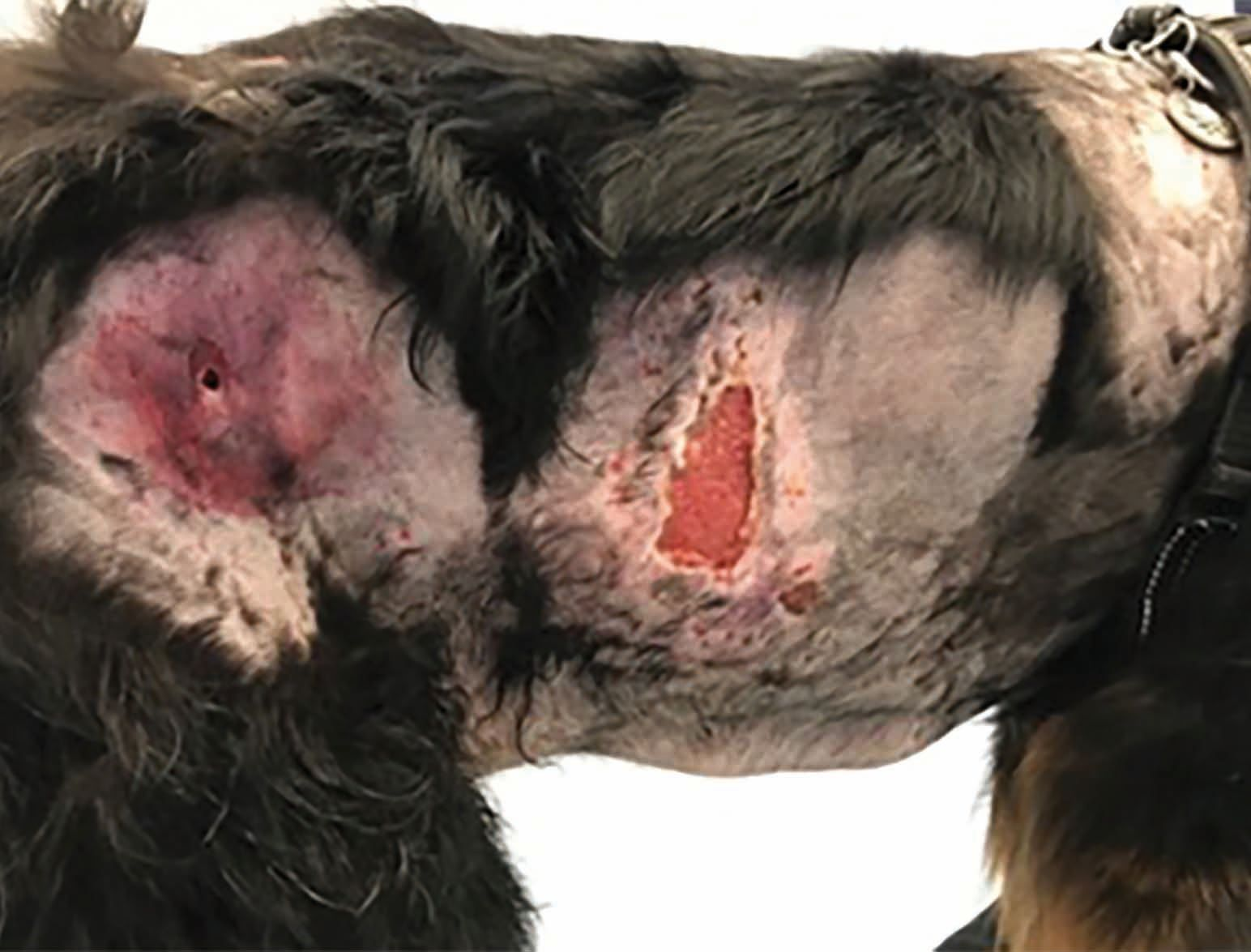
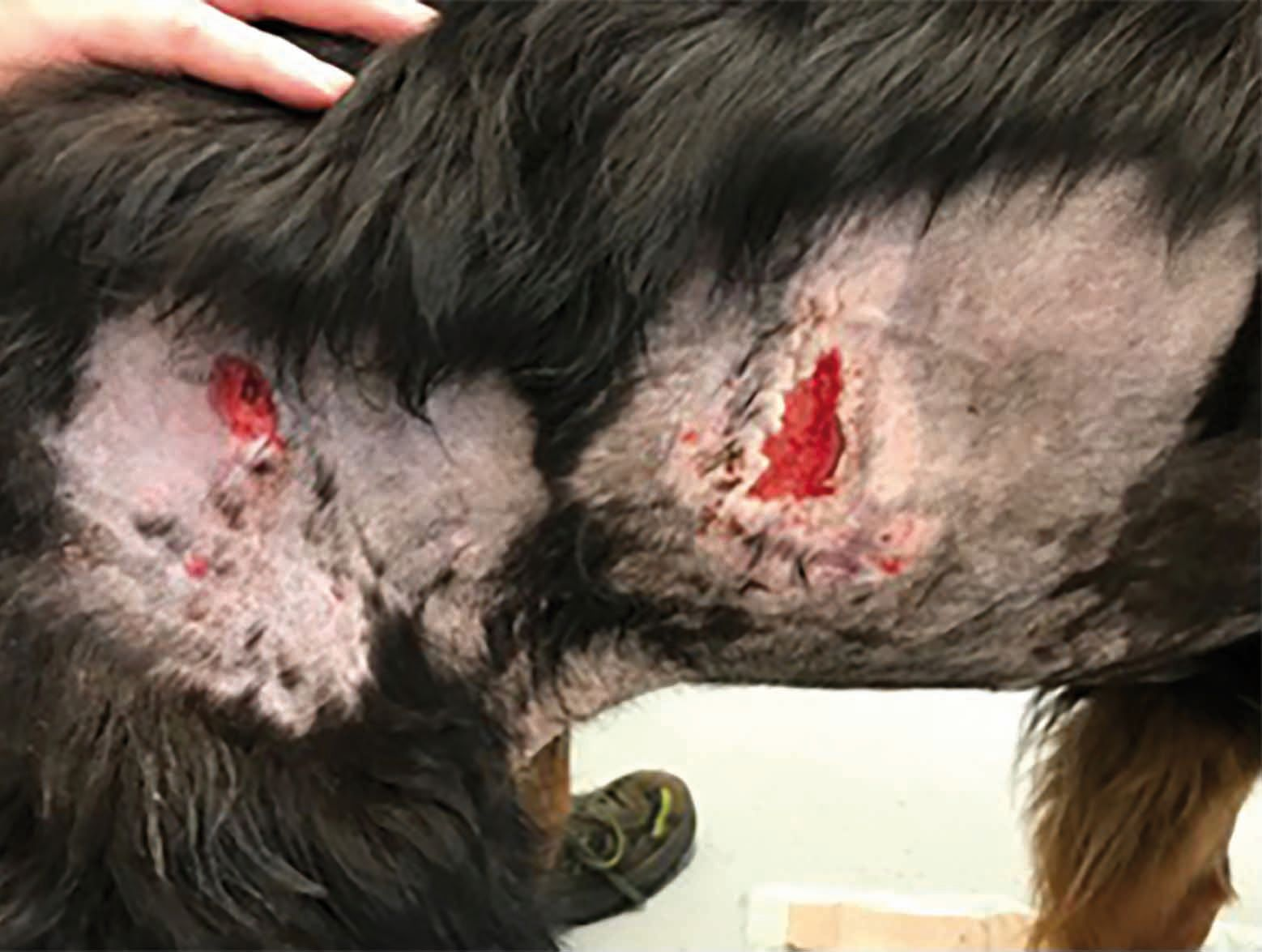
CAPP has also been shown to be beneficial in patients with various immune-mediated diseases. This is demonstrated in Figure 6 which shows a three-year-old German Shepherd dog with perianal fistulae. The dog was treated with a combination of CAPP, cyclosporine and topical tacrolimus, but for comparison only the left half of the anus was treated with CAPP, with the right side covered by paper during the cold plasma sessions. After 18 days it was evident that whilst medication was effective, the left side showed significantly faster wound closure and less scarring than the other side.
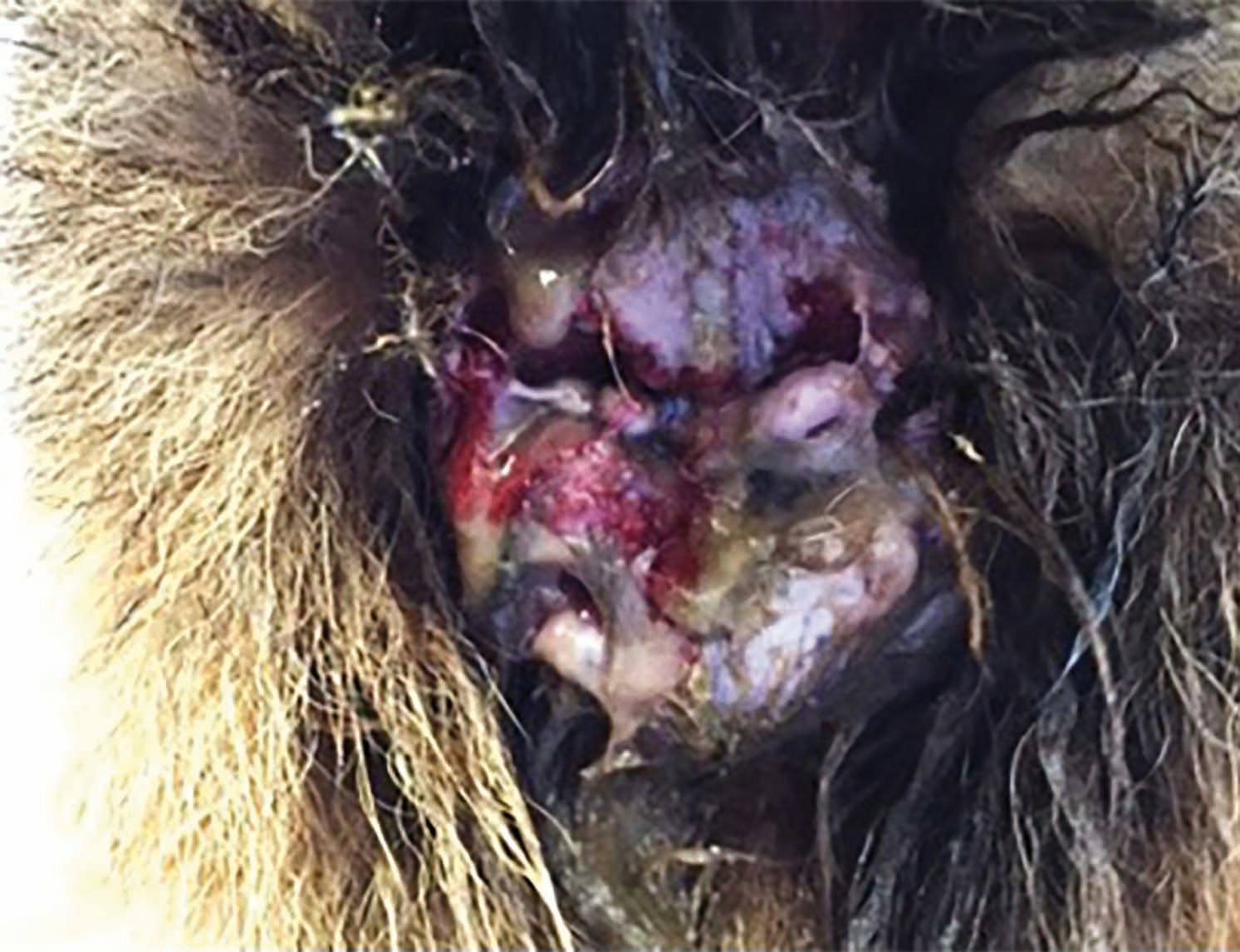
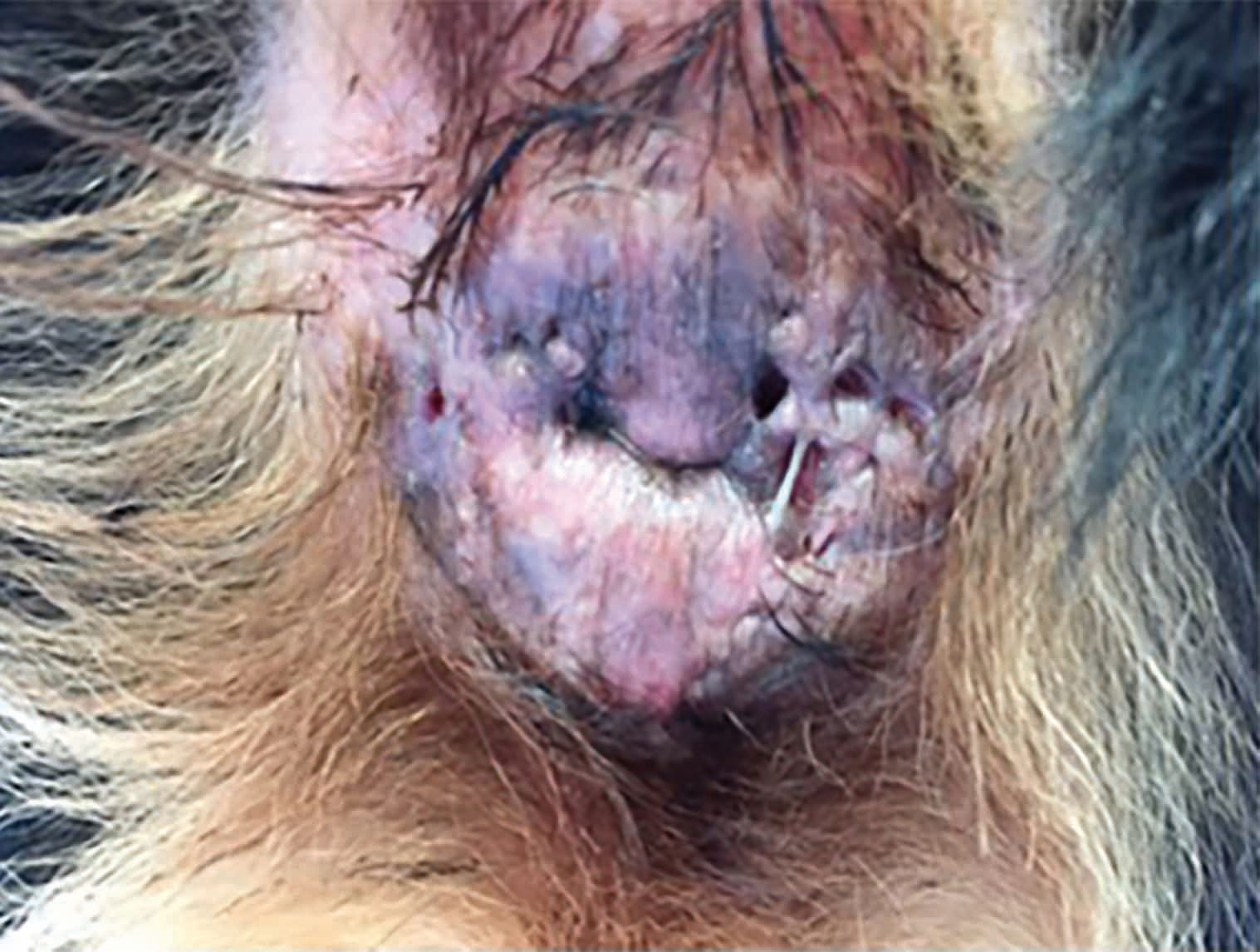
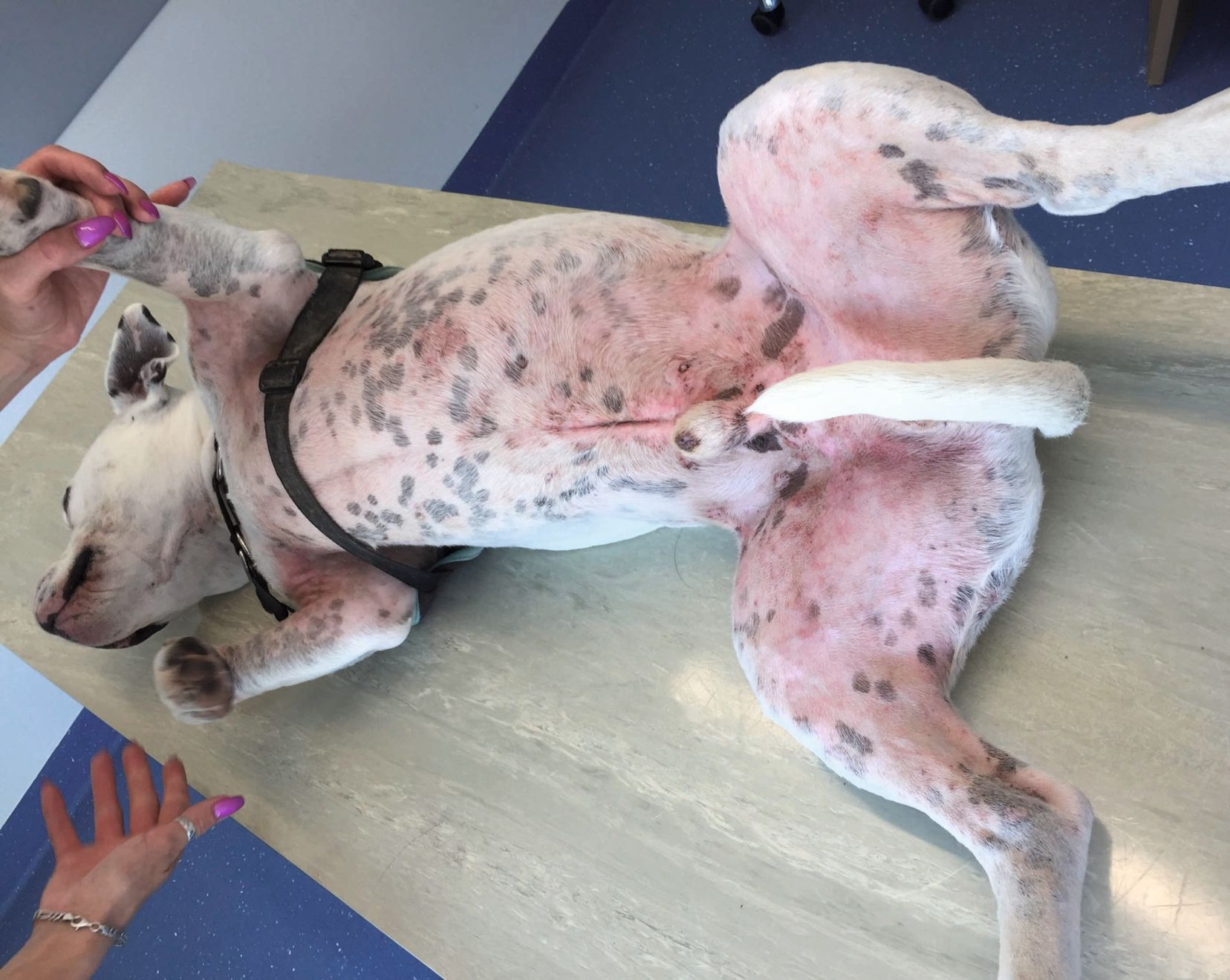
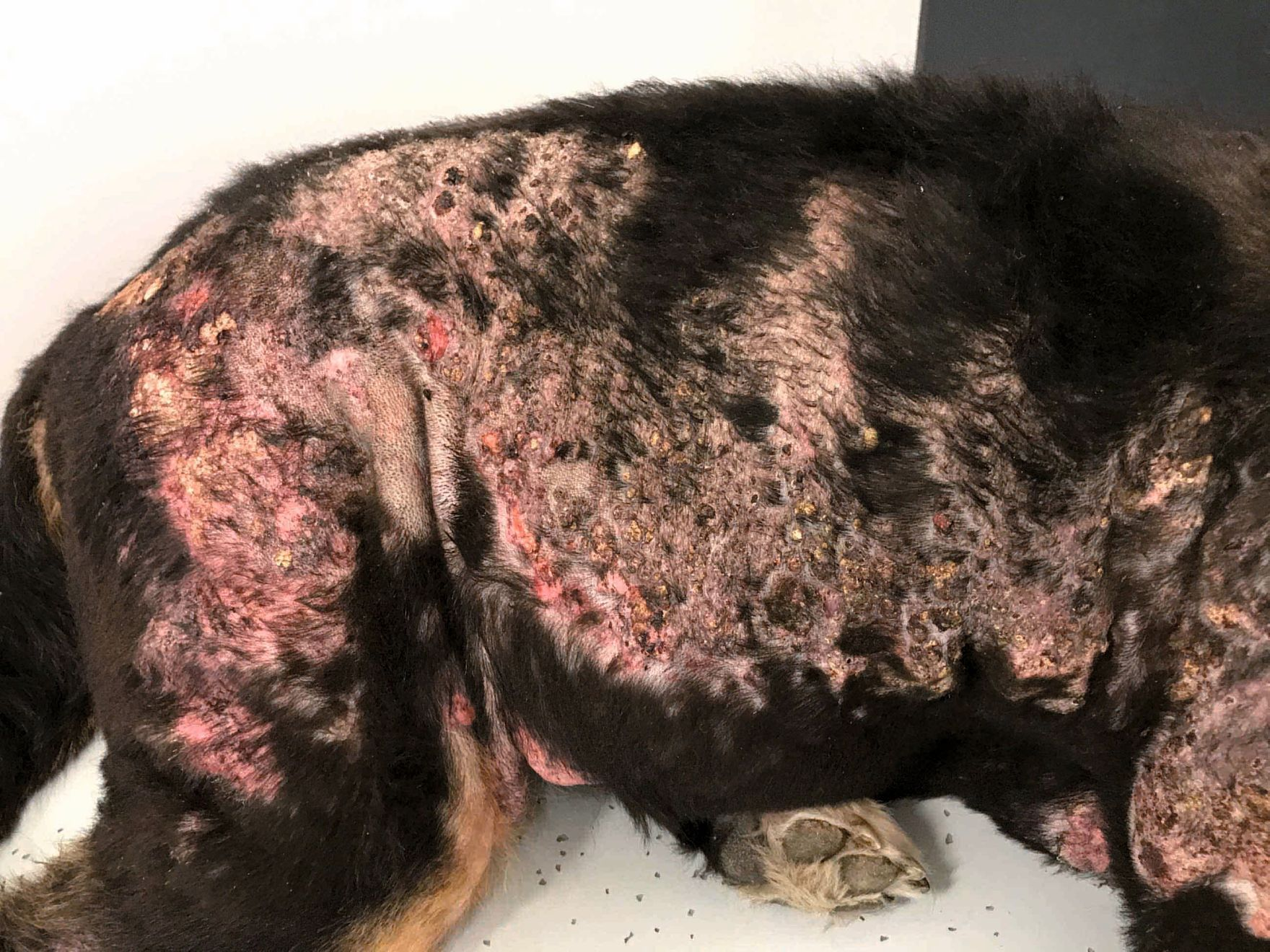
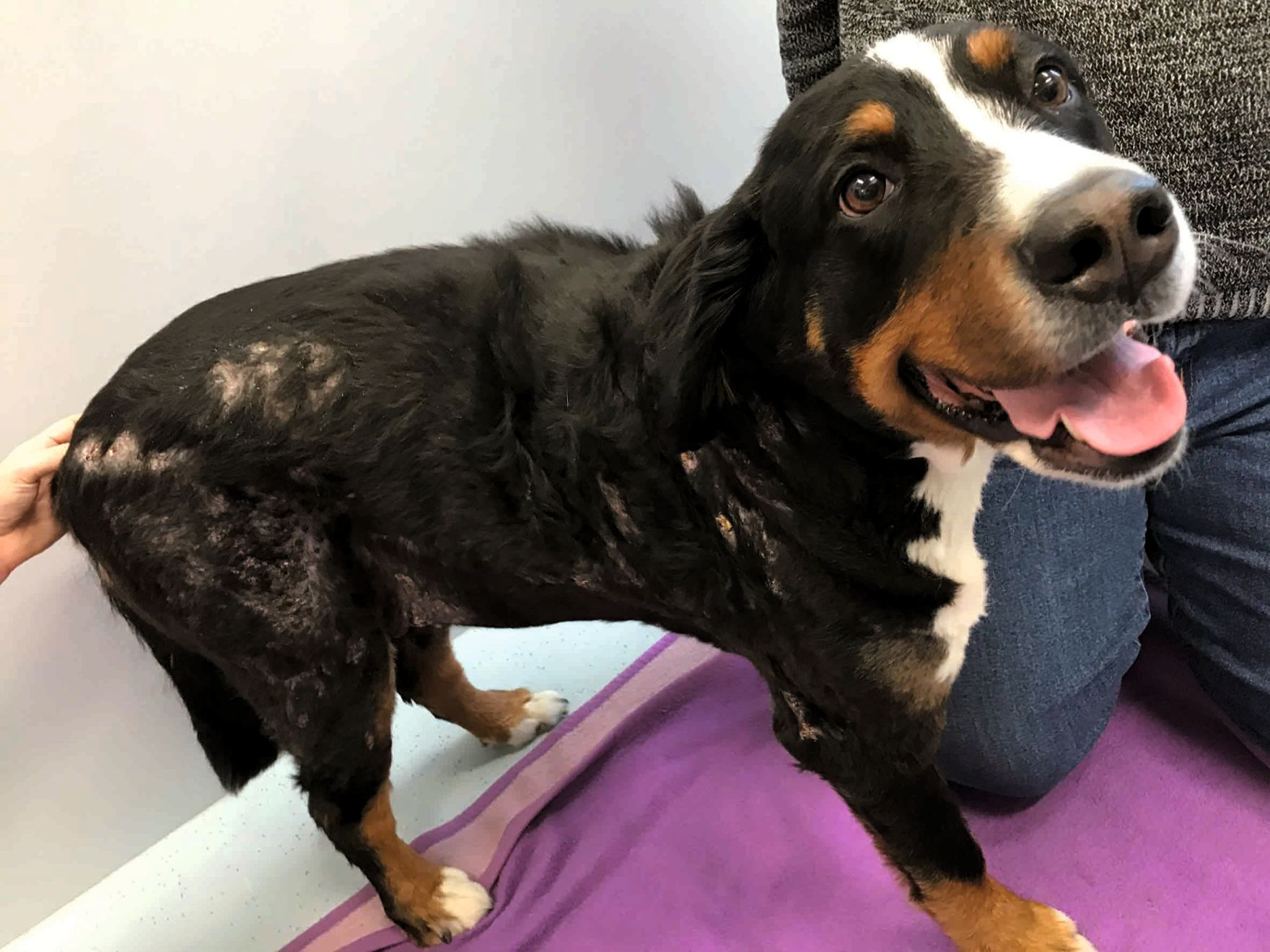
Another current focus is the beneficial effect of cold plasma therapy on fibrosis [11]. Figure 7 shows a four-year-old Bernese Mountain dog with severe calcinosis cutis secondary to iatrogenic hyperadrenocorticism, the result of treatment for pemphigus foliaceus. Apart from local anti-inflammatory therapy (e.g., DMSO) and switching from glucocorticoids to alternative drugs such as cyclosporine to control the pemphigus, treatment options in such cases are very limited. Cutaneous calcinosis can often lead to significant scarring, but here CAPP treatment resulted in a very rapid response, with 90% of the skin fully healed and without scarring within four weeks, and with subsequent complete hair regrowth.
Finally, for now, CAPP may have an application in other areas. Research is already being conducted into options that will allow the technique to be applied internally via minimally invasive interventions (e.g., by endoscopy) [14]. Its use in surgical cases is still controversial; it may be beneficial for postoperative wound disinfection and scar prevention, but uncertainty exists regarding its use intraoperatively; although it may reduce the bacterial load from surgery, the prolonged operating time it necessitates may allow fluid loss from tissues, leading to poorer healing [11][15].
Conclusion
Cold atmospheric pressure plasma (CAPP) therapy is a simple physical treatment that can significantly hasten healing for many skin wounds. It efficiently eliminates infectious agents regardless of any drug resistance, and accelerates patient recovery, especially where there are factors that could slow the healing process. Because application is quick, painless and uncomplicated, it is also well-suited for everyday use in the practice, although a definitive objective assessment of its efficacy is still lacking. Importantly, CAPP therapy should not replace careful diagnosis by the veterinarian, as it cannot cure any underlying disease.
Christoph J. Klinger
Dr. med. vet.
Dr. Klinger graduated from Munich in 2011 and worked in small animal practice before undertaking a year-long internship at Ludwig Maximilian University. He then completed an ECVD- and ACVD-approved residency in Munich and was awarded his doctoral thesis in 2016.
References
- Daeschlein G, Napp M, von Podewils S, et al. In vitro susceptibility of multidrug resistant skin and wound pathogens against low temperature atmospheric pressure plasma jet (APPJ) and dielectric barrier discharge plasma (DBD). Plasma Process Polym 2014;11(2):175-183.
- Hfner A, Steffen H, Holtfreter B, et al. Effects of non-thermal atmospheric pressure plasma and sodium hypochlorite solution on Enterococcus faecalis biofilm: an investigation in extracted teeth. Plasma Process Polym 2017;14(3):1600064.
- Koban I, Matthes R, Hbner N-O, et al. Treatment of Candida albicans biofilms with low-temperature plasma induced by dielectric barrier discharge and atmospheric pressure plasma jet. NJP 2010;12(7):073039.
- Kondeti VSK, Phan CQ, Wende K, et al. Long-lived and short-lived reactive species produced by a cold atmospheric pressure plasma jet for the inactivation of Pseudomonas aeruginosa and Staphylococcus aureus. Free Radic Biol Med 2018;124:275-287.
- Sun P, Sun Y, Wu H, et al. Atmospheric pressure cold plasma as an antifungal therapy. Appl Phys Lett 2011;98(2):021501.
- Hasse S, Duong Tran T, Hahn O, et al. Induction of proliferation of basal epidermal keratinocytes by cold atmospheric pressure plasma. Clin Exp Dermatol 2016;41(2):202-209.
- Schmidt A, Bekeschus S, Wende K, et al. A cold plasma jet accelerates wound healing in a murine model of full-thickness skin wounds. Exp Dermatol 2017;26(2):156-162.
- Daeschlein G, Scholz S, Ahmed R, et al. Cold plasma is well-tolerated and does not disturb skin barrier or reduce skin moisture. J Dtsch Dermatol Ges 2012;10(7):509-515.
- Filipić A, Gutierrez-Aguirre I, Primc G, et al. Cold plasma, a new hope in the field of virus inactivation. Trends Biotechnol 2020;38(11):1278-1291.
- Haertel B, Eiden K, Deuter A, et al. Differential effect of non-thermal atmospheric-pressure plasma on angiogenesis. Lett Appl NanoBioScience 2014;3(2):159-166.
- Metelmann HR, Vu TT, Do HT, et al. Scar formation of laser skin lesions after cold atmospheric pressure plasma (CAP) treatment: a clinical long-term observation. Clin Plasma Med 2013;1(1):30-35.
- Arndt S, Schmidt A, Karrer S, et al. Comparing two different plasma devices kINPen and Adtec SteriPlas regarding their molecular and cellular effects on wound healing. Clin Plasma Med 2018;9(10):1016.
- Classen J, Dengler B, Klinger CJ, et al. Cutaneous alternariosis in an immunocompromised dog successfully treated with cold plasma and cessation of immunosuppressive medication. Tierrztl Prax K 2017;45(05):337-343.
- Winter J, Nishime TM, Bansemer R, et al. Enhanced atmospheric pressure plasma jet setup for endoscopic applications. J Phys Appl Phys 2018;52(2):024005.
- Nolff MC, Winter S, Reese S, et al. Comparison of polyhexanide, cold atmospheric plasma and saline in the treatment of canine bite wounds. J Small Anim Pract 2019;60(6):348-355.